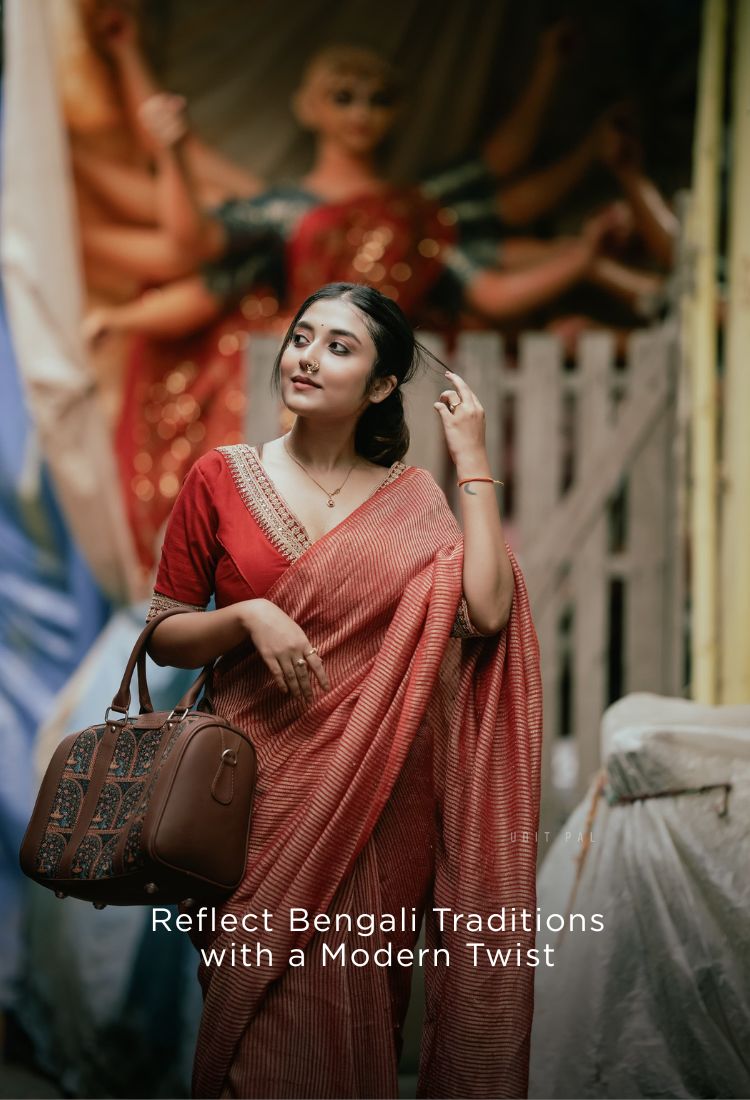
Navratri is a festival that celebrates devotion, culture, vibrant colours, and the joy of dressing up. Every day of the nine-day celebration calls for a new look, which often leads to excessive shopping, waste, and environmental strain. But what if we told you that you can celebrate in style, honour tradition, and still stay eco-conscious?
Building a sustainable Navratri wardrobe is not only possible—it’s fashionable, creative, and empowering. By following the mantra Rewear, Restyle, Repeat, you can embrace mindful fashion choices that reduce waste, save money, and showcase your personal style.
Let’s explore how you can create a sustainable, elegant, and exciting wardrobe this Navratri.
You may also like: Durga Puja Saree Guide: From Ashtami Anjali to Sindoor Khela
Why Sustainability Matters During Navratri
Festivals bring joy but also a large footprint—from fabric waste to fast fashion cycles. Sustainable fashion is about slowing that pace down and making thoughtful choices. Navratri outfits often feature vibrant fabrics, intricate embroidery, and luxurious textures—many of which are handcrafted and need care to last longer.
Sustainability during festivals:
✔ Reduces waste by reusing existing garments
✔ Supports artisans by choosing handcrafted and ethically made products
✔ Encourages creativity through restyling and mixing pieces
✔ Helps you save money while looking fashionable
✔ Promotes a conscious lifestyle that aligns with spiritual values
Celebrating Navratri should be joyous and stress-free—and sustainability helps you enjoy the festival while being kind to the planet.
Rewear: Giving New Life to Old Pieces
1. Mix and Match Sarees
A simple cotton or silk saree can be paired with different blouses, accessories, or draping styles. Try:
Pairing a white saree with bold red, yellow, or green blouses on different days
Using contrast borders or embroidered edges to create new looks
Draping sarees differently—seedha pallu, Bengali style, or lehenga style—to transform the look

2. Upcycle Dupattas
Dupattas can be stitched into skirts, belts, or even worn as head wraps, transforming them into statement pieces.

3. Combine Western and Ethnic Wear
A printed kurta can be paired with jeans one day and a lehenga skirt another. Similarly, palazzo pants with ethnic tops offer comfort and style.

4. Care for Fabrics
Proper storage, folding, and airing your garments after use ensures they remain vibrant and wearable for years.
Restyle: Transform, Don’t Toss
Restyling is about experimenting with textures, layering, and accessorizing to give old outfits a fresh appearance.
1. Experiment with Accessories
Statement jewelry like oxidized earrings or bangles can breathe new life into simple outfits
Waist belts, brooches, or hair accessories add personality to traditional wear
2. Layering Techniques
Use jackets, capes, or scarves over sarees or dresses
Mix prints—floral with stripes, or block prints with solids—for a modern twist
3. Play with Textures
Pair heavier fabrics like silk with soft cotton or linen for contrast
Add fabric flowers, hand embroidery, or beadwork for elegance
4. Coordinate Colours
Follow Navratri colour themes but explore shades and textures within each colour family to avoid monotony.
Repeat: Smart Styling Over Quantity
The secret to a sustainable wardrobe is repeating pieces with flair instead of constantly buying new ones.
1. Plan Ahead
Map out which pieces you’ll wear each day to create a balanced wardrobe plan
Identify key outfits and accessories that can be mixed in multiple ways
2. Keep Essentials
Build a capsule wardrobe with 5–7 versatile pieces like:
A printed saree
A solid-colour lehenga
A neutral dupatta
Statement jewellery
A comfortable pair of footwear
3. Invest in Quality
Choose pieces made from natural fabrics like cotton, khadi, or silk that last longer and are easier to care for.
Sustainable Shopping: What to Look For
If you need to buy something new, consider these tips:
✔ Shop from local artisans and cooperatives
✔ Choose handloom fabrics and natural dyes
✔ Avoid synthetic blends that wear out quickly
✔ Select timeless patterns rather than fast trends
✔ Prioritize comfort and breathability for long celebrations
Care and Maintenance Tips
To make your outfits last longer:
✔ Air garments after every use to avoid moisture build-up
✔ Wash delicate fabrics by hand or with mild detergents
✔ Store items with lavender sachets to avoid pests
✔ Repair tears or loose threads promptly instead of discarding
✔ Use eco-friendly dry cleaning services when required
Q&A Section: Sustainable Navratri Wardrobe
Q1: How can I create multiple looks with fewer outfits?
A: Focus on layering, accessorizing, and draping. For example, one saree paired with different blouses, jewelry, and hairstyles can give you distinct looks for multiple days.
Q2: What fabrics are best for a sustainable wardrobe?
A: Natural fabrics like cotton, khadi, silk, linen, and wool are breathable, long-lasting, and biodegradable. These fabrics also tend to age gracefully with care.
Q3: How do I maintain festive outfits after wearing them?
A: After wearing, air them out in a shaded area, fold them properly, and store with pest repellents. For stains, spot clean immediately and avoid harsh detergents.
Q4: Can I buy new pieces without compromising sustainability?
A: Yes! Opt for handcrafted, organic, or recycled fabric pieces. Local markets and artisan cooperatives are great sources for sustainable festive wear.
Q5: How do I balance tradition with sustainable fashion?
A: Respect traditional attire while choosing versatile and durable pieces. Pairing classic fabrics like silk with minimalistic accessories can create a contemporary yet culturally rich look.
Q6: How can I involve friends and family in sustainable celebrations?
A: Encourage swap meets, group styling sessions, or themed outfit challenges that promote sharing and creativity while minimizing waste.