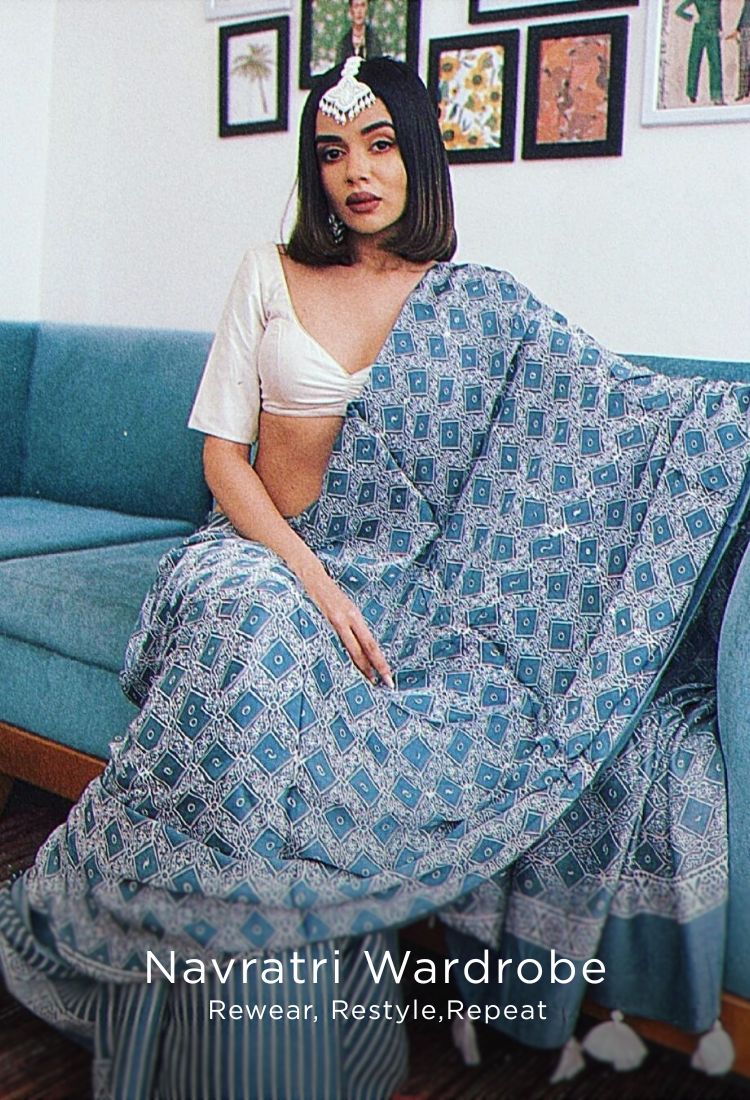
Durga Puja is more than just a festival in Bengal — it’s an emotion, a celebration of culture, artistry, and togetherness. For many, dressing up for the Puja is an essential part of the festivities, and nothing showcases tradition and elegance better than a beautifully draped saree. However, modern sensibilities and fashion trends have seamlessly merged with age-old craftsmanship, making it possible to embrace heritage while staying chic and contemporary.
In this blog, we explore how sarees for Durga Puja are evolving — blending traditional Bengali designs with modern fabrics, cuts, and styling choices. Whether you're attending the Ashtami Anjali, visiting pandals with friends, or participating in Sindoor Khela, these sarees reflect both culture and creativity.
You may also like: Mix & Match Blouses for a Navratri-Winning Saree Look
The Cultural Significance of Sarees During Durga Puja
Sarees are not just an outfit — they are a narrative of Bengal’s history and artistry. White and red sarees, in particular, hold symbolic meaning during Durga Puja. The red represents fertility, power, and the energy of Goddess Durga, while white signifies purity and peace.
Handloom sarees such as Garad, Dhakai Jamdani, Tangail, and Baluchari have been worn for generations during this festive period. Each weave and motif tells a story — from floral patterns inspired by nature to intricate geometric designs passed down by artisans.
Today, these traditional patterns are being recreated in lighter fabrics and paired with contemporary blouses, accessories, and footwear, making them versatile for both festive and post-festival wear.
Traditional Sarees With a Modern Touch
Here’s how designers and fashion enthusiasts are blending tradition with modernity:
Dhakai Jamdani – Lightweight Luxury
The Dhakai Jamdani saree, known for its airy texture and delicate motifs, has become a go-to for modern fashion lovers. Designers are experimenting by:
- Using pastel colors like powder blue, mint green, and soft peach instead of the classic red and white.
- Pairing the saree with sleeveless blouses, off-shoulder tops, or structured corset-style blouses.
- Styling it with minimal jewelry and block heels for a contemporary look.

Baluchari – Storytelling on Silk
Baluchari sarees traditionally feature mythological scenes woven into silk fabric. Modern adaptations include:
- Using lighter silk blends to make them easier to carry.
- Combining bold borders with subtle body patterns.
- Pairing with modern belts or waist chains for a chic silhouette.
Garad Cotton – Everyday Elegance
Garad cotton sarees are known for their simplicity and elegance. Modern variations include:
- Printed motifs alongside handwoven textures.
- Pairing with quirky contemporary blouses in neon or jewel tones.
- Styling with sneakers or ethnic-inspired flats instead of traditional sandals.
Red and White Sarees – The Iconic Look with a Twist
The red-and-white combination is quintessentially Bengali during Durga Puja. Designers today are:
- Using red borders with ombre effects instead of solid red.
- Incorporating subtle golden threads for a festive shimmer.
- Replacing the traditional cotton with linen or georgette for lighter draping.

Choosing the Right Saree for Every Puja Ritual
Ashtami Anjali
A simple yet graceful saree is perfect for offering prayers. Lightweight cotton or Dhakai Jamdani in soft colors helps you stay comfortable and elegant.
Pandal Hopping
For exploring multiple pandals, go for sarees that are breathable and easy to drape. Printed Garad or Tangail sarees paired with trendy blouses and block heels make for a practical yet stylish look.
Sindoor Khela
Bold red or deep maroon shades with heavier borders reflect the festive spirit of this ritual. Pair it with gold-toned jewelry and traditional footwear for a perfect finishing touch.
Family Gatherings & Feasts
For dinners and indoor celebrations, silk blends or Baluchari sarees with statement blouses bring the wow factor while staying festive.
Modern Accessories That Complement Traditional Sarees
- Statement Earrings: Large jhumkas, oxidized silver, or pearl drops add elegance without overpowering the saree.
- Belts: Leather or embroidered belts give structure and modern flair.
- Footwear: Kolhapuris, embroidered flats, or even block heels make draping easier and add sophistication.
- Bags: Potli bags, fabric clutches, or boho sling bags complete the look without clashing with the saree’s texture.
- Hairstyles: Open waves, sleek buns, or braided styles enhance the saree’s grace.
Sustainability Matters
Many artisans craft these sarees by hand, preserving age-old techniques. Supporting handloom products helps empower local communities and promotes sustainable fashion. When buying, look for:
- Natural dyes and eco-friendly fabrics.
- Certifications or labels ensuring fair wages.
- Artisans’ cooperatives and rural craft initiatives.
FAQs – Sarees for Durga Puja
Q1. Which sarees are most suitable for Durga Puja rituals?
A: Lightweight cotton, Dhakai Jamdani, or Garad sarees in white, red, or pastel tones are ideal for rituals like Anjali, while silk blends and heavier sarees work well for evening gatherings and Sindoor Khela.
Q2. Can I wear modern blouses with traditional sarees?
A: Absolutely! Pairing traditional sarees with structured blouses, off-shoulder styles, or contemporary cuts creates a fresh look while keeping the cultural essence intact.
Q3. How can I make my saree look more festive without going overboard?
A: Add subtle golden accents, statement jewelry, or embroidered footwear. Minimal makeup and soft waves in your hair also enhance elegance without overshadowing the saree.
Q4. Are these sarees expensive?
A: Handloom sarees vary in price depending on fabric, weave, and craftsmanship. Many affordable options are available through artisan cooperatives, especially when you avoid mass-produced designs.
Q5. How do I care for handwoven sarees?
A: Dry clean or hand wash gently with mild detergent. Store in a cool, dry place away from direct sunlight, and wrap them in muslin cloth to prevent color fading.