


Shop All Sarees
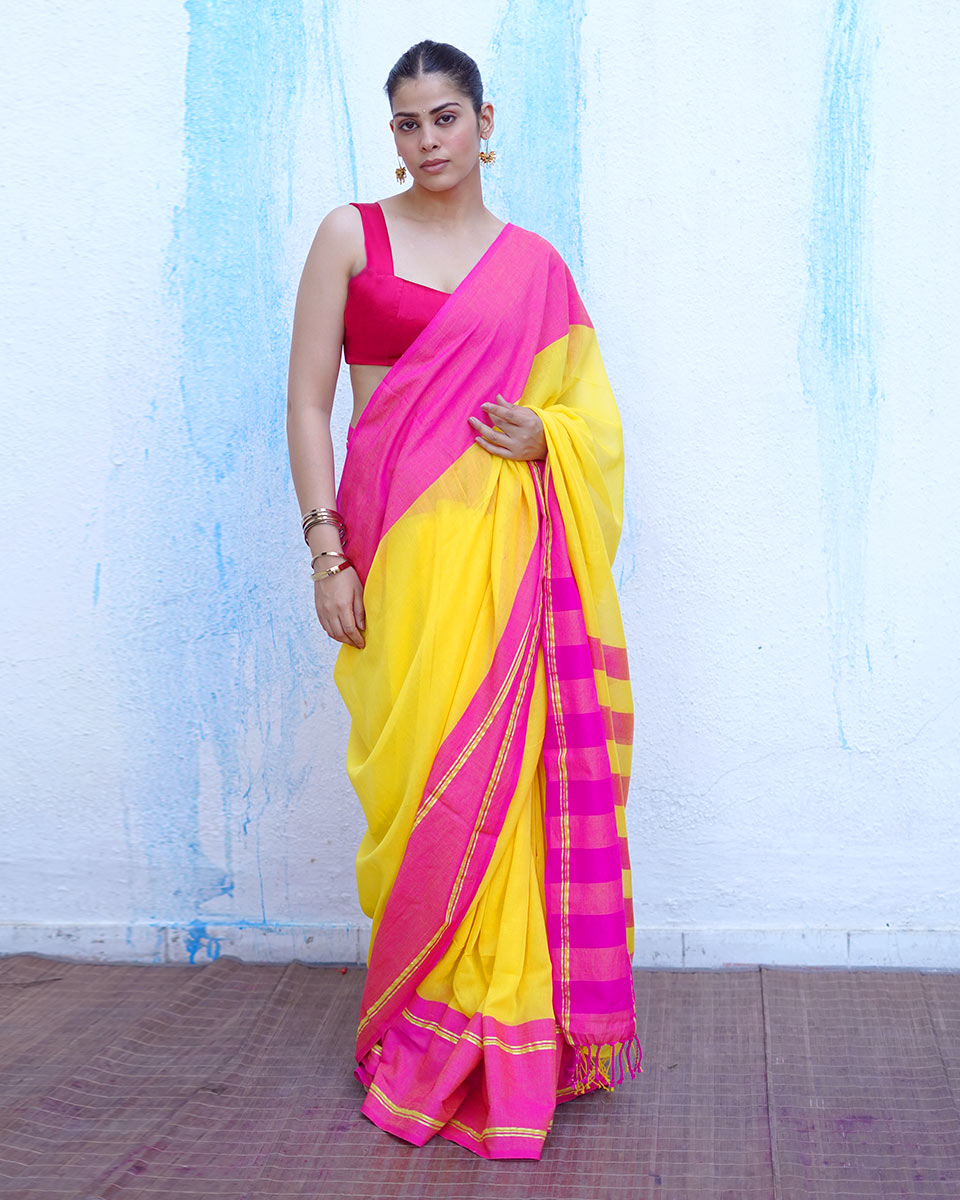
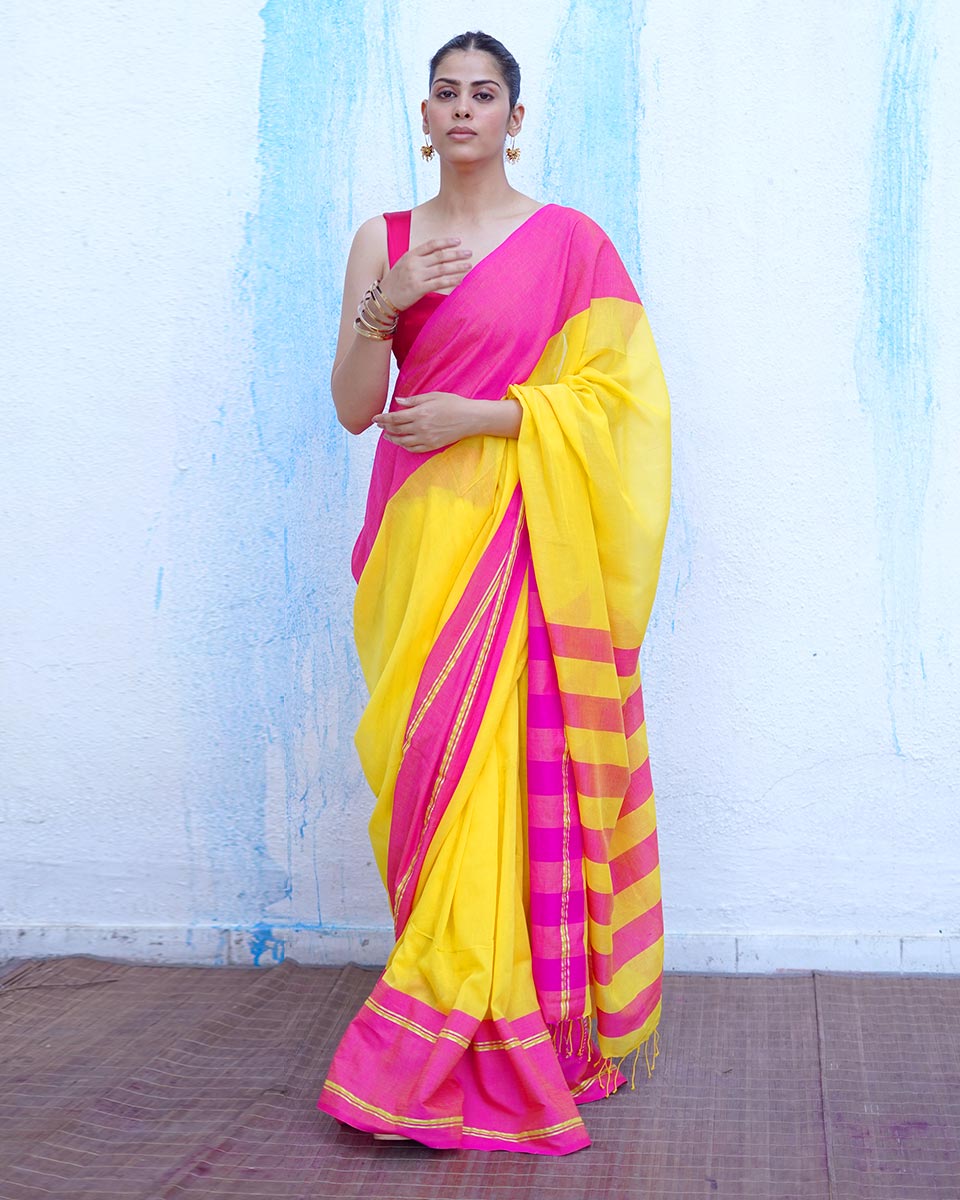
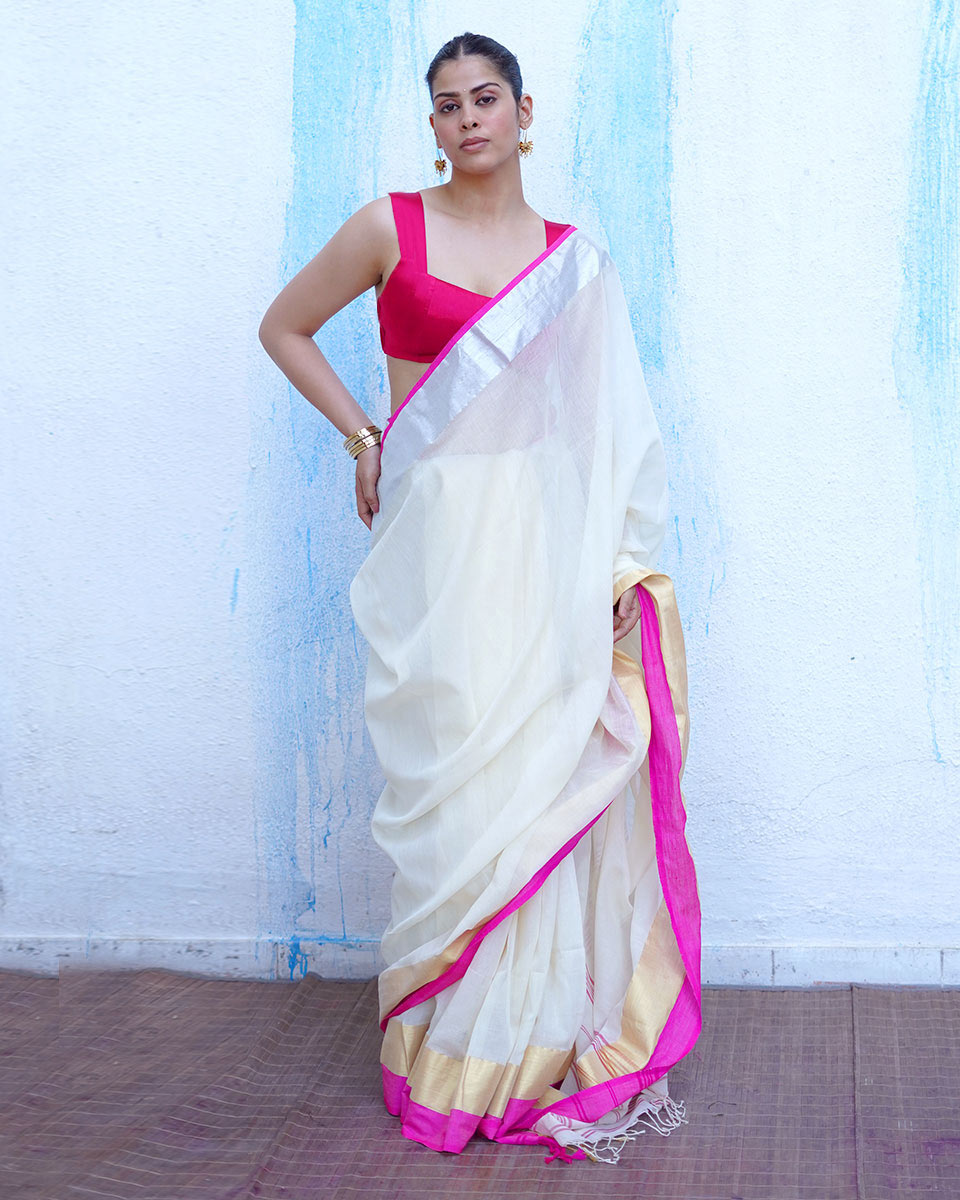
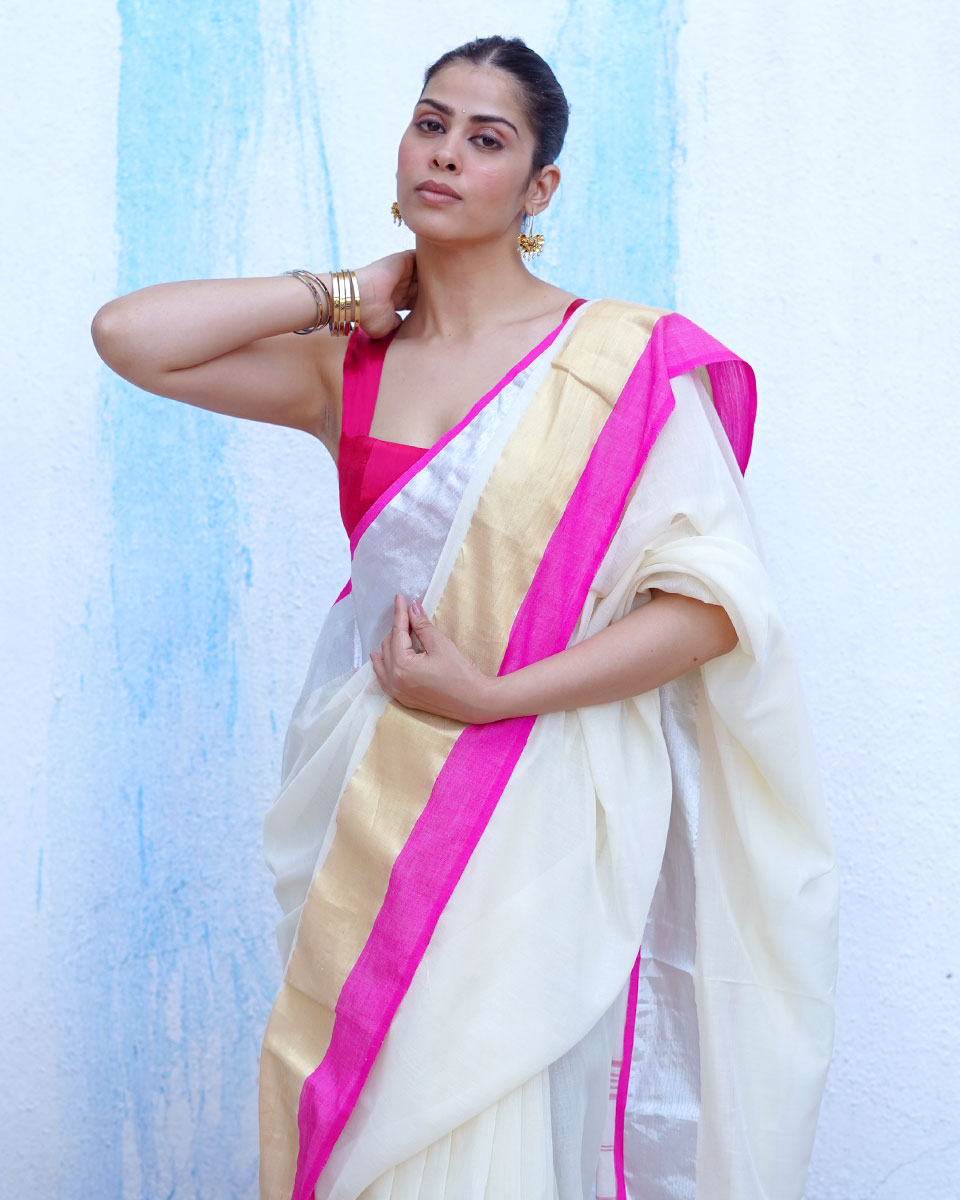

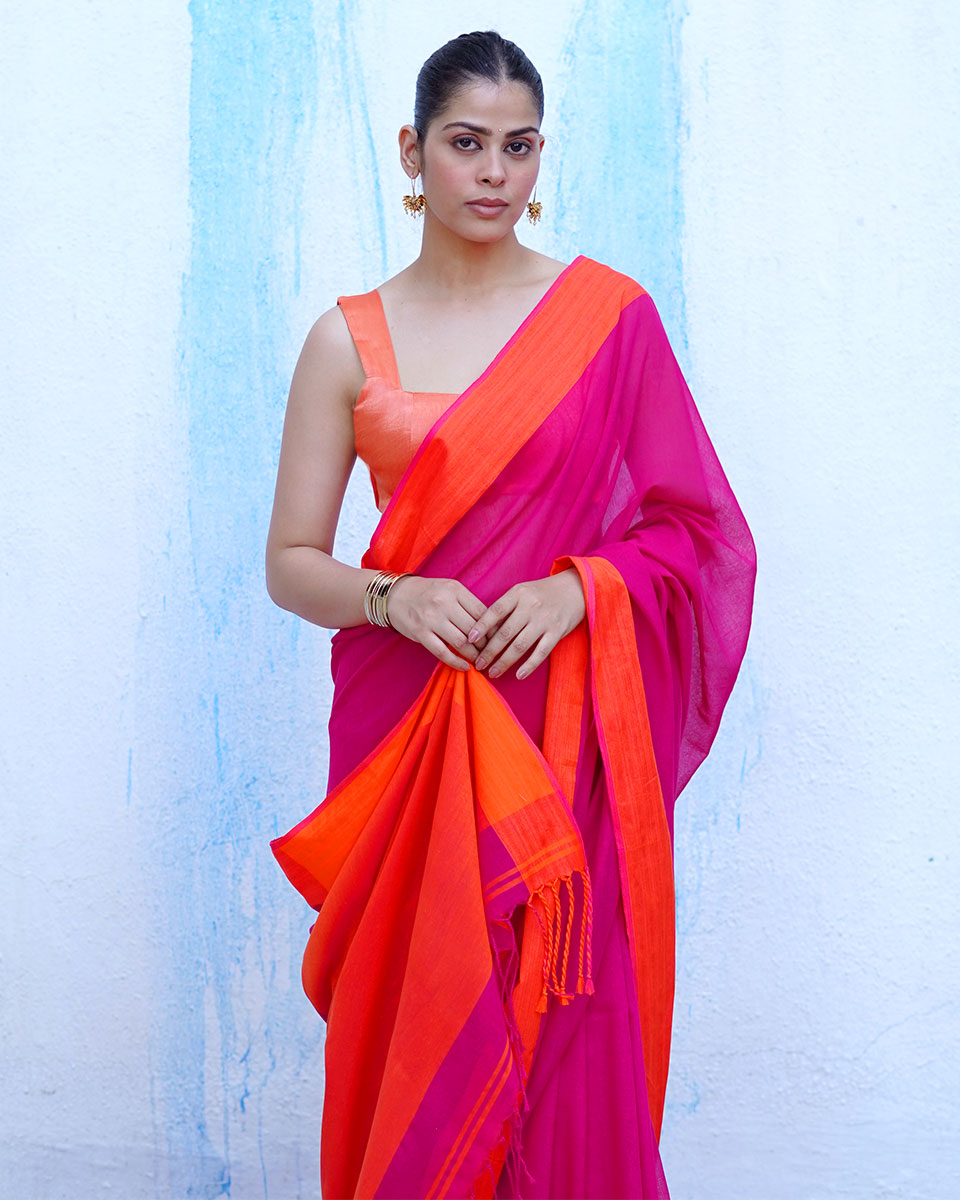
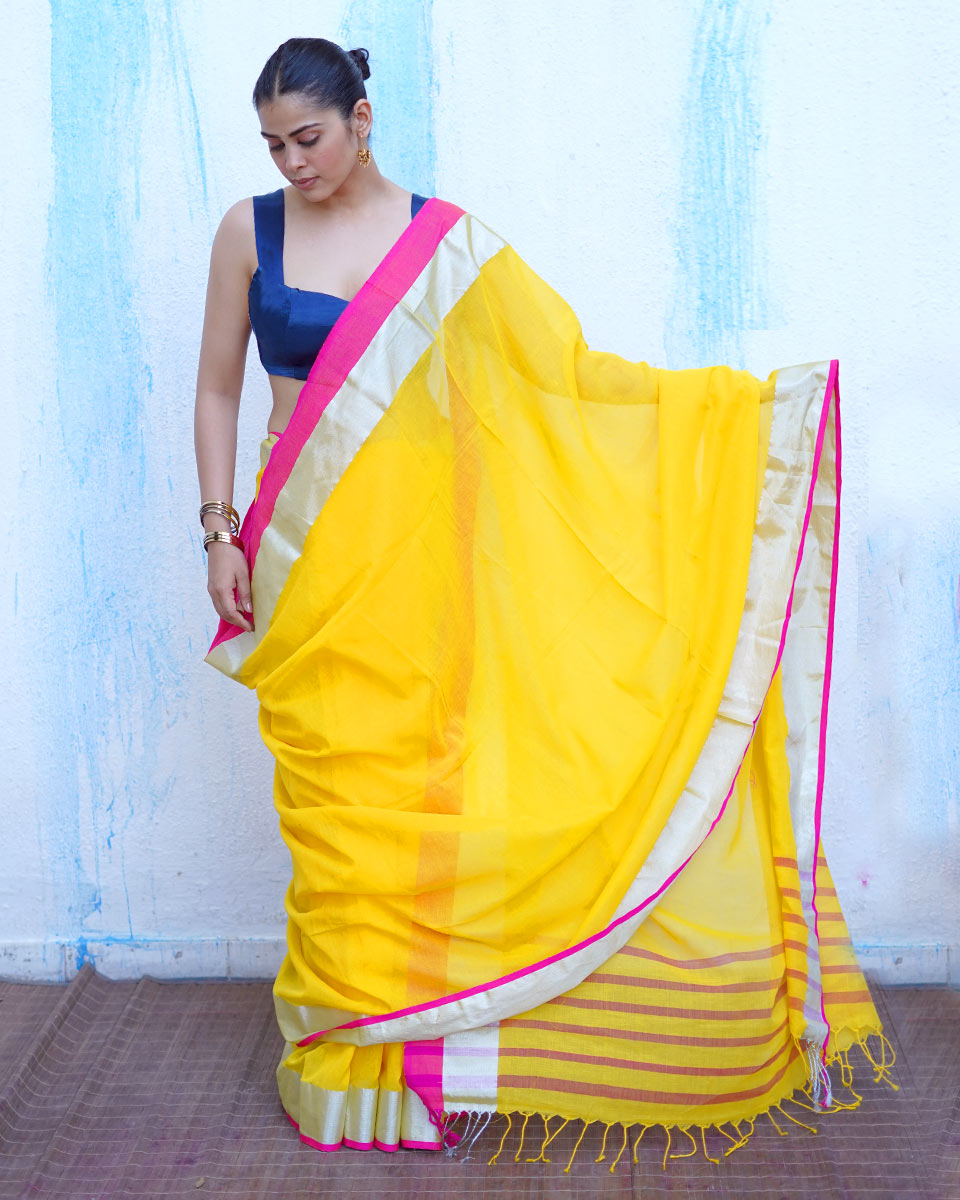
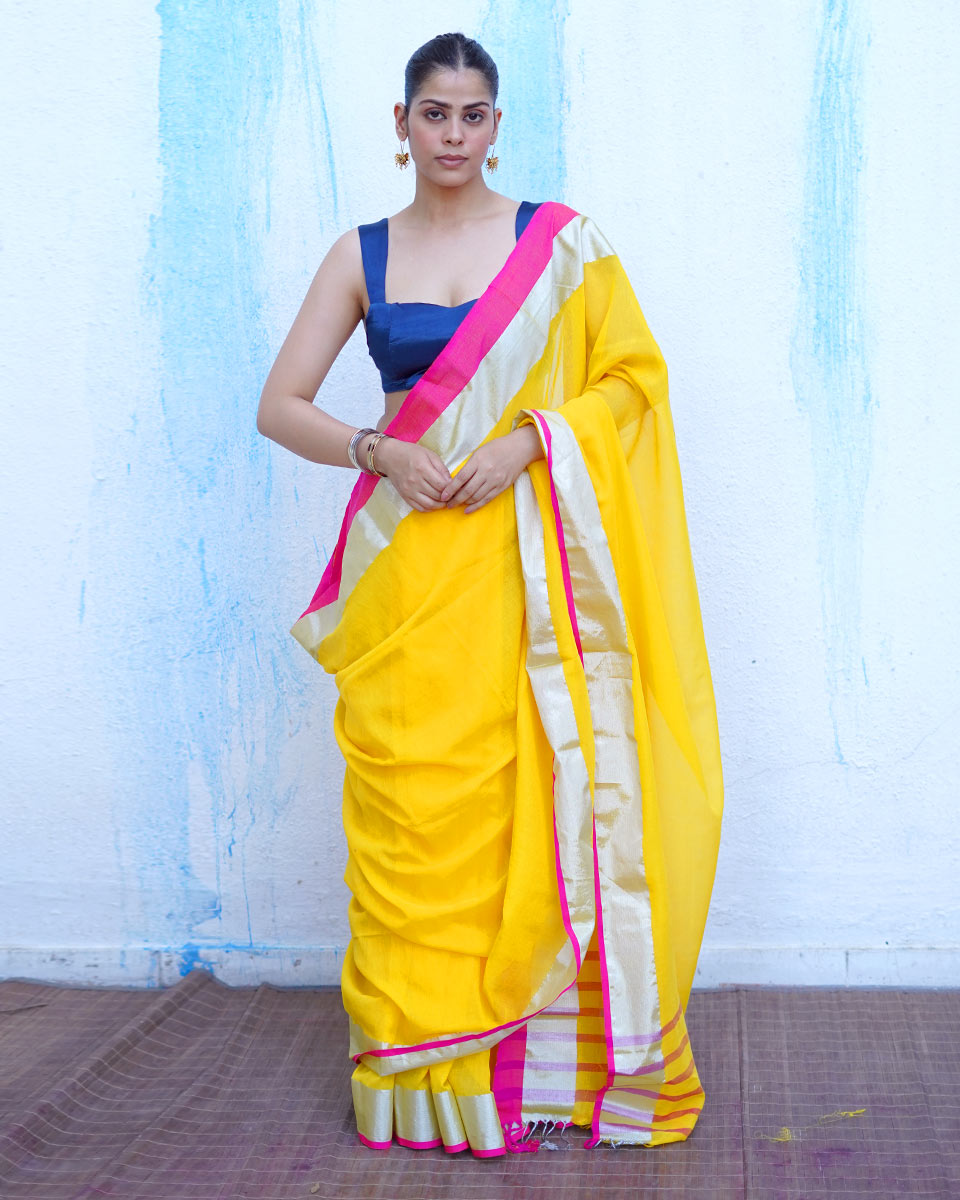

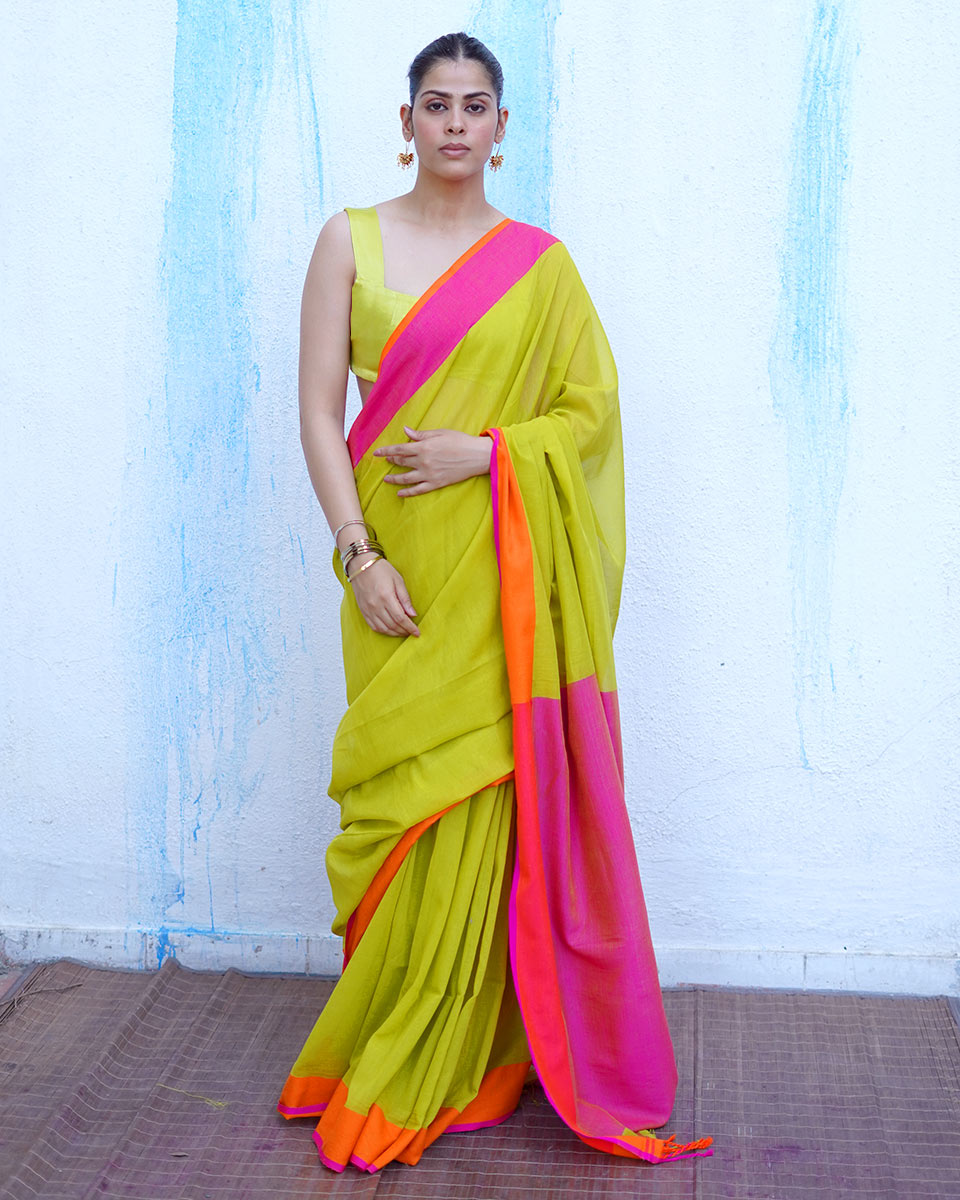
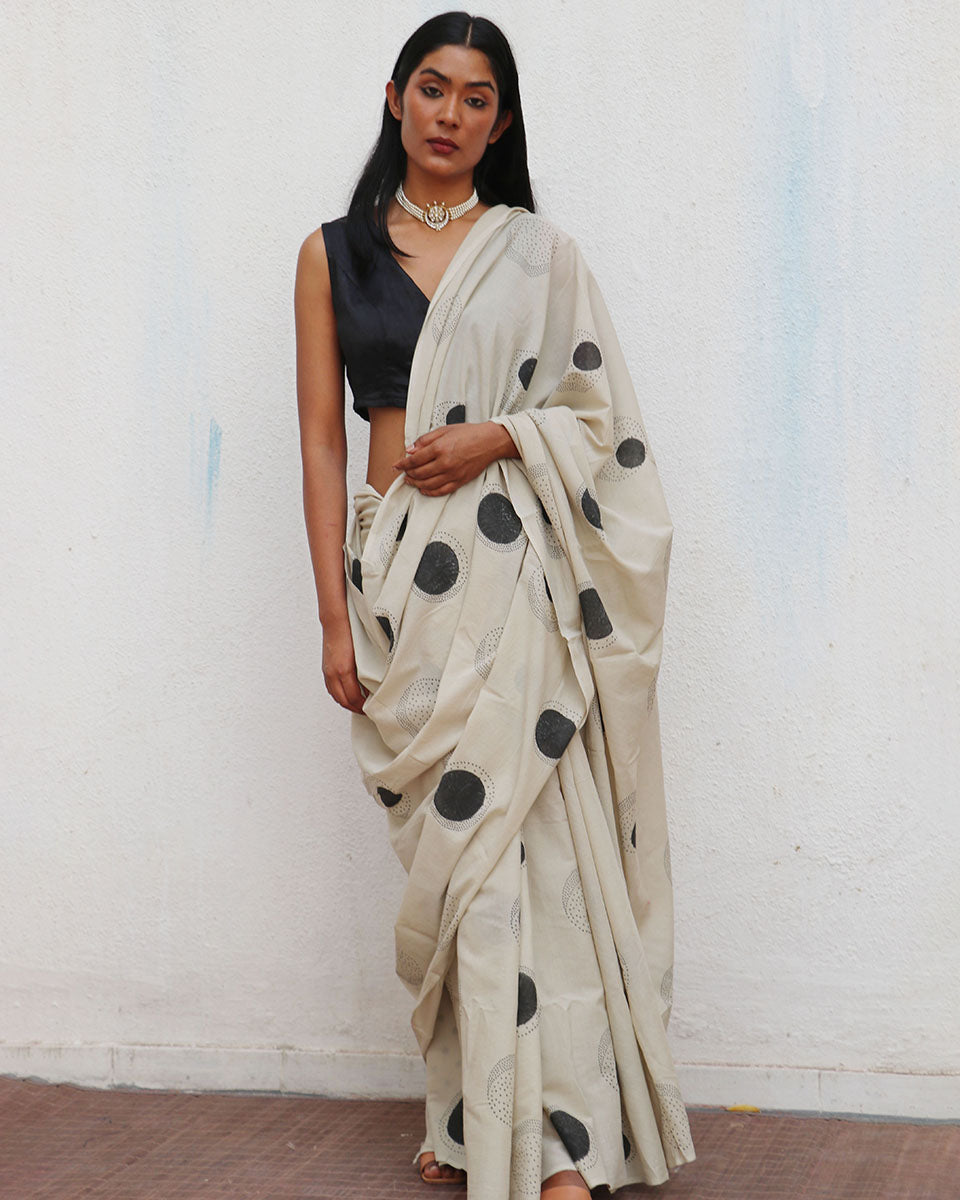

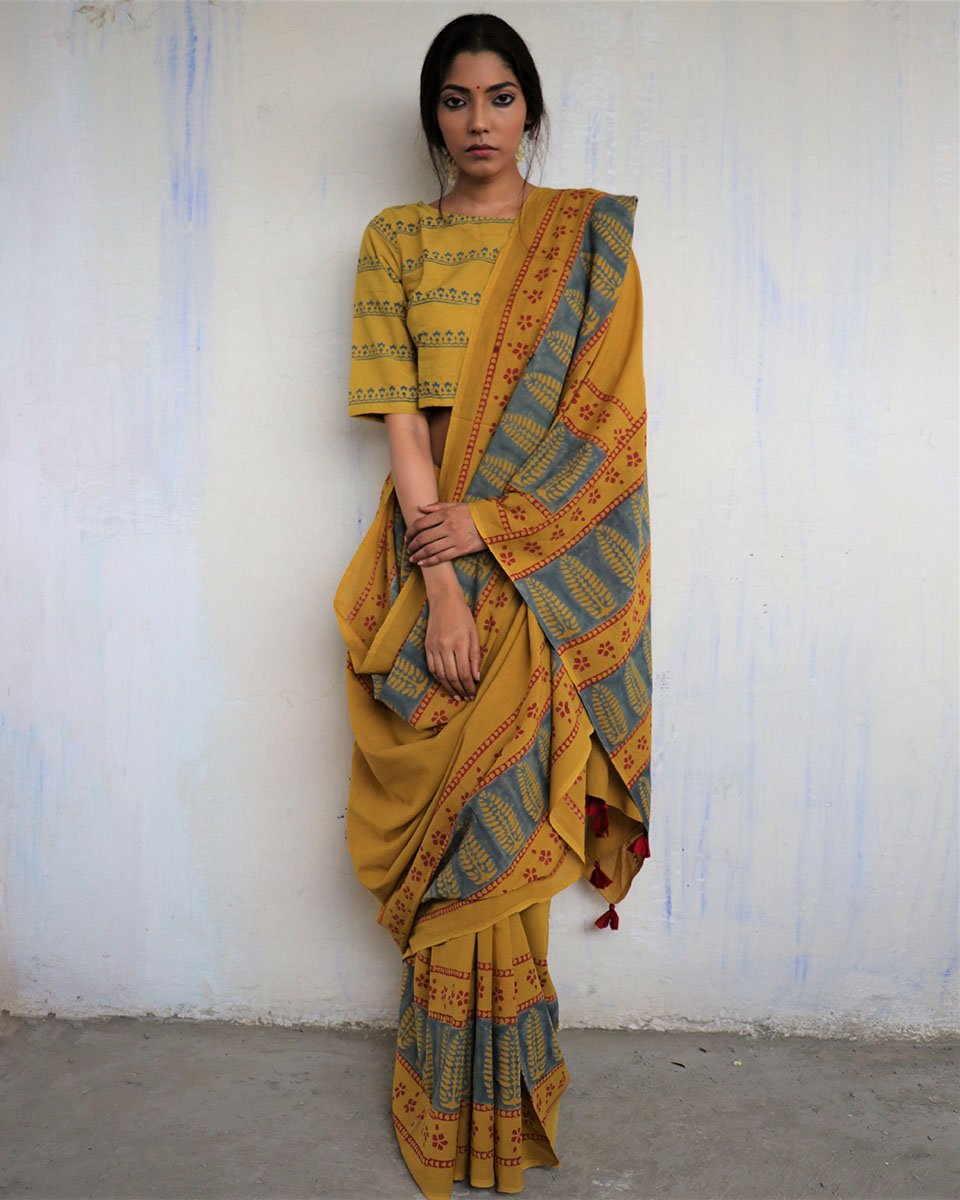

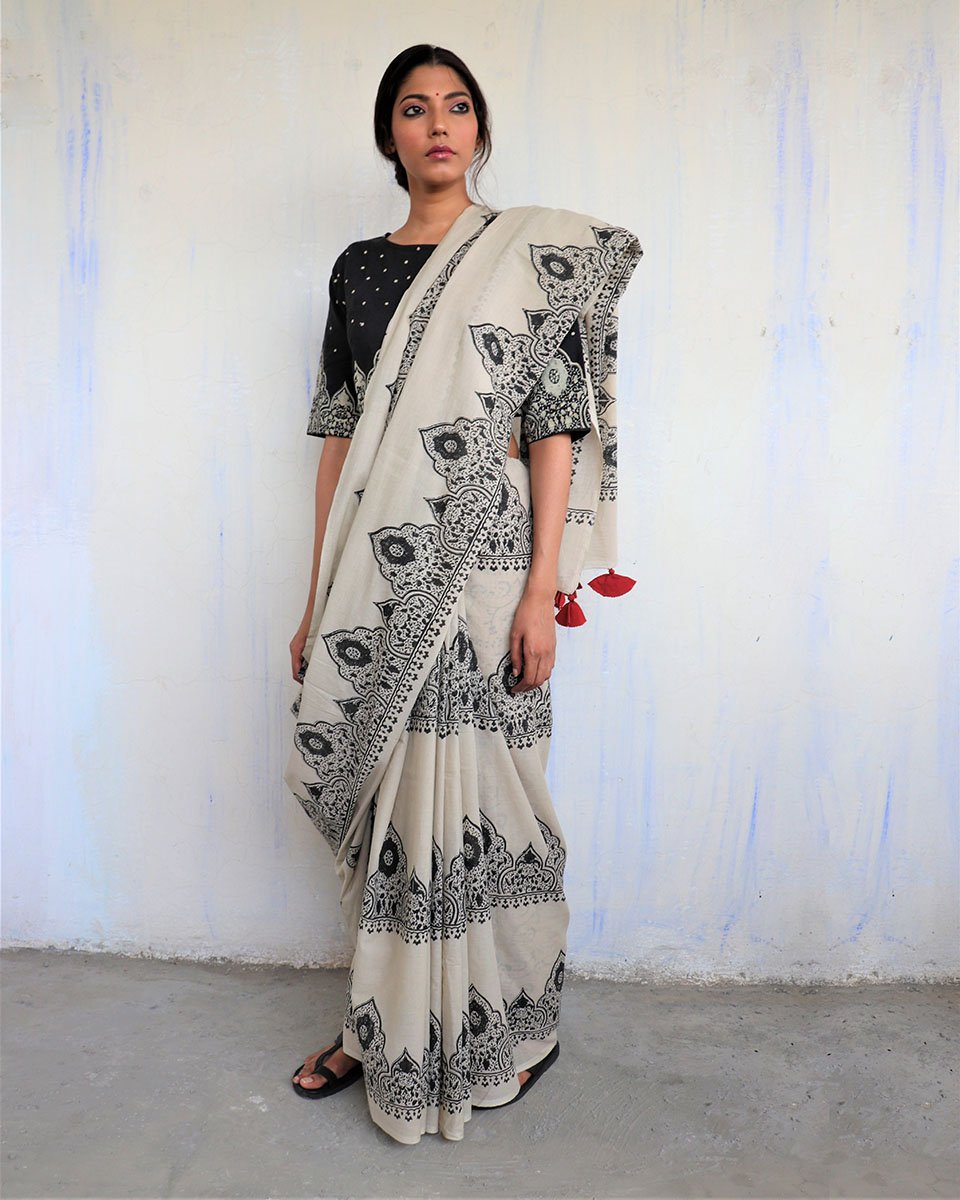
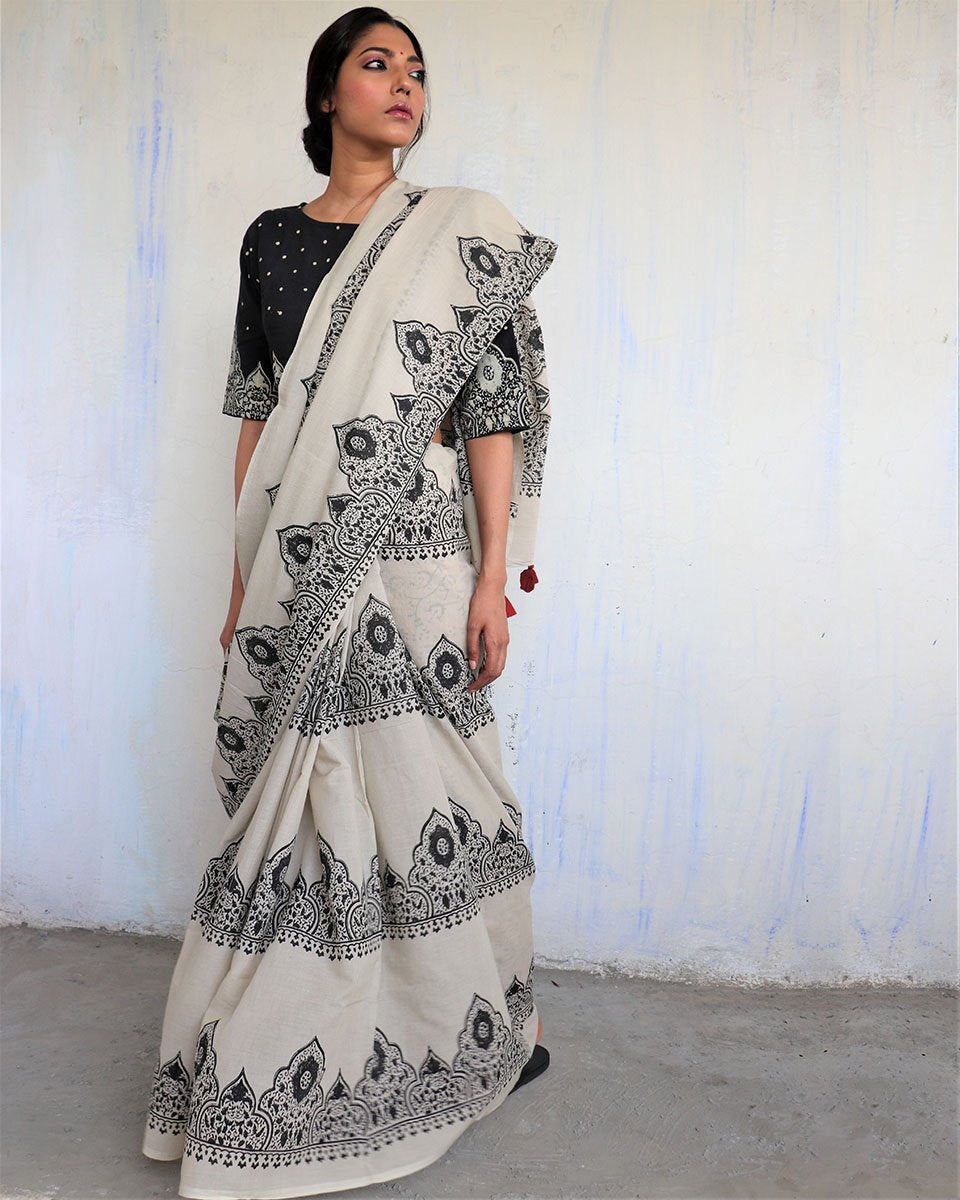
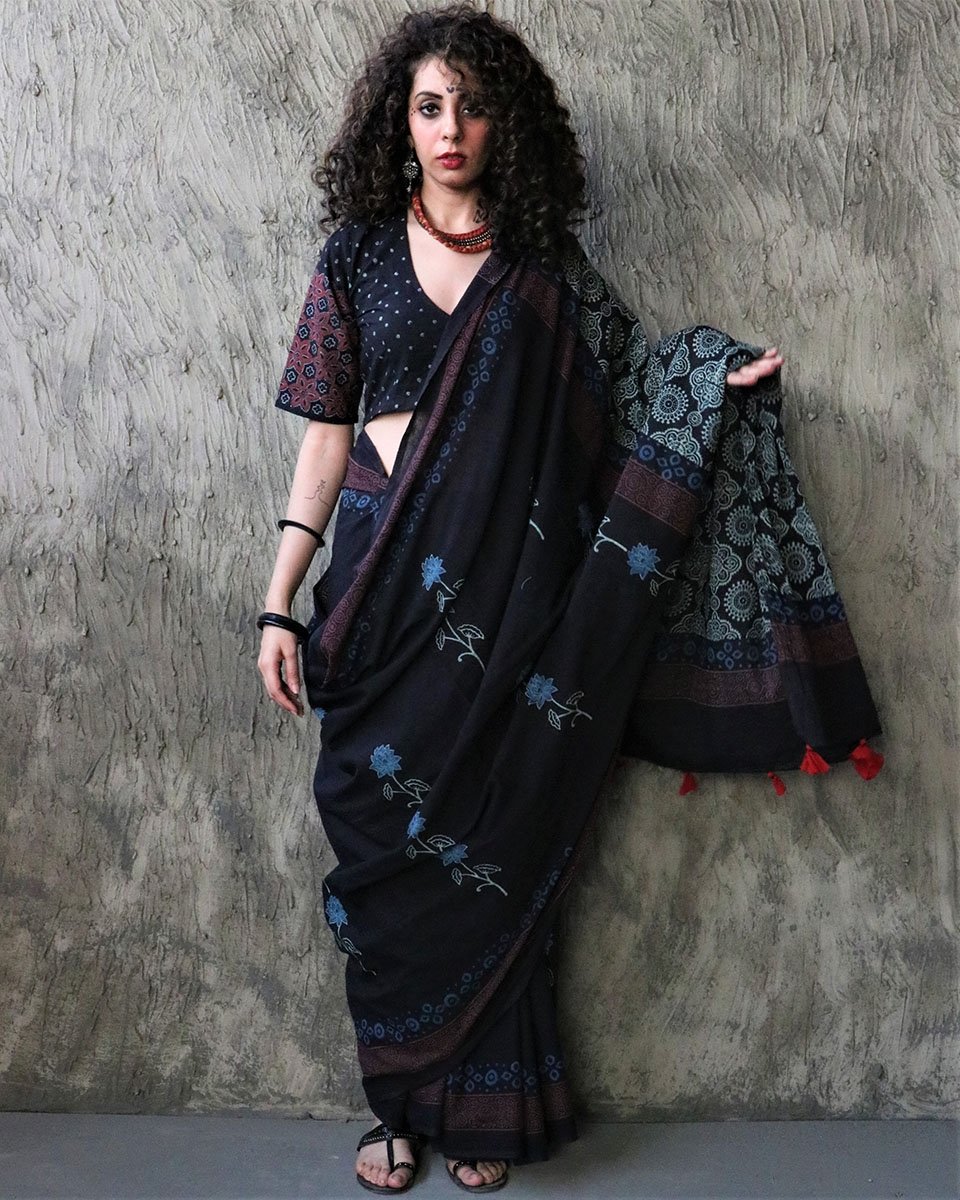
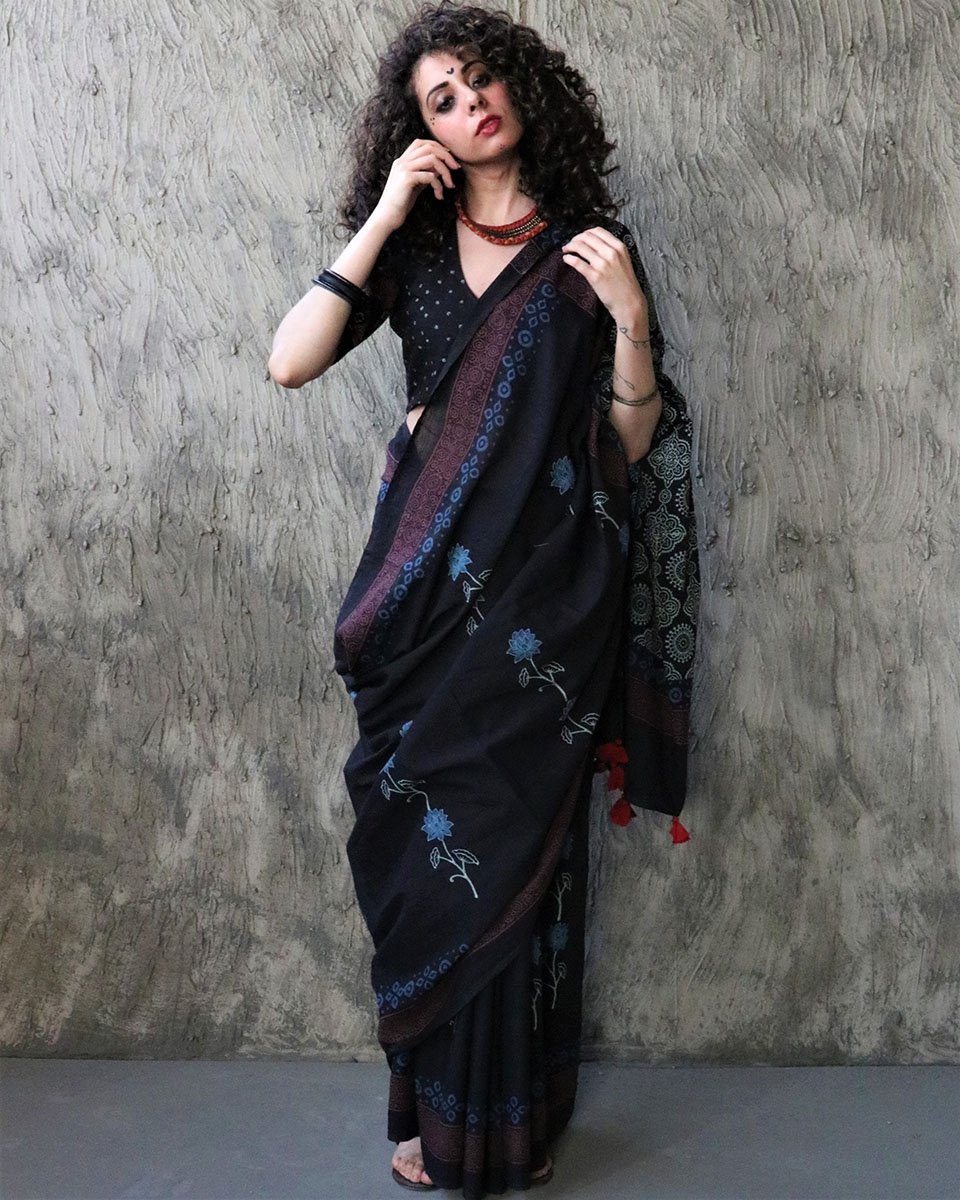
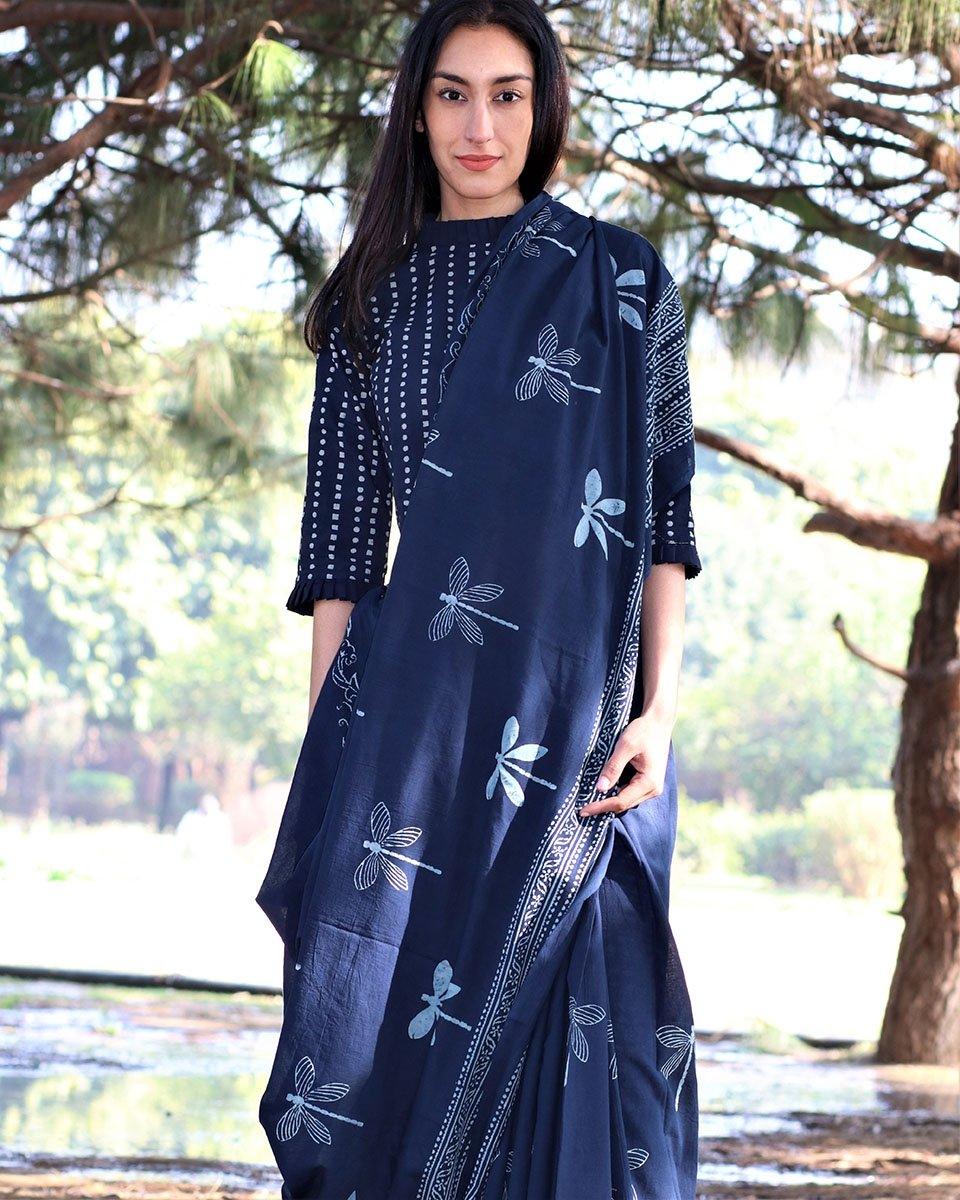
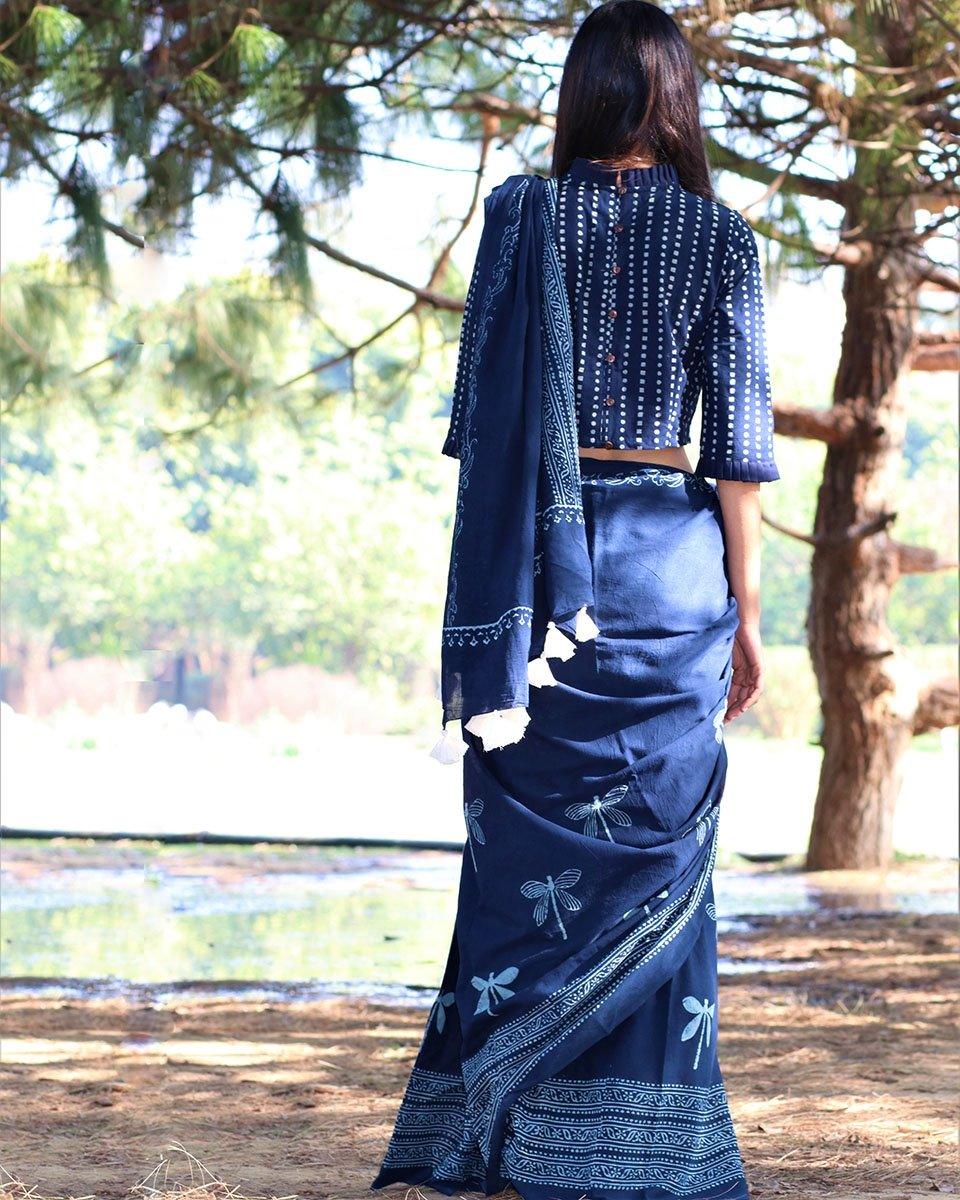
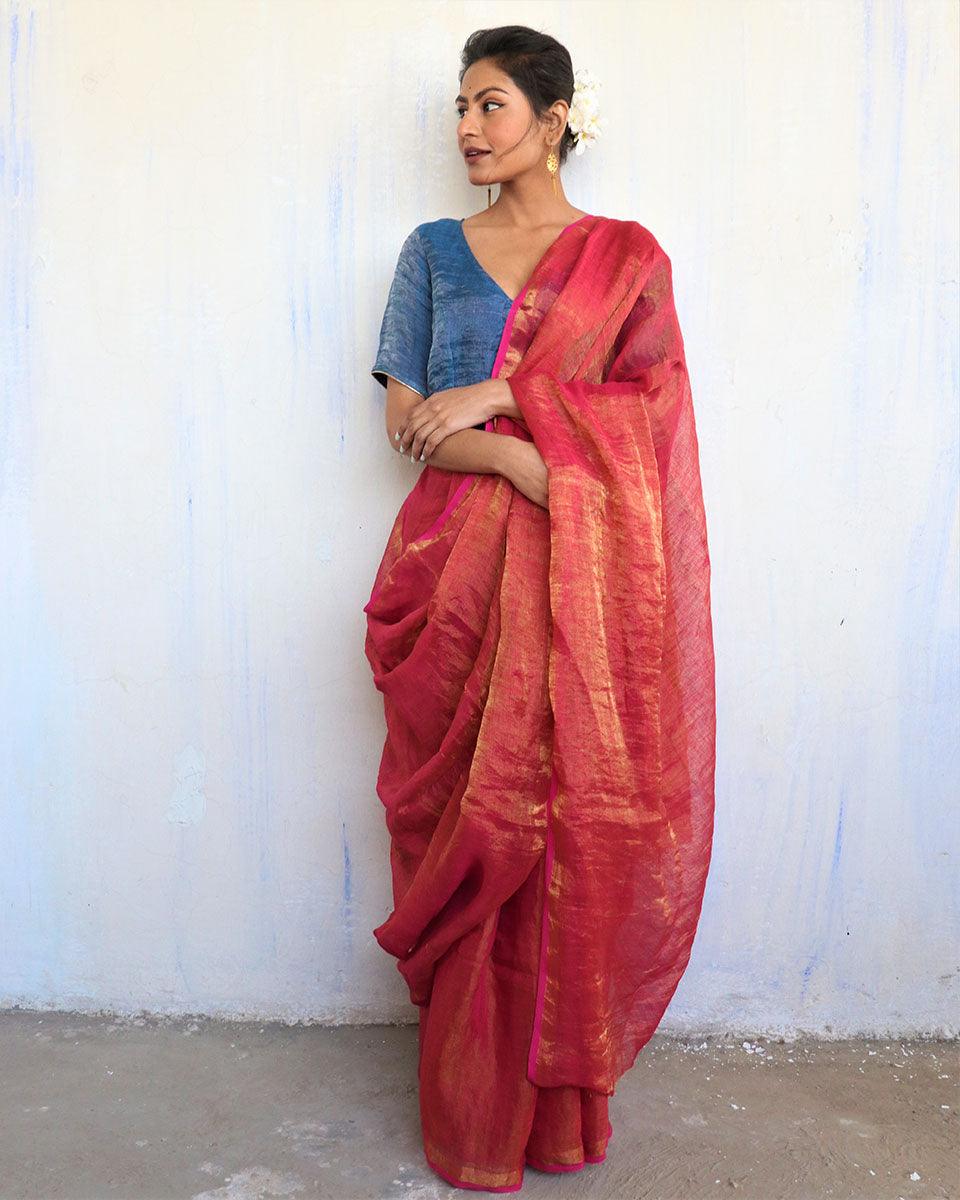
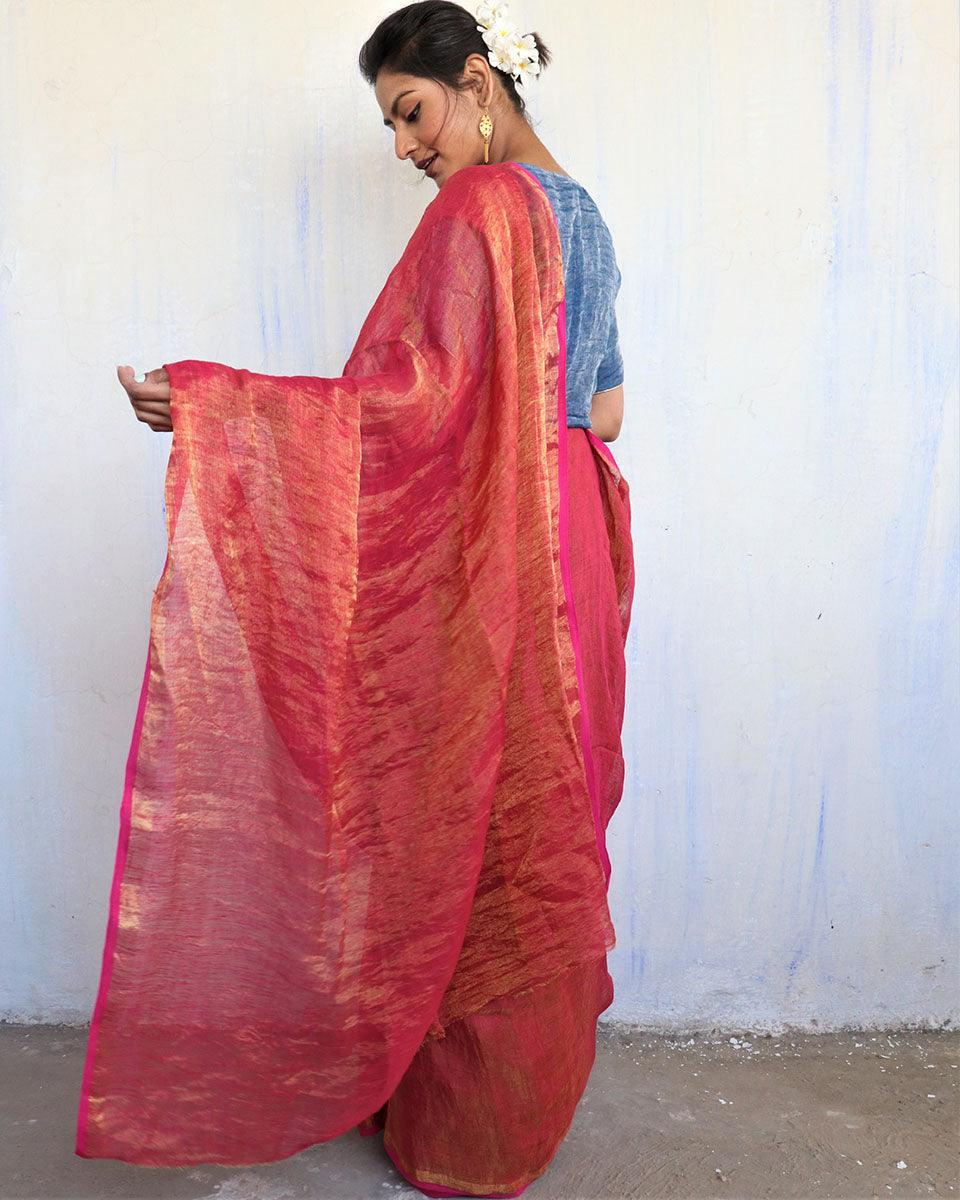
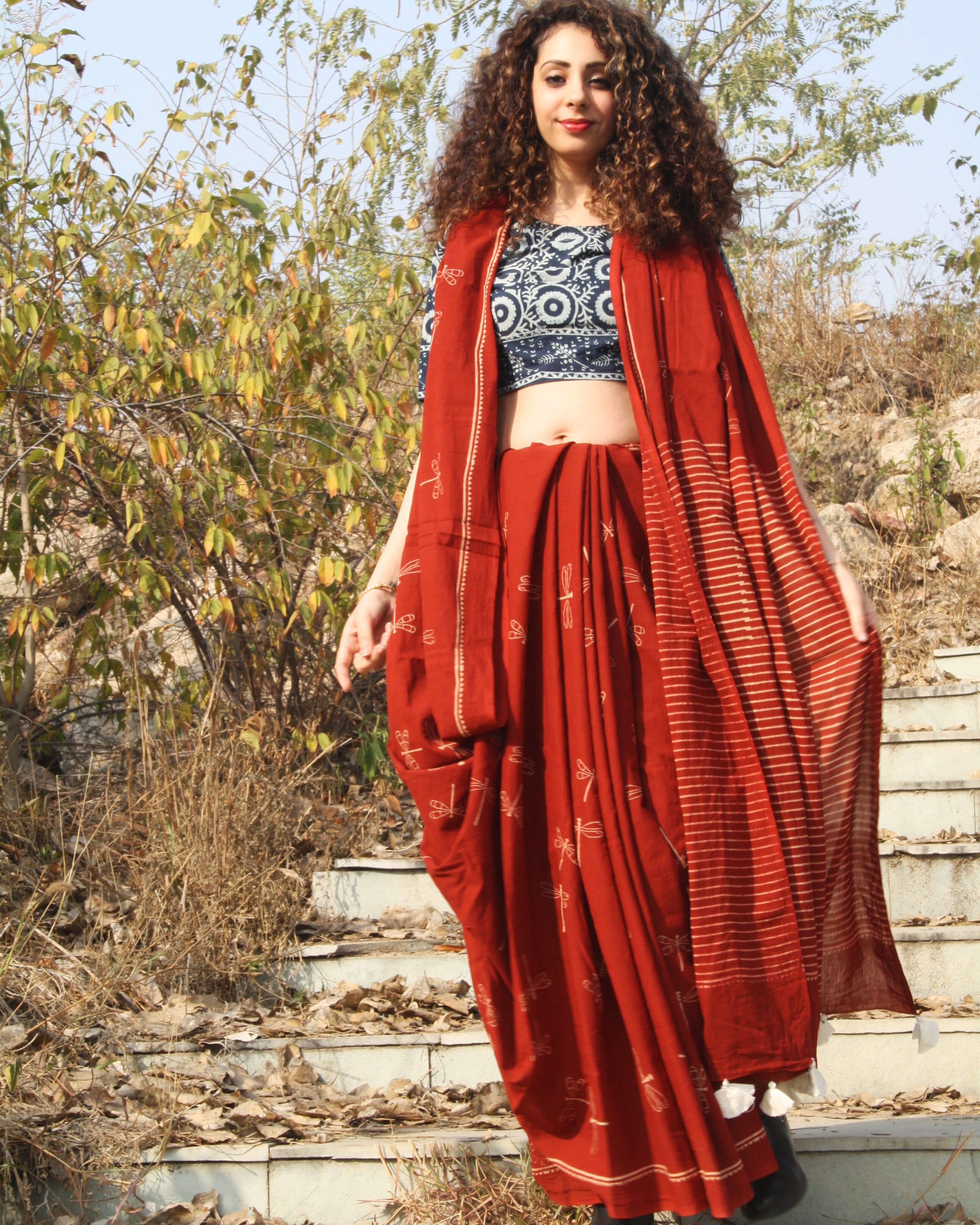

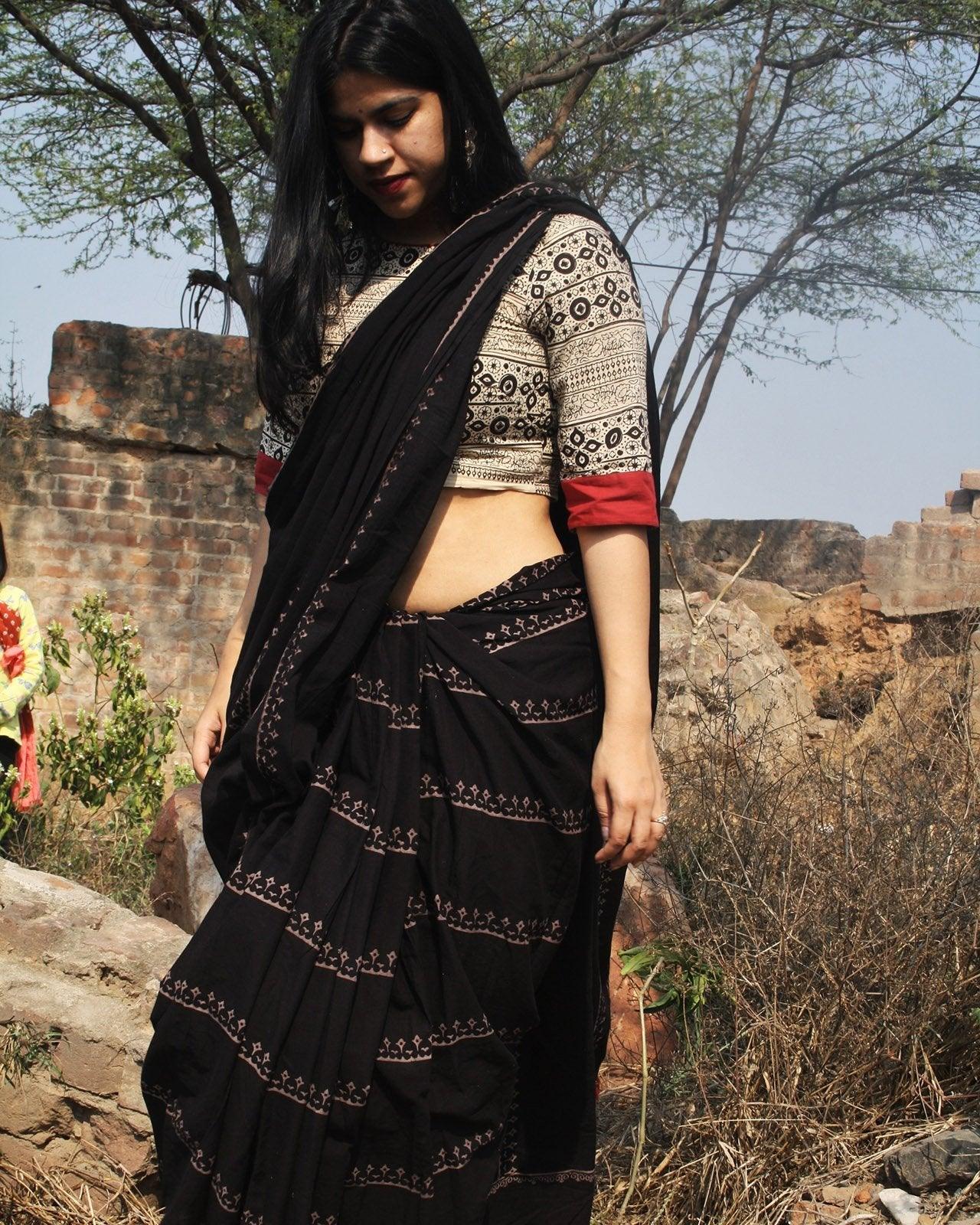

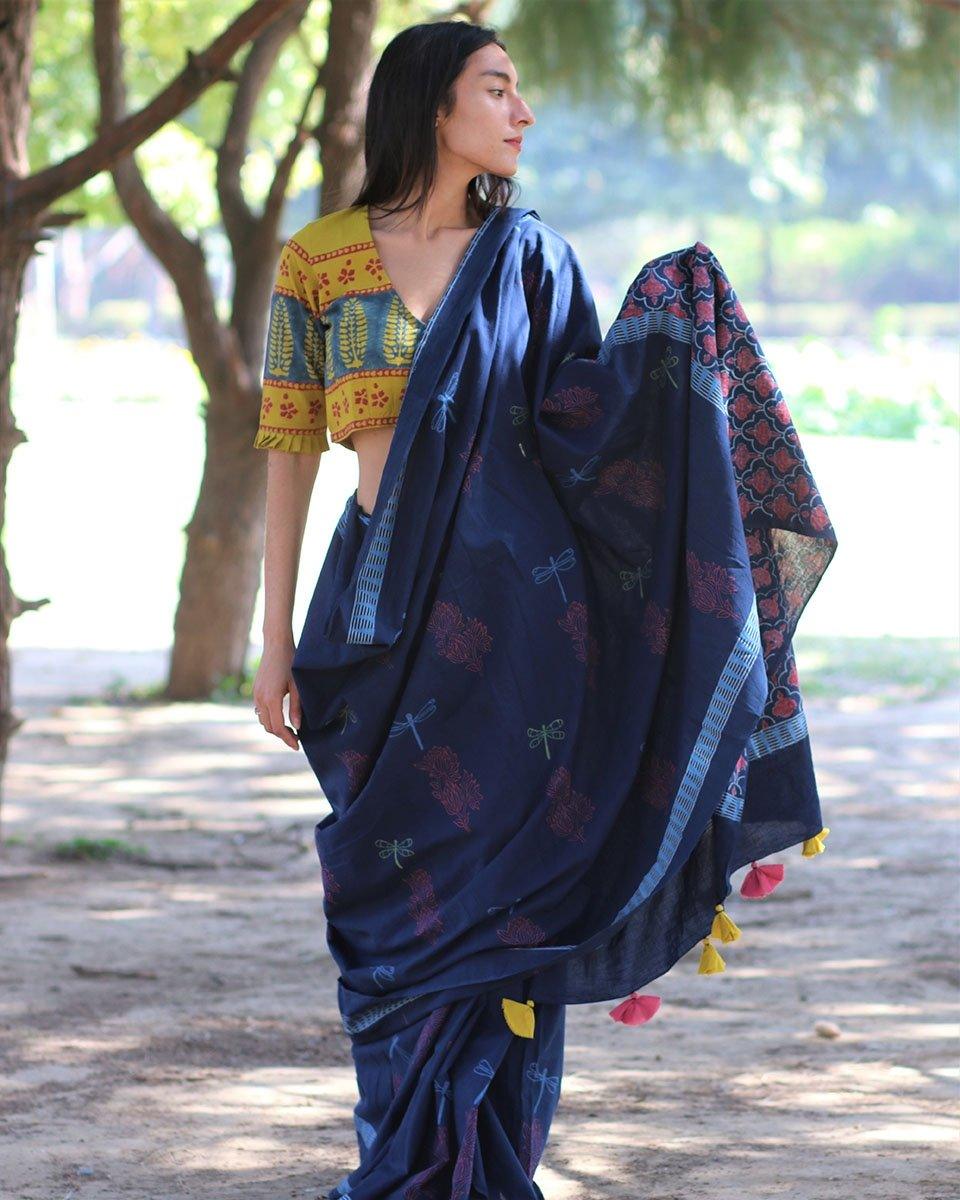

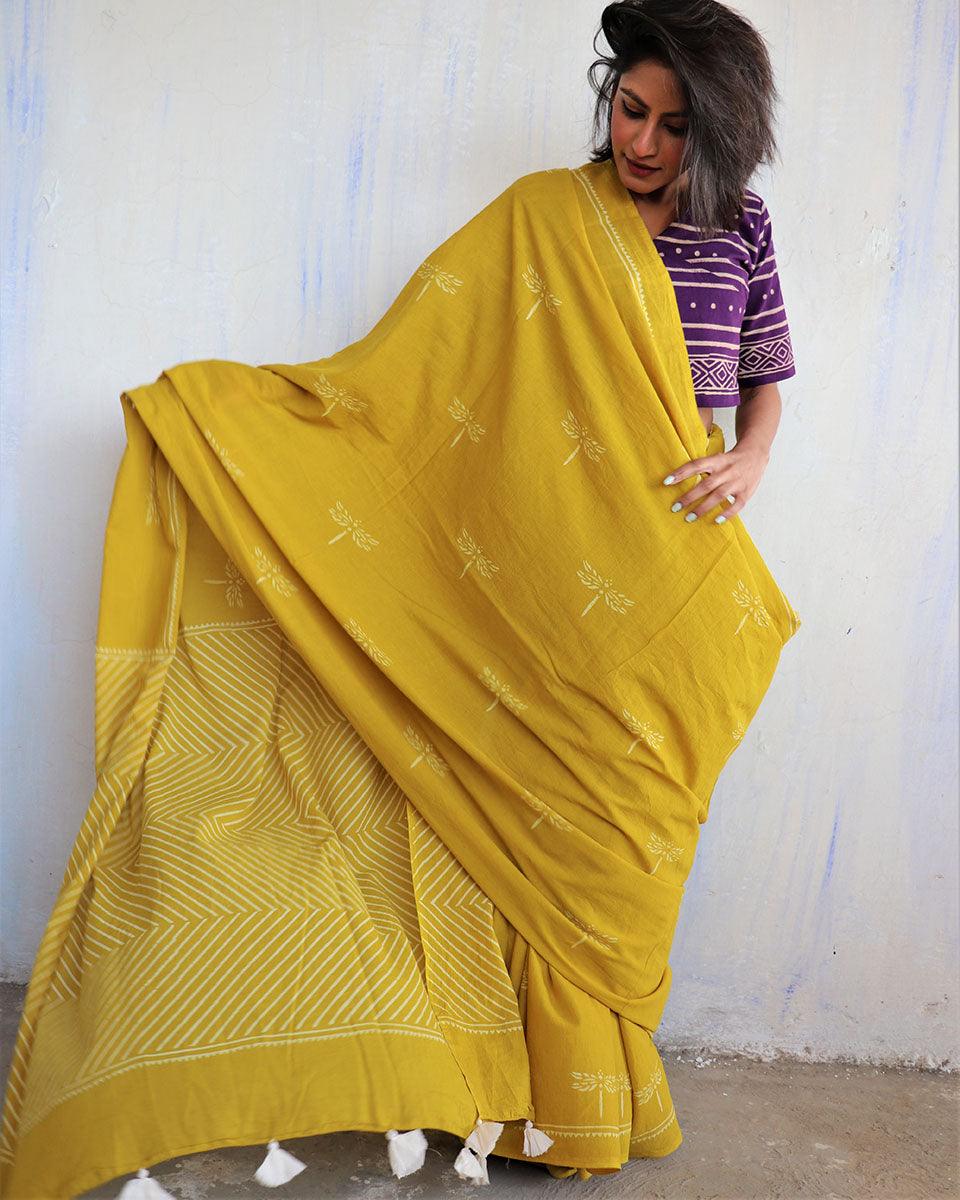
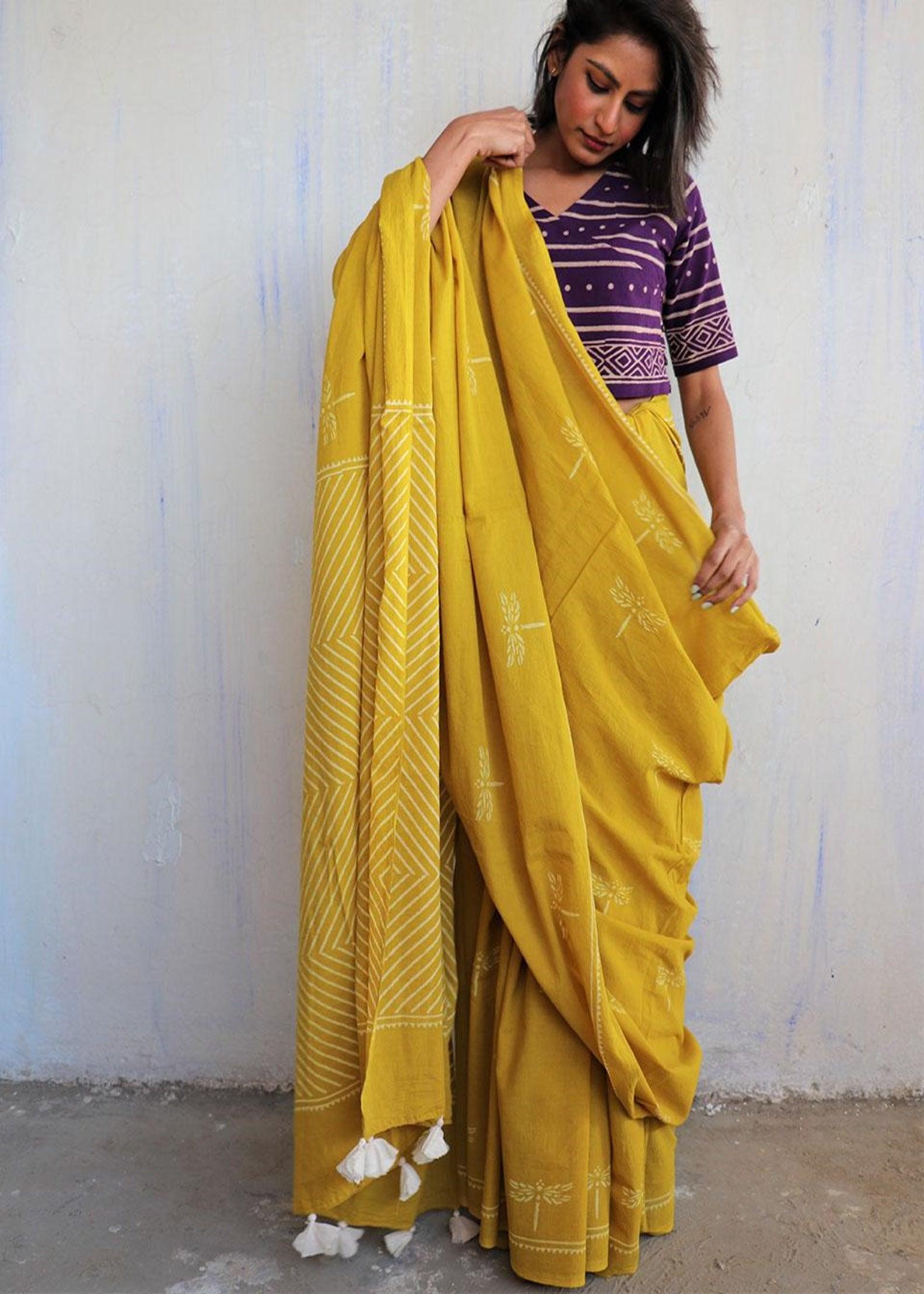
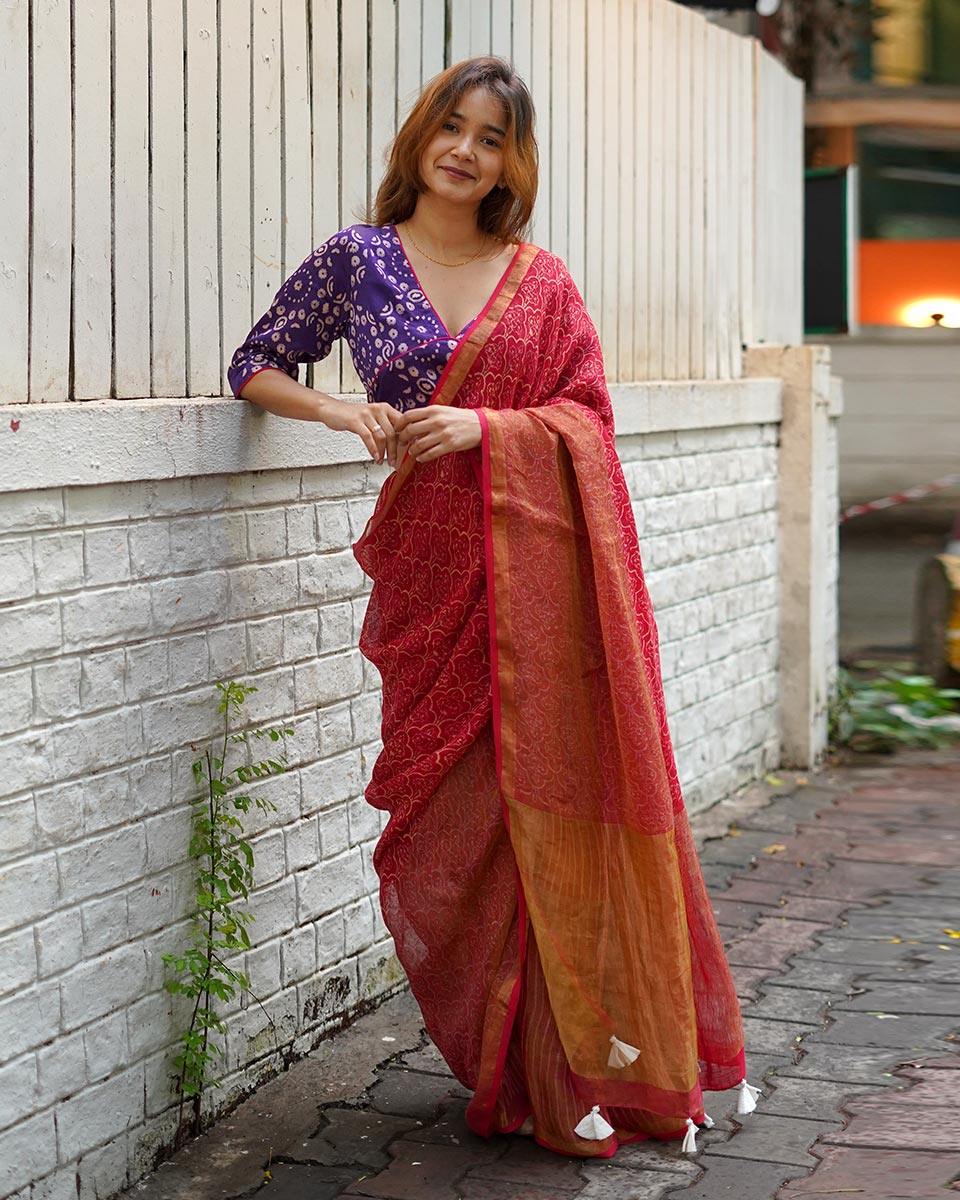
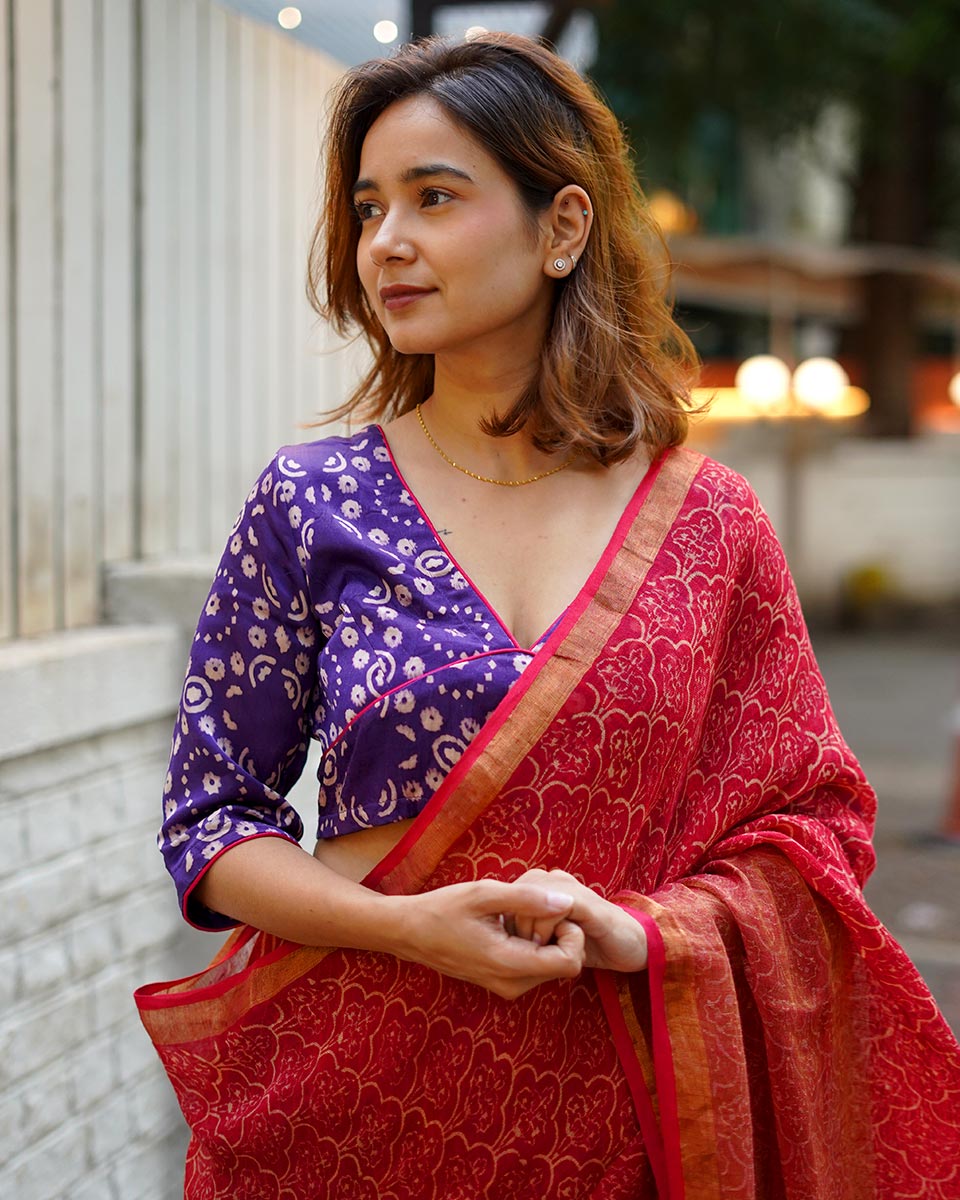
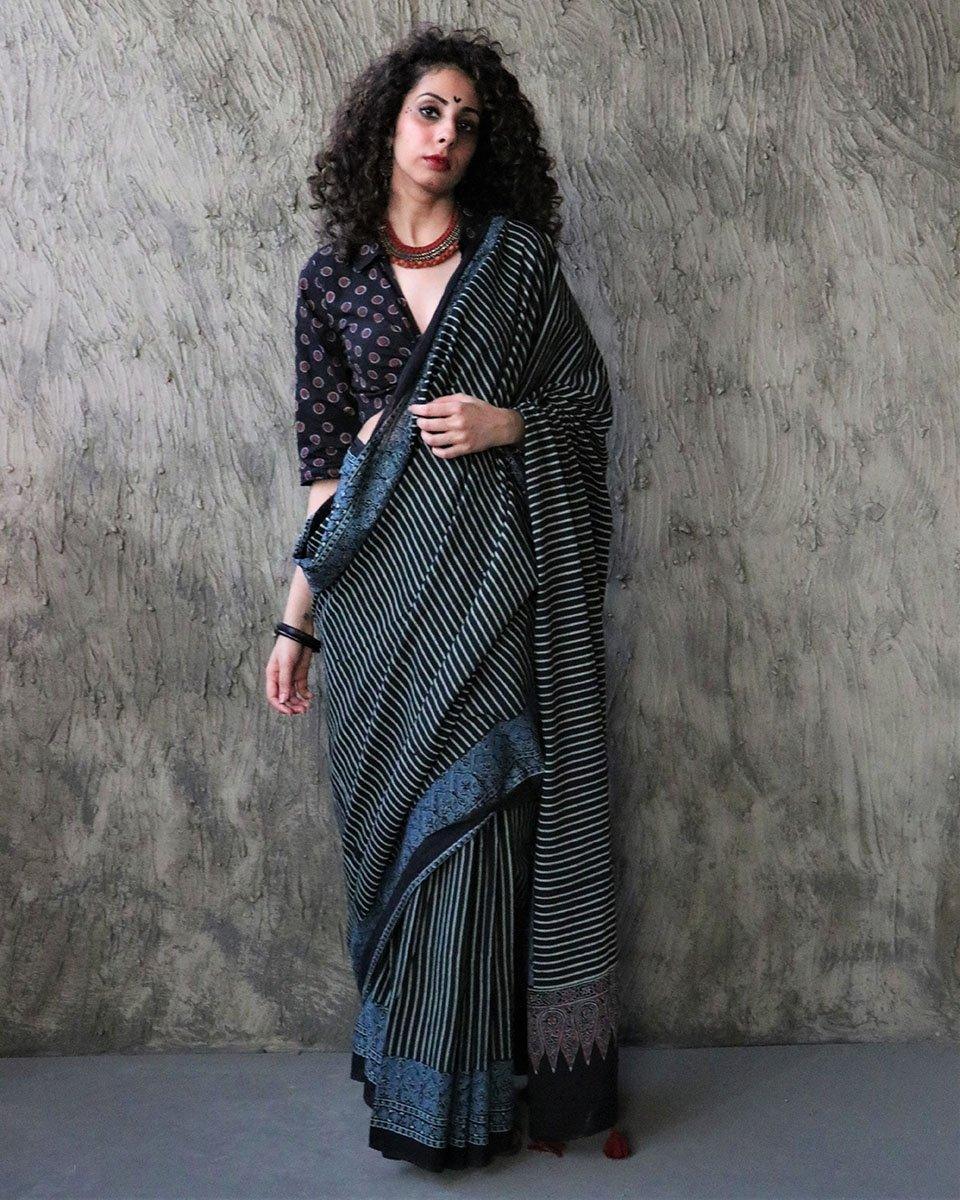


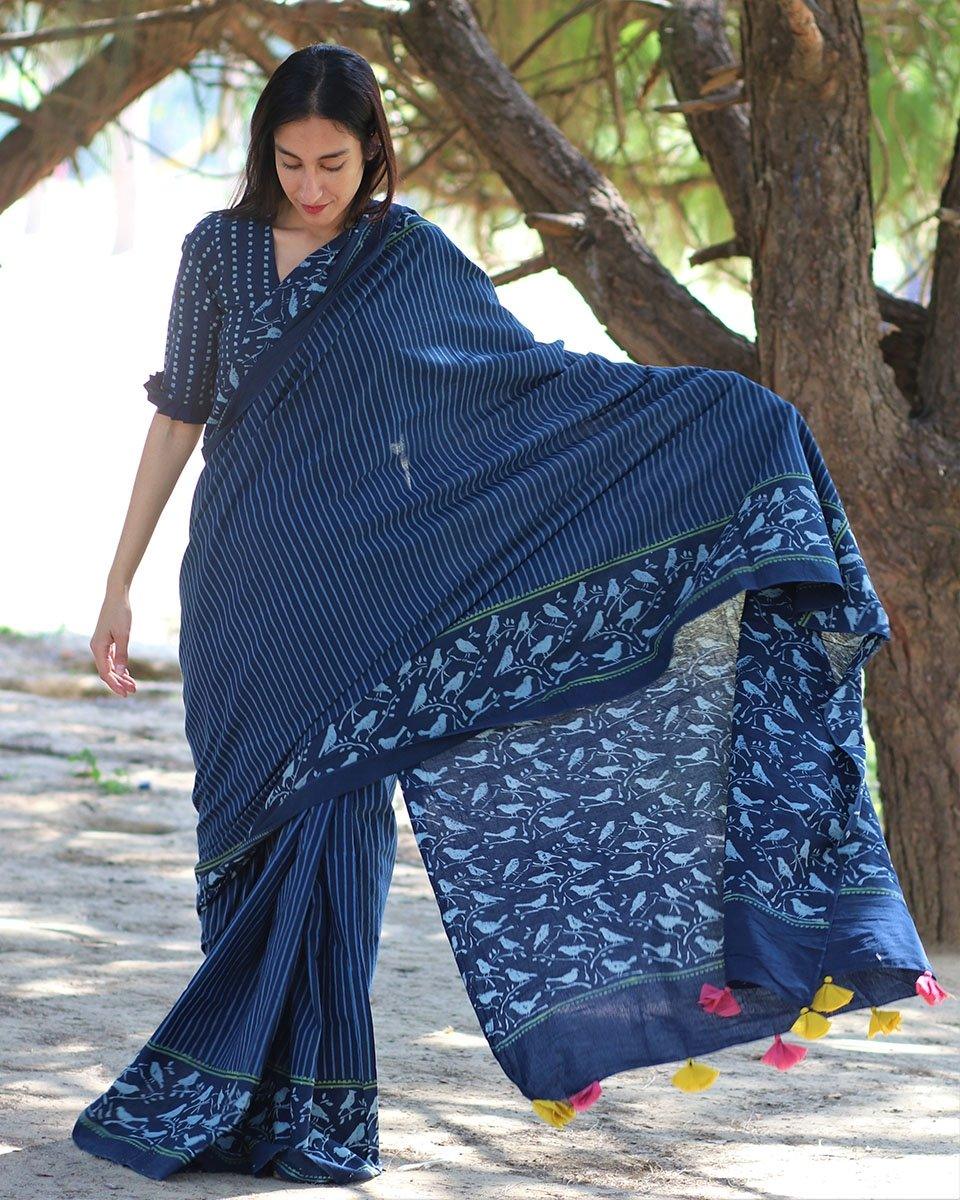

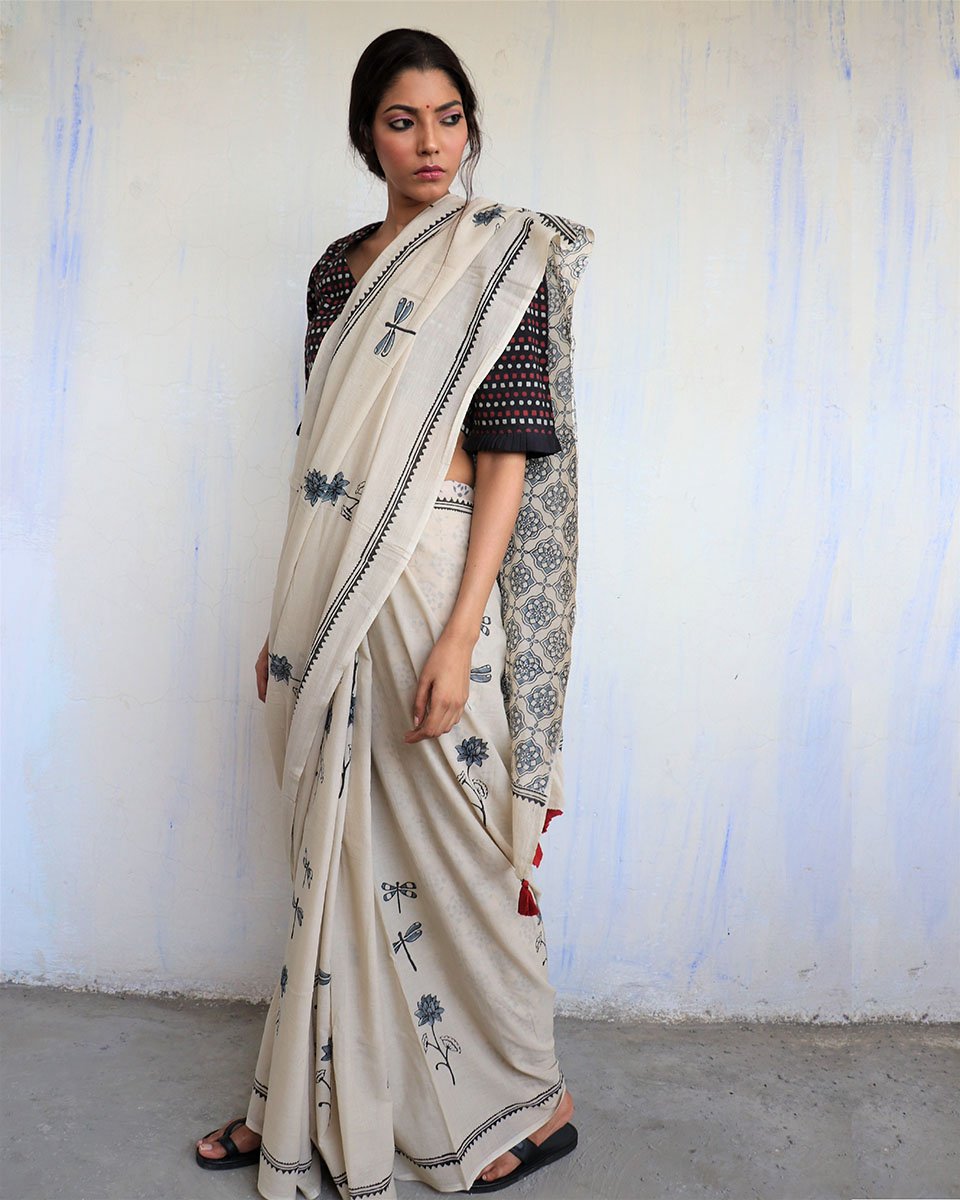

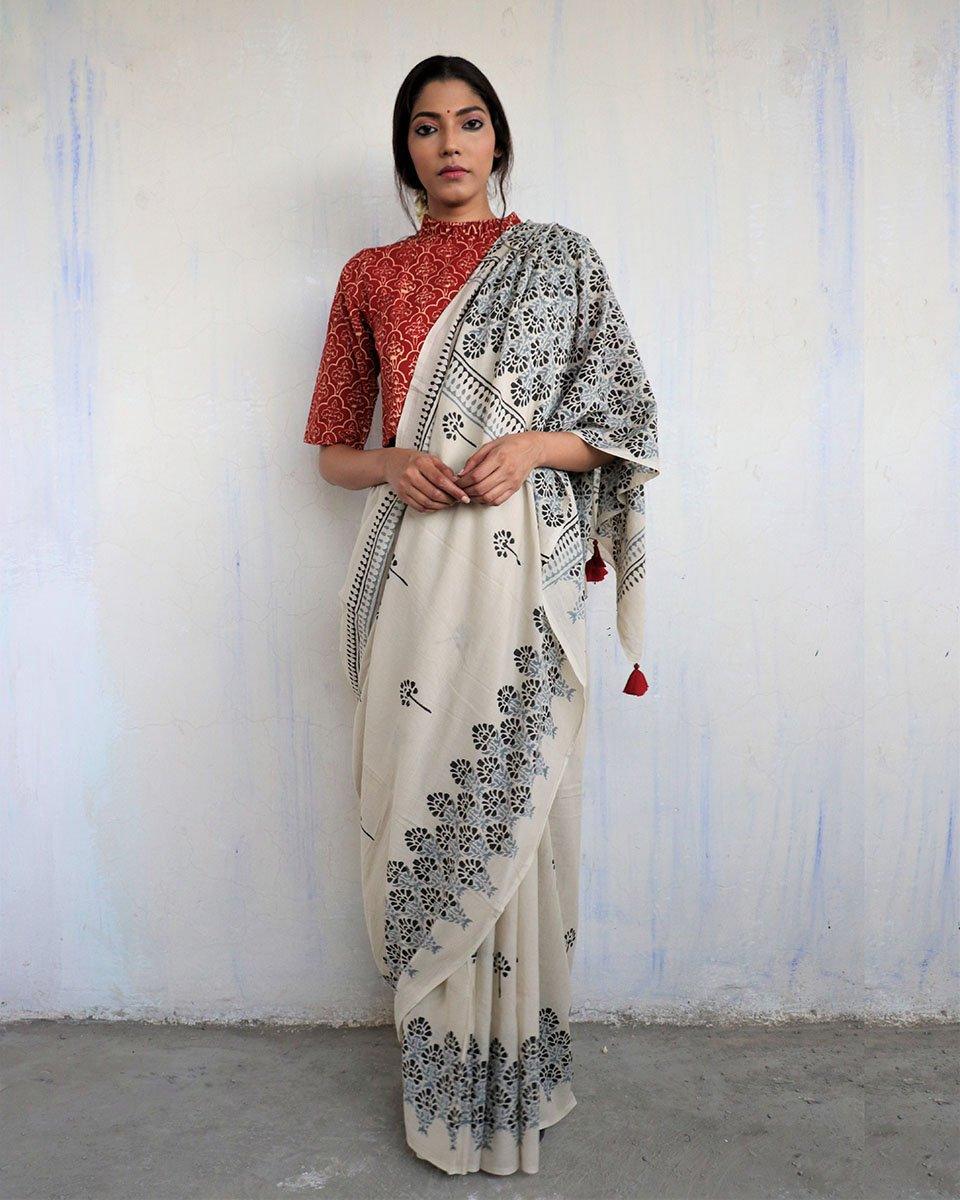

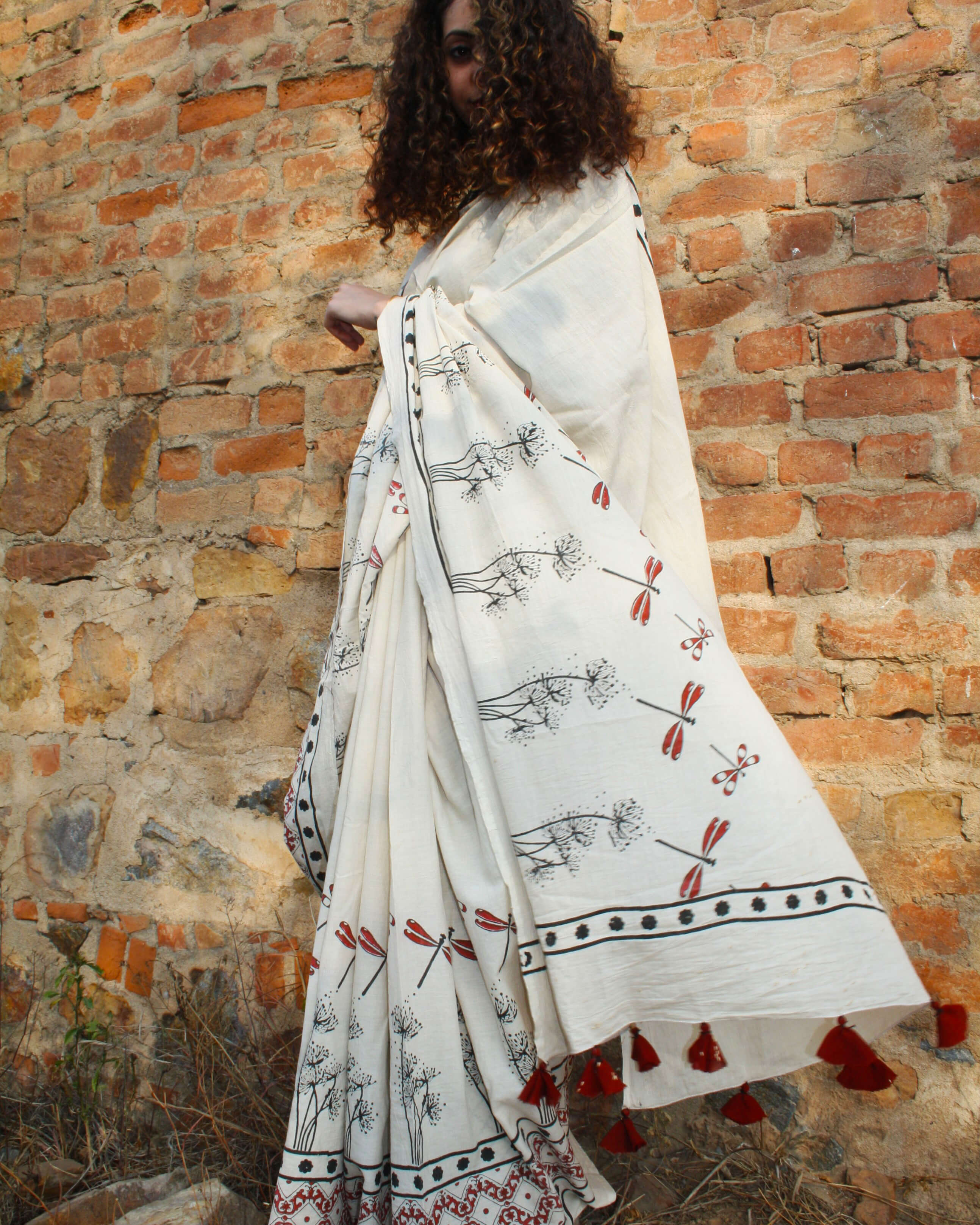

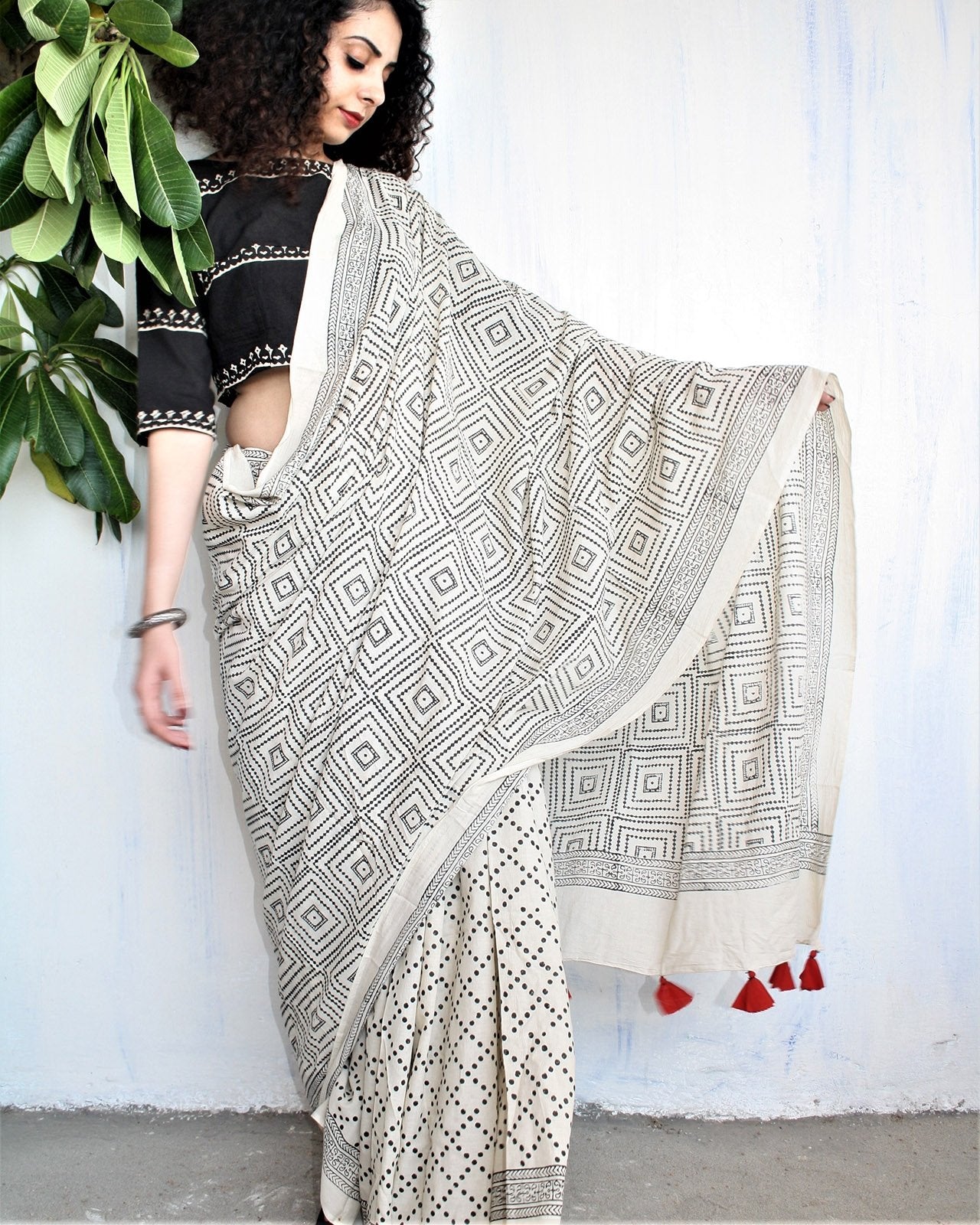

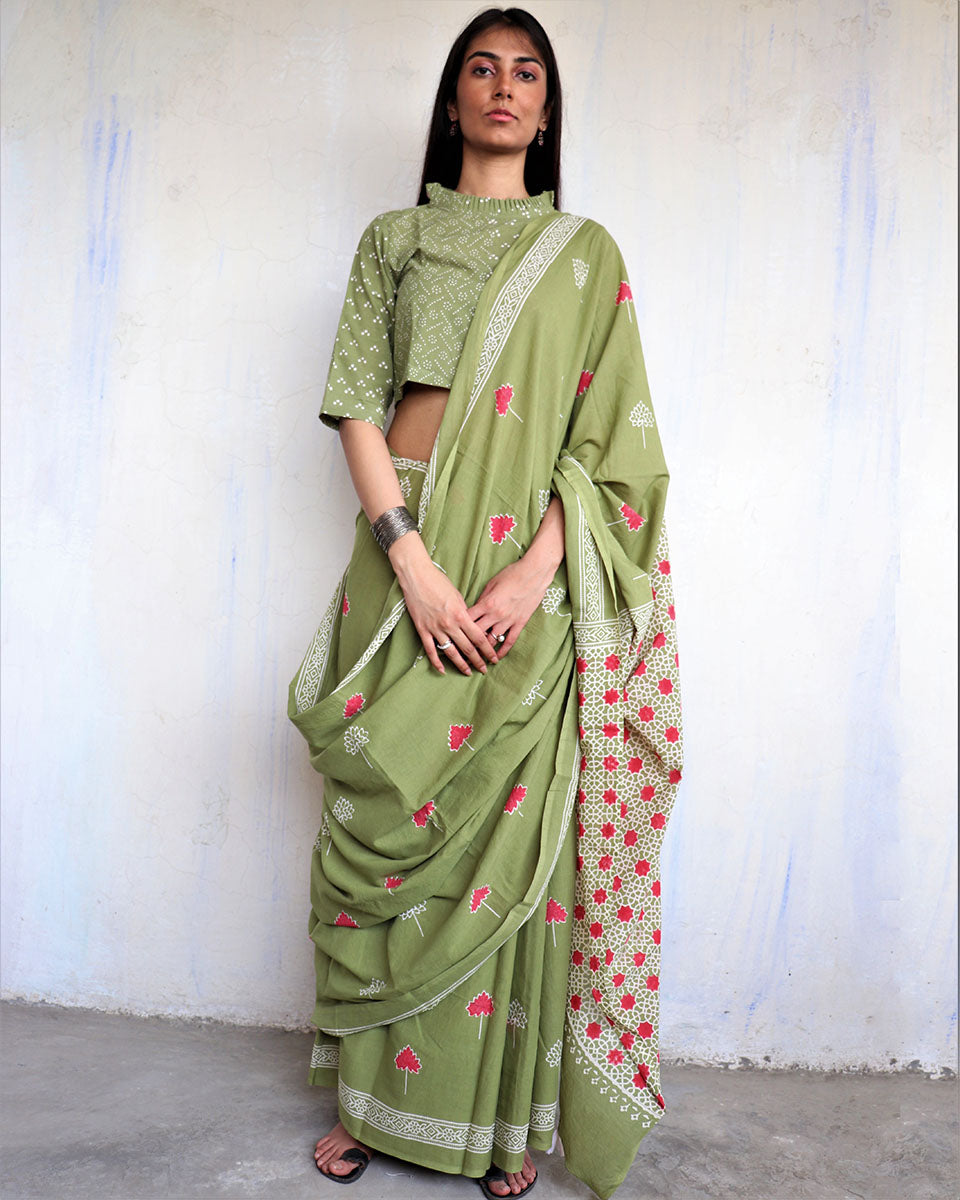

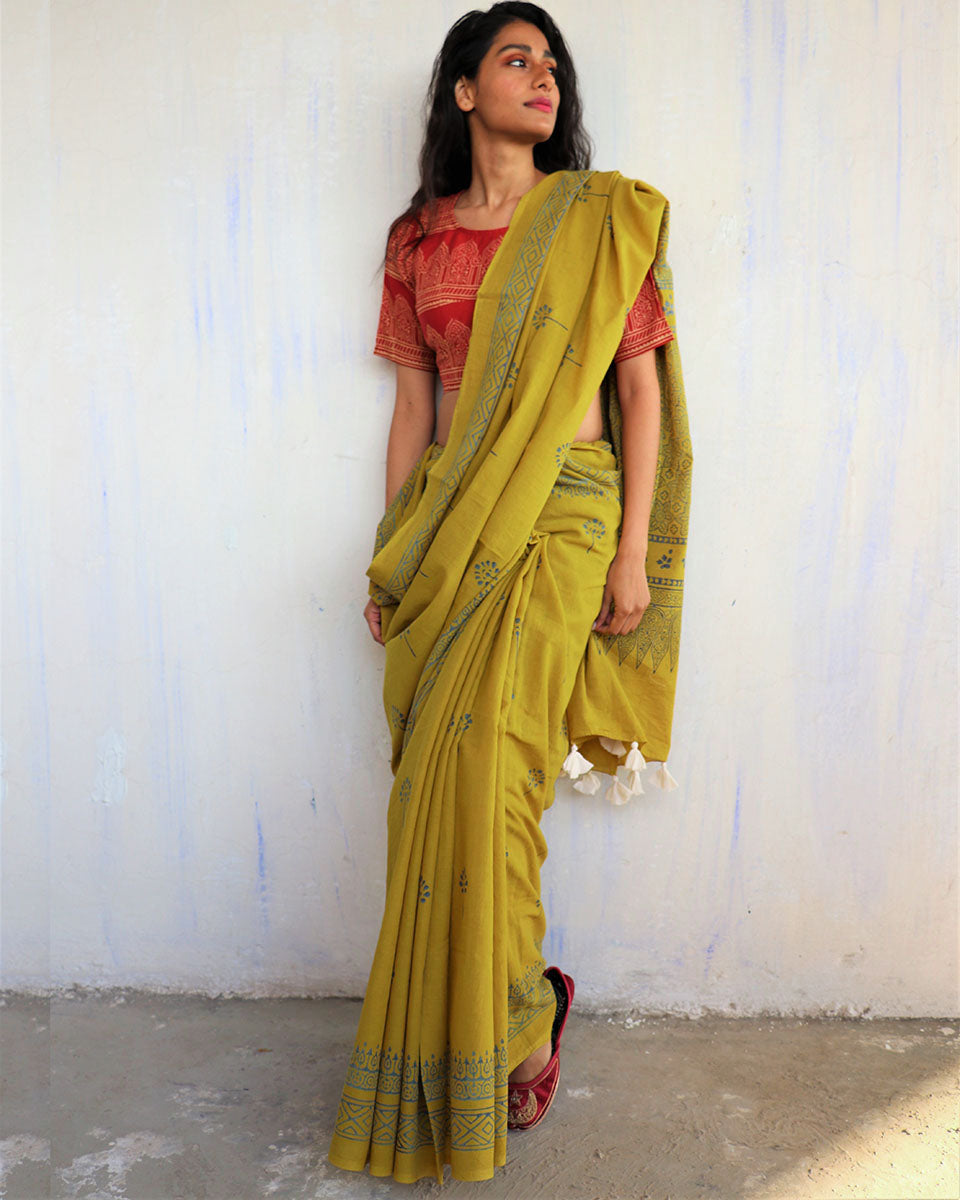
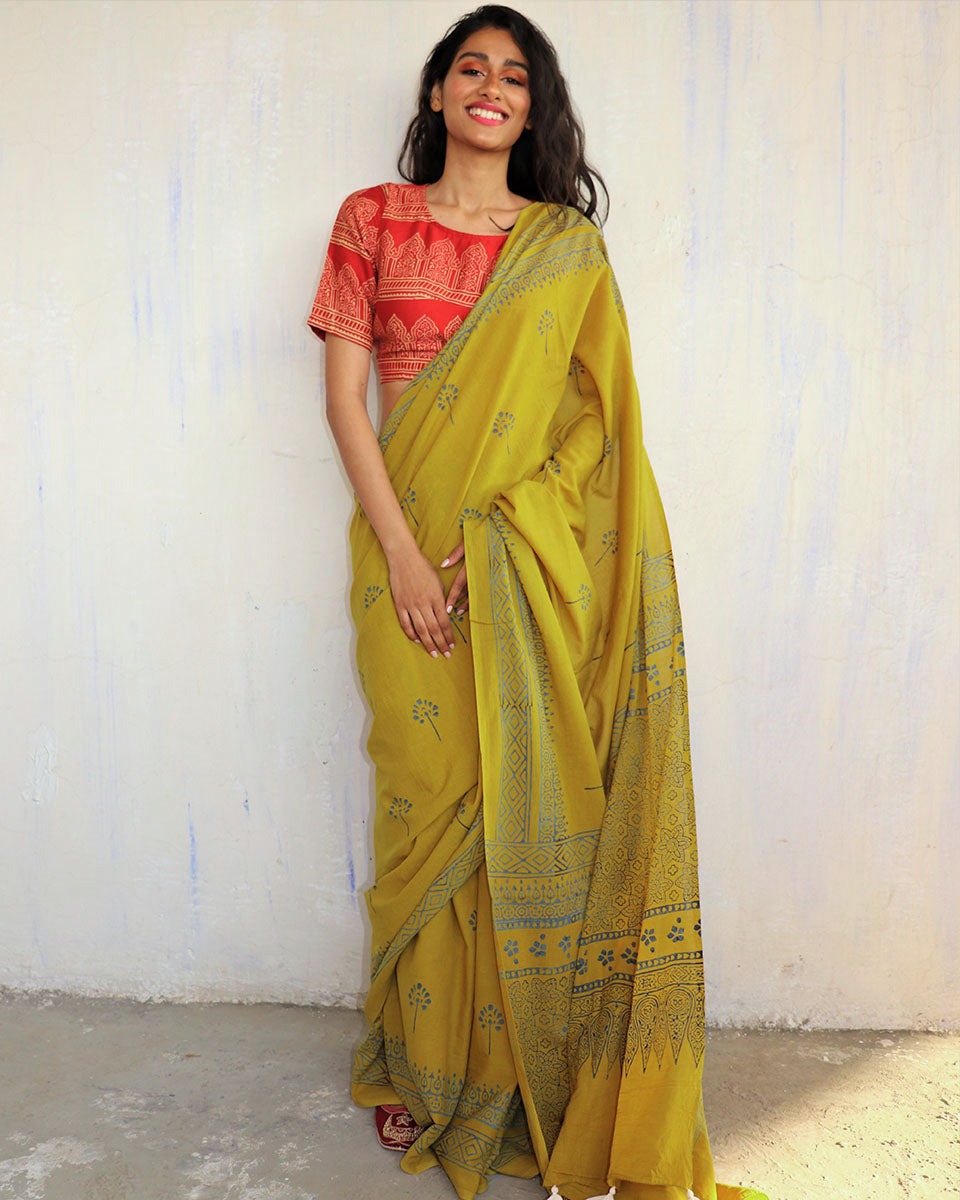


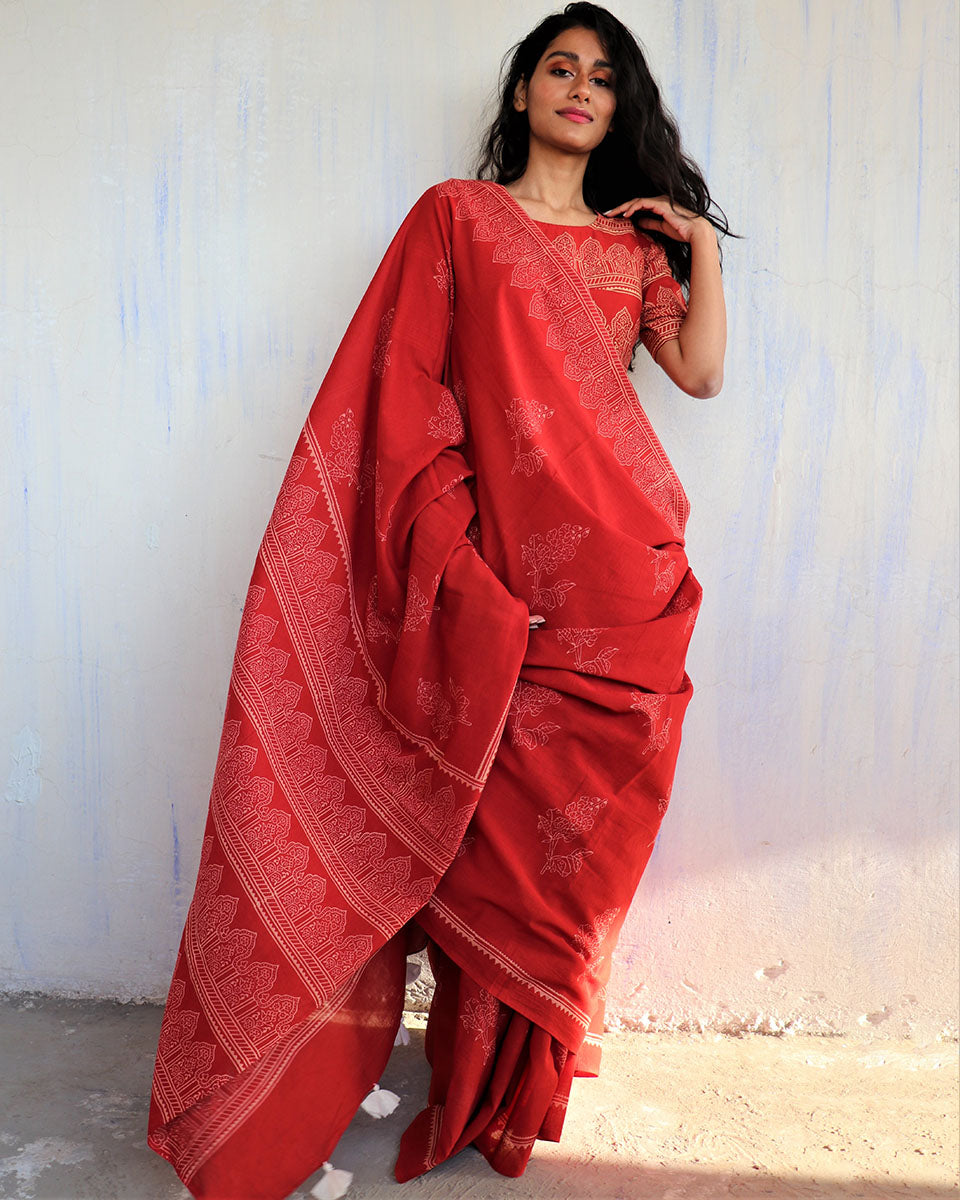

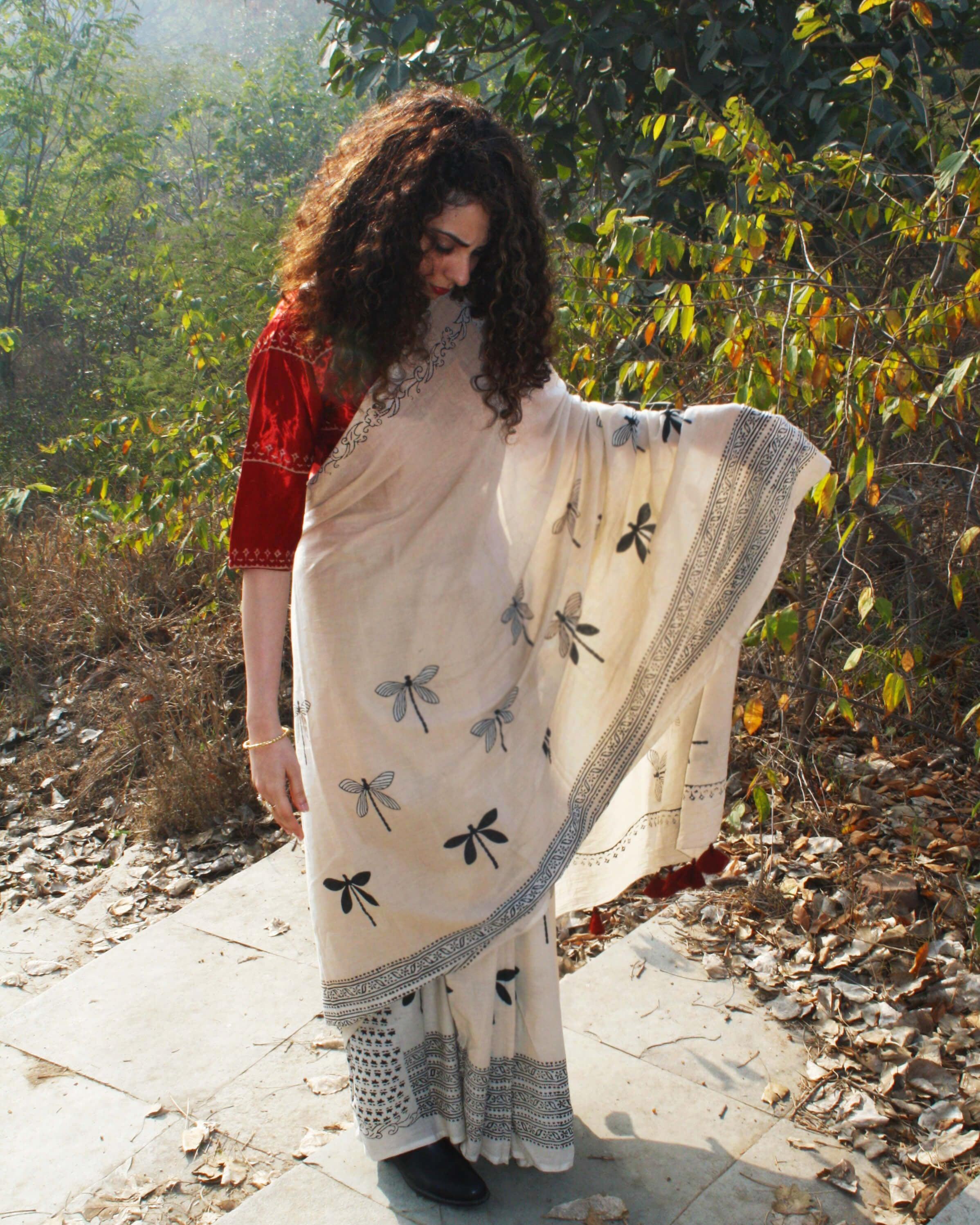


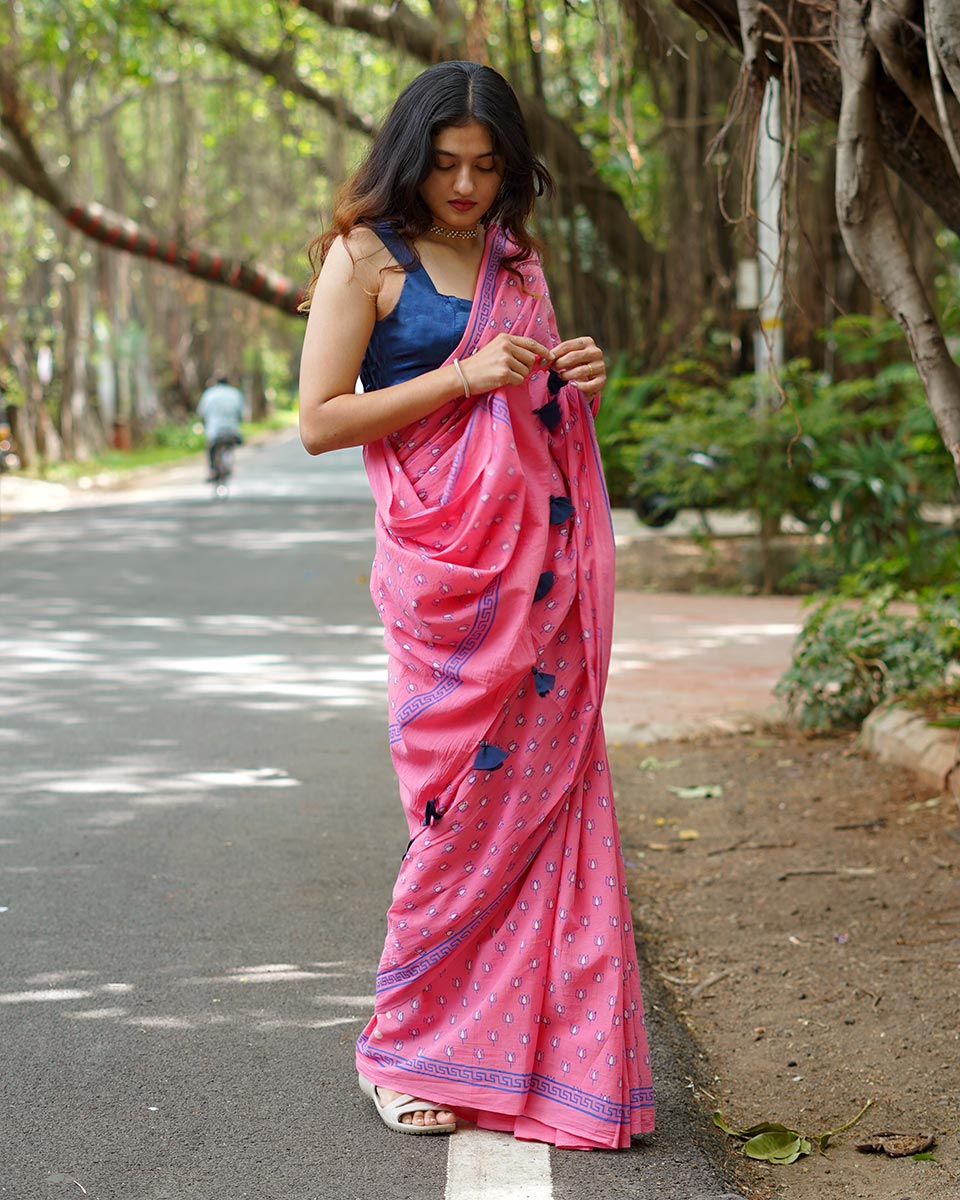
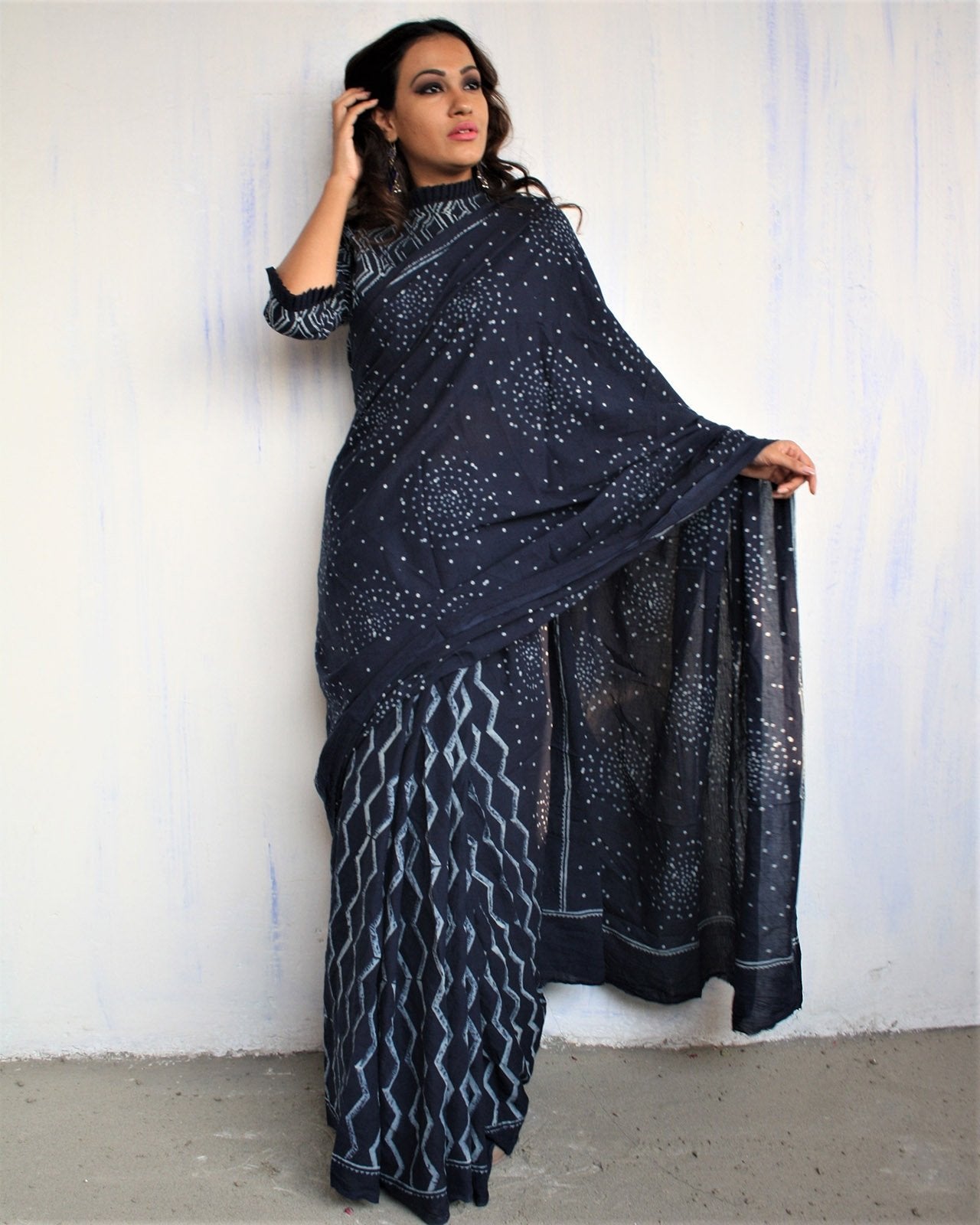

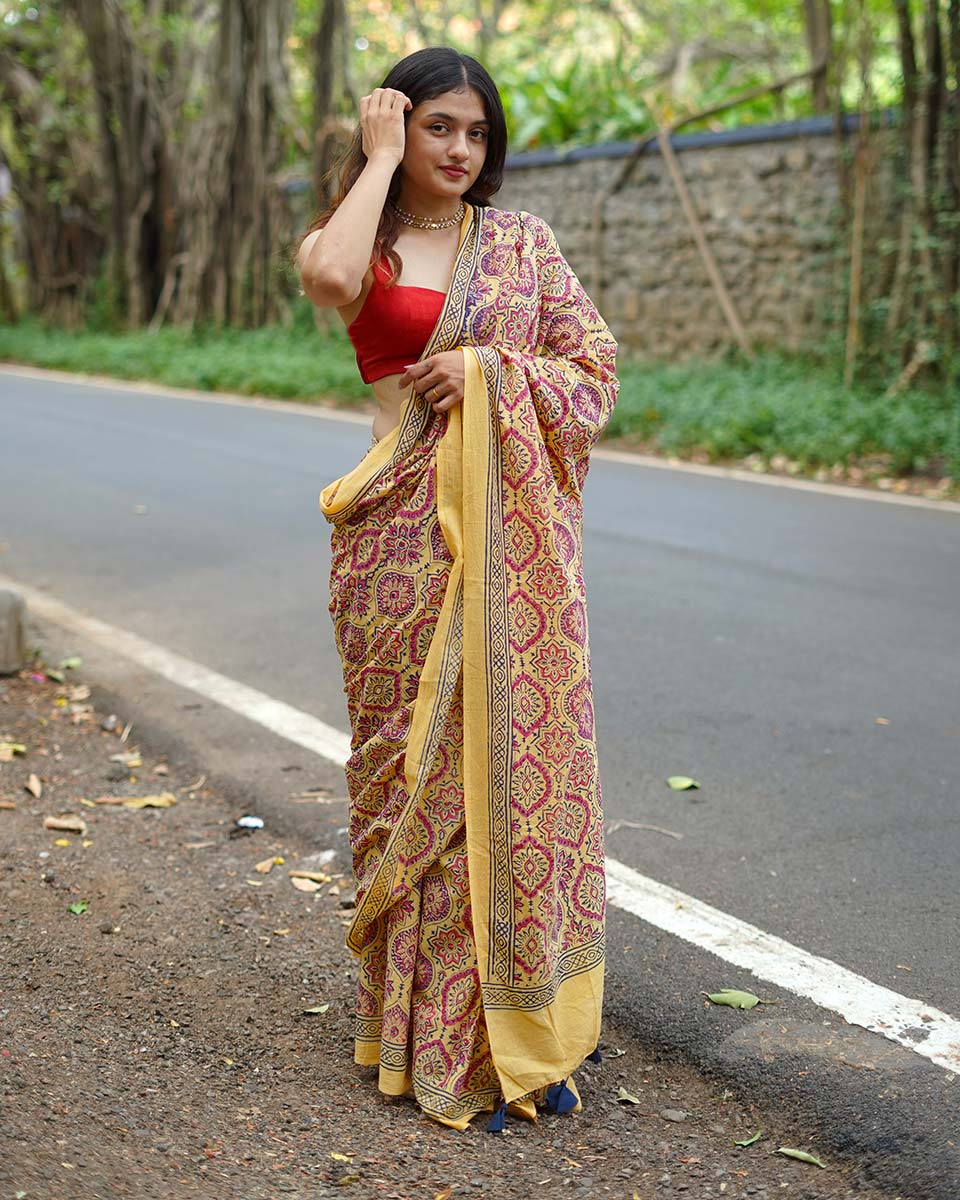
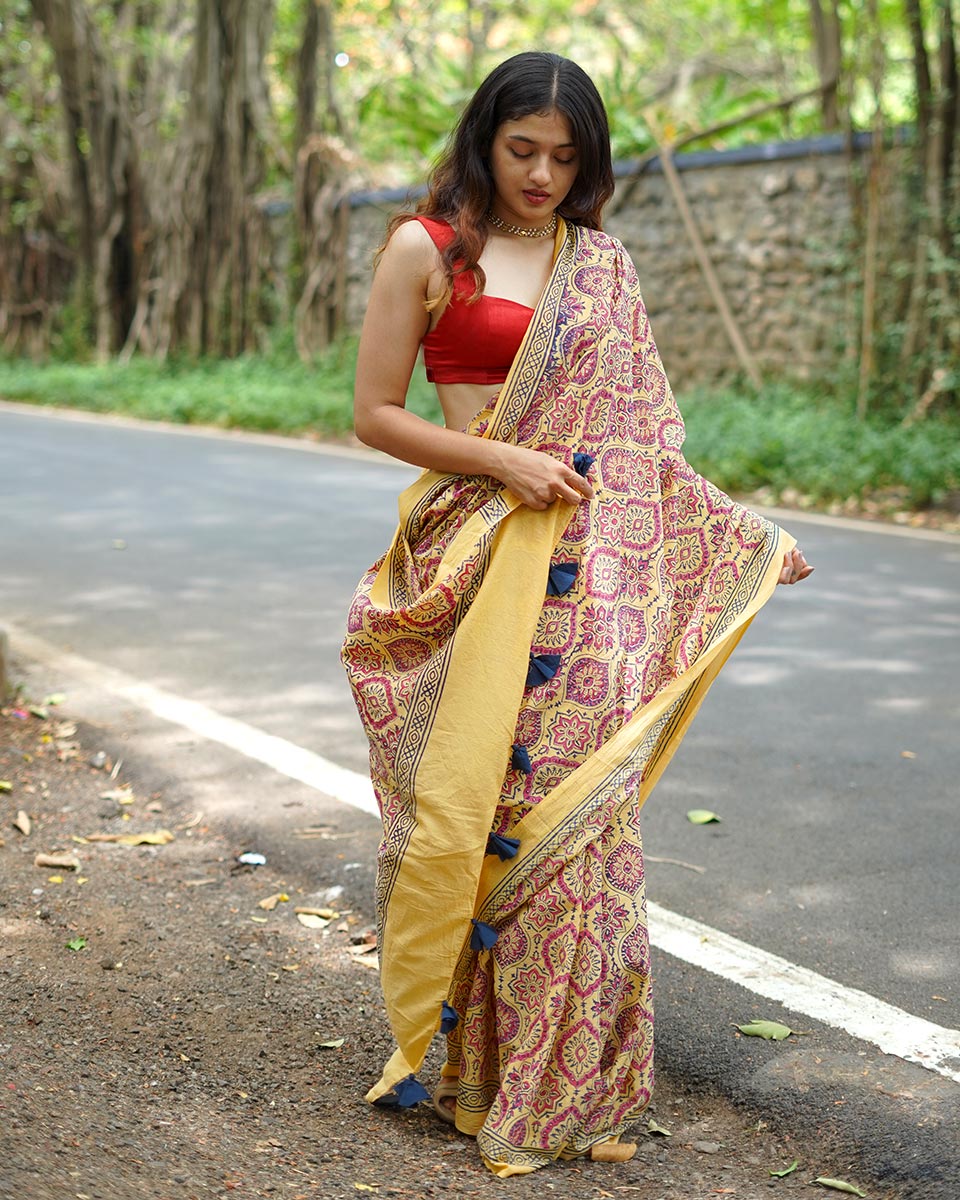
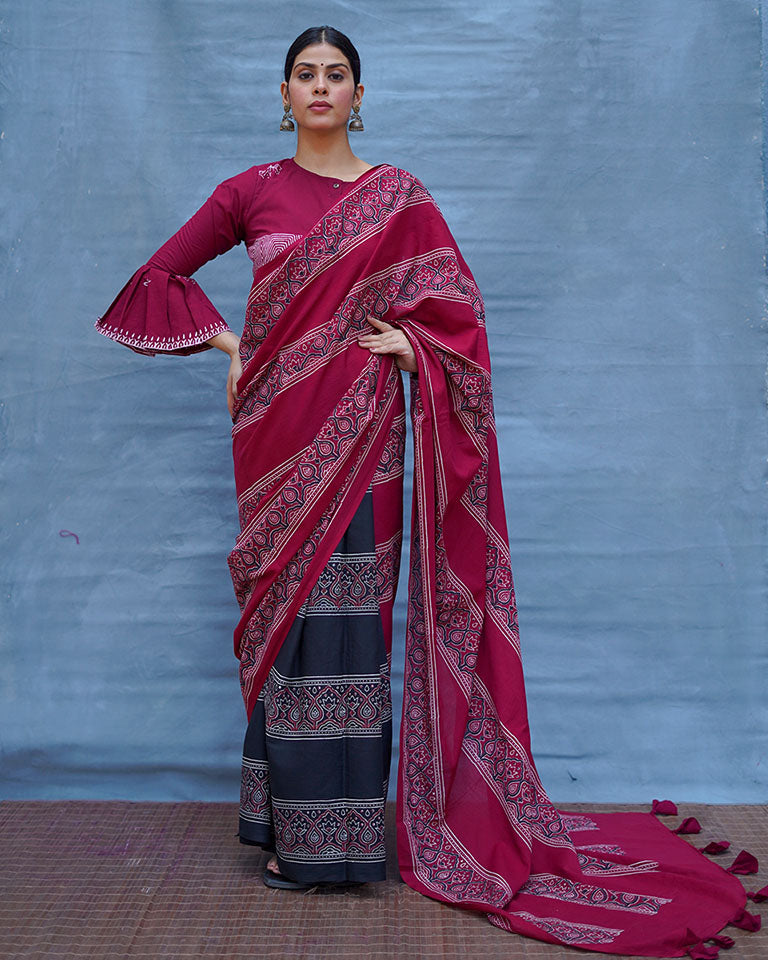

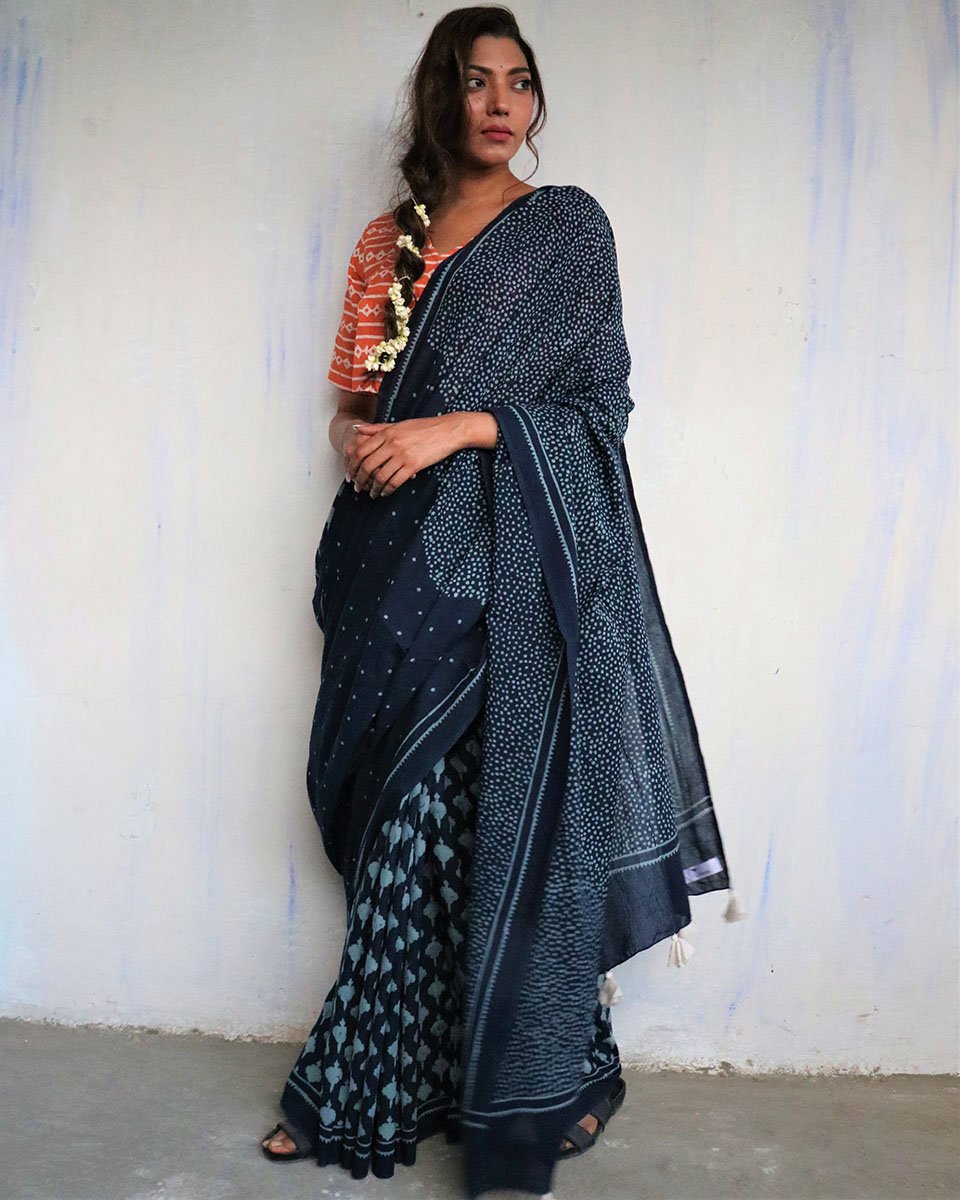
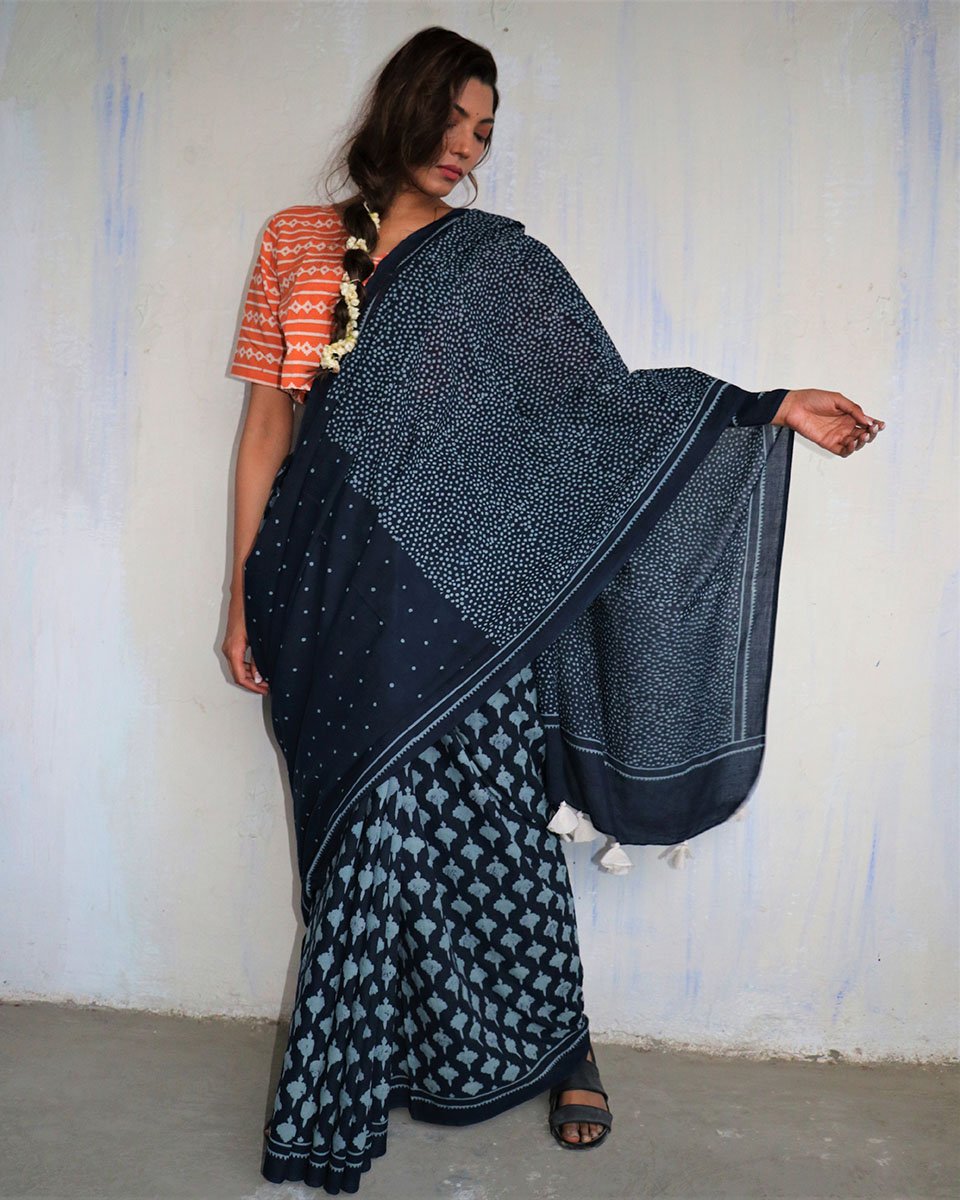
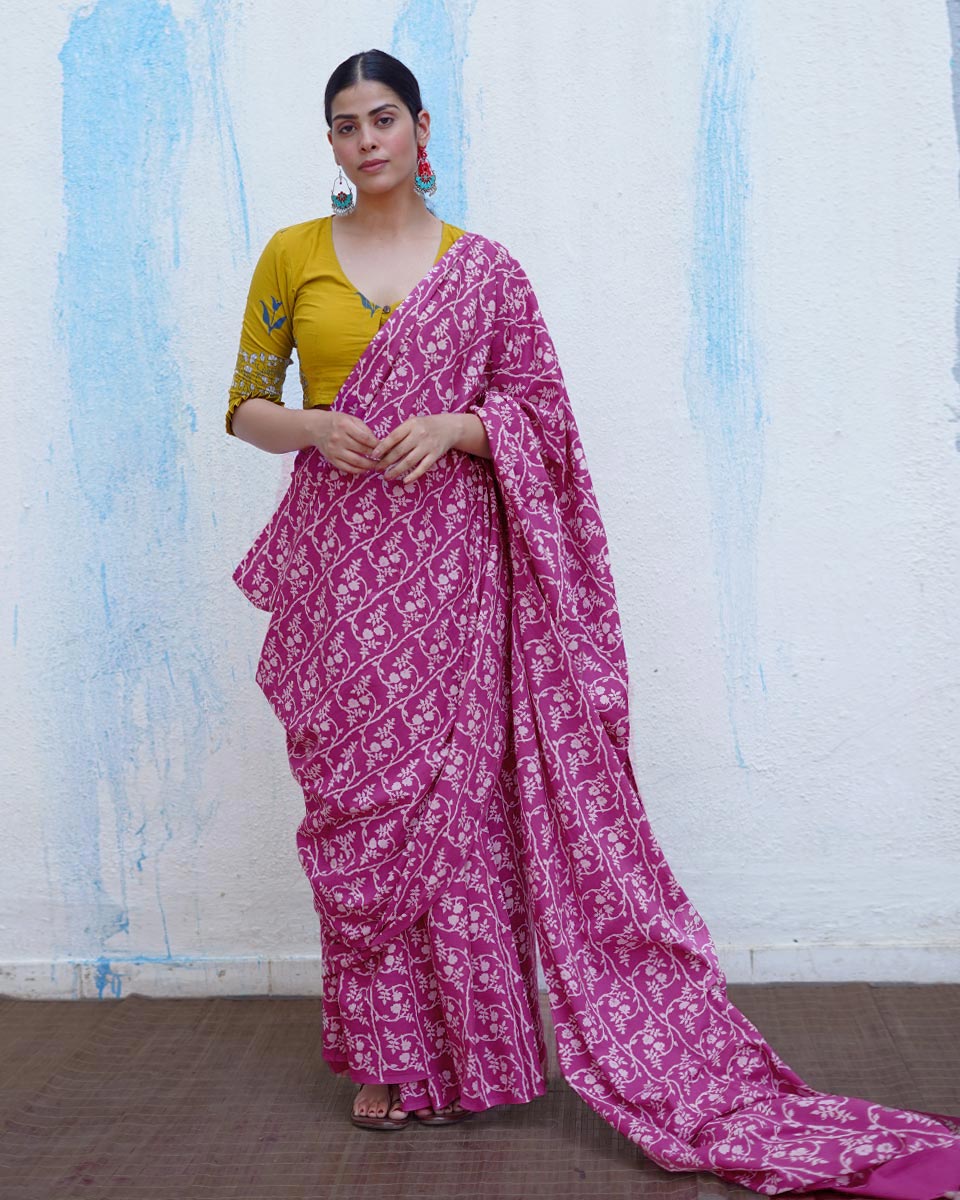
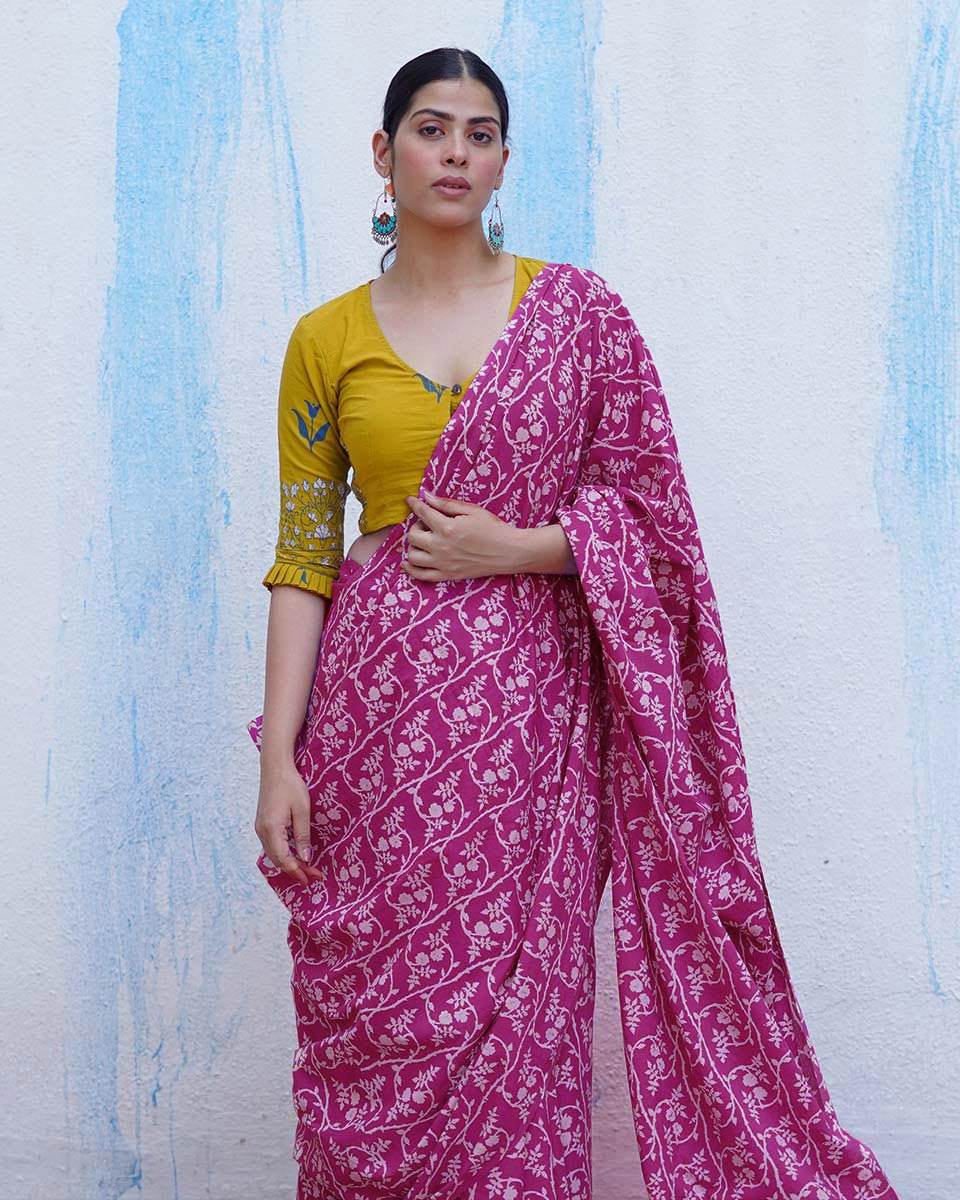
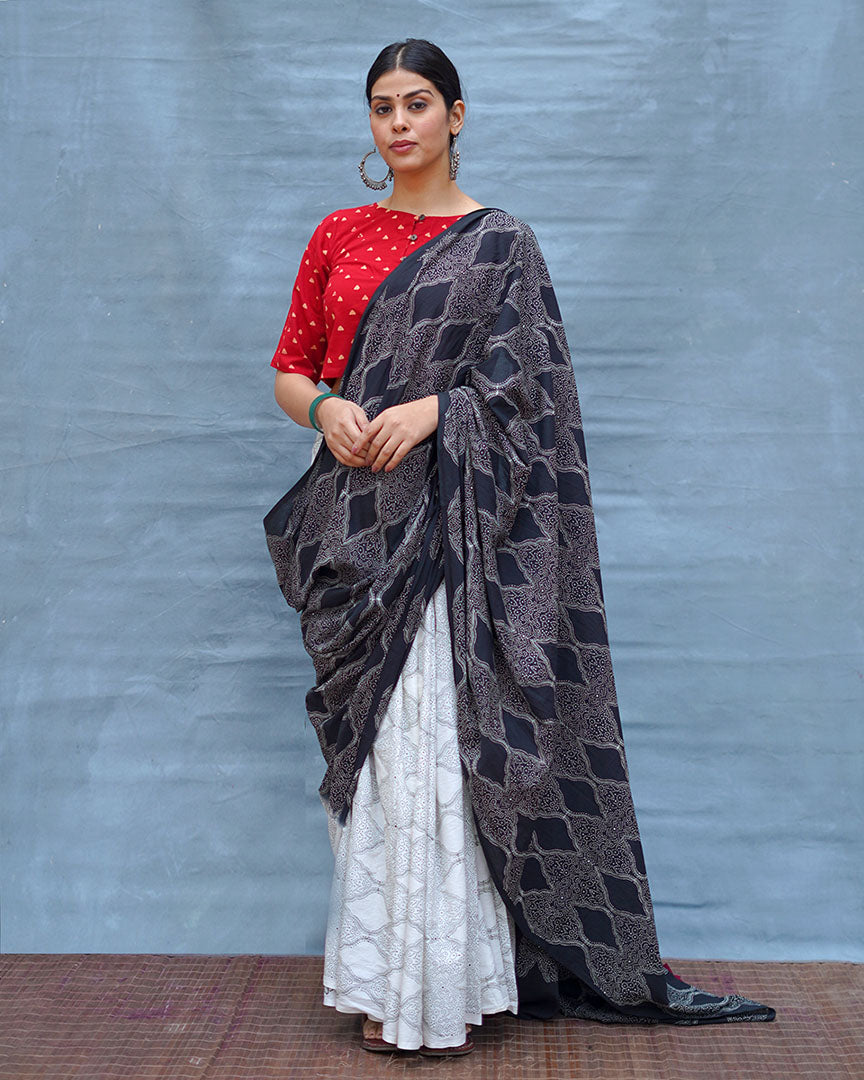
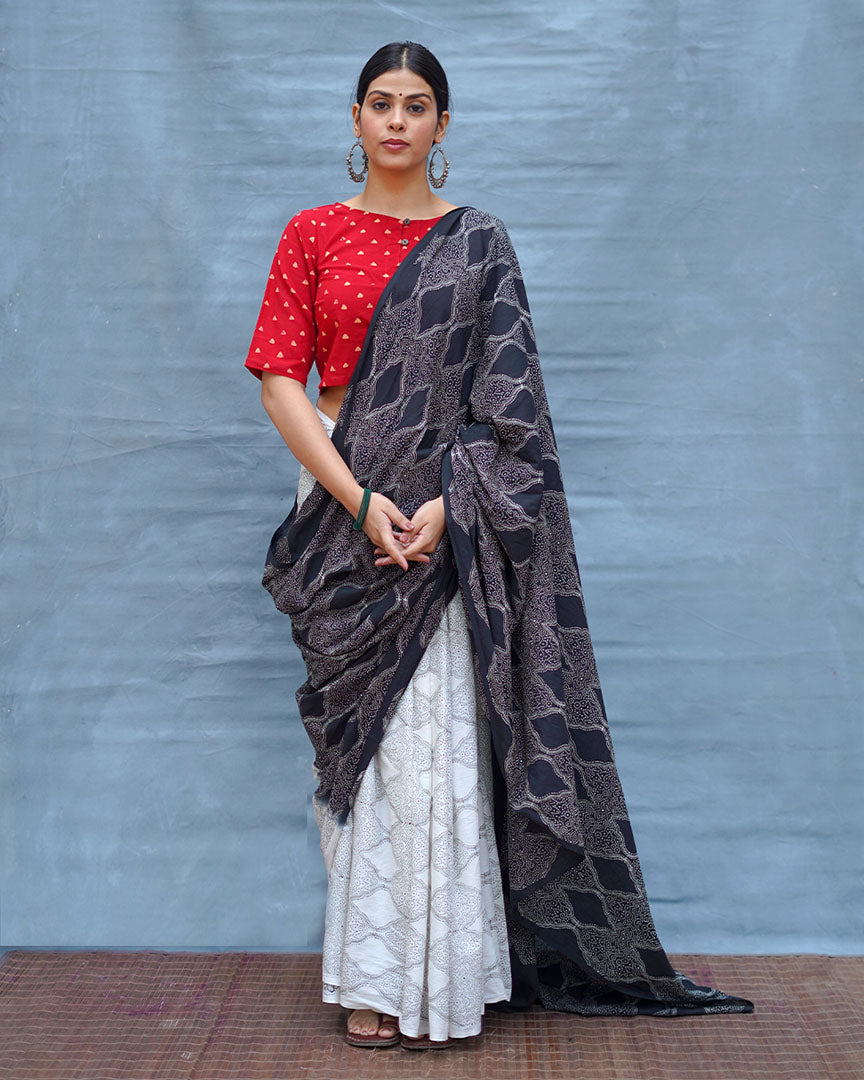


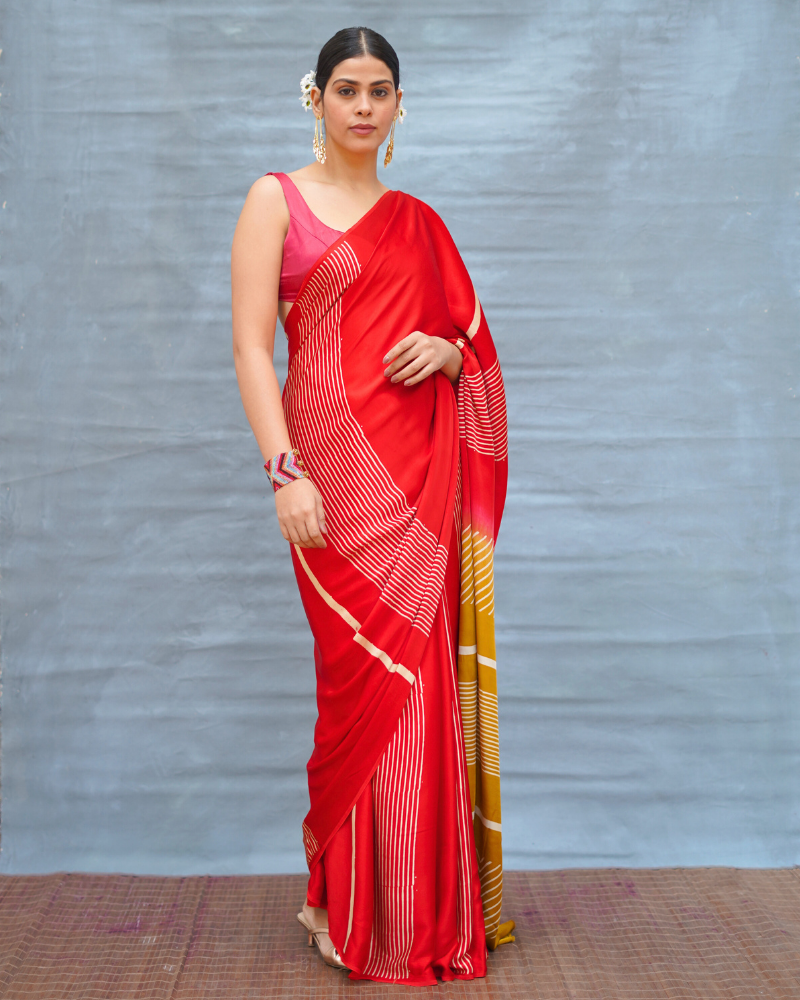
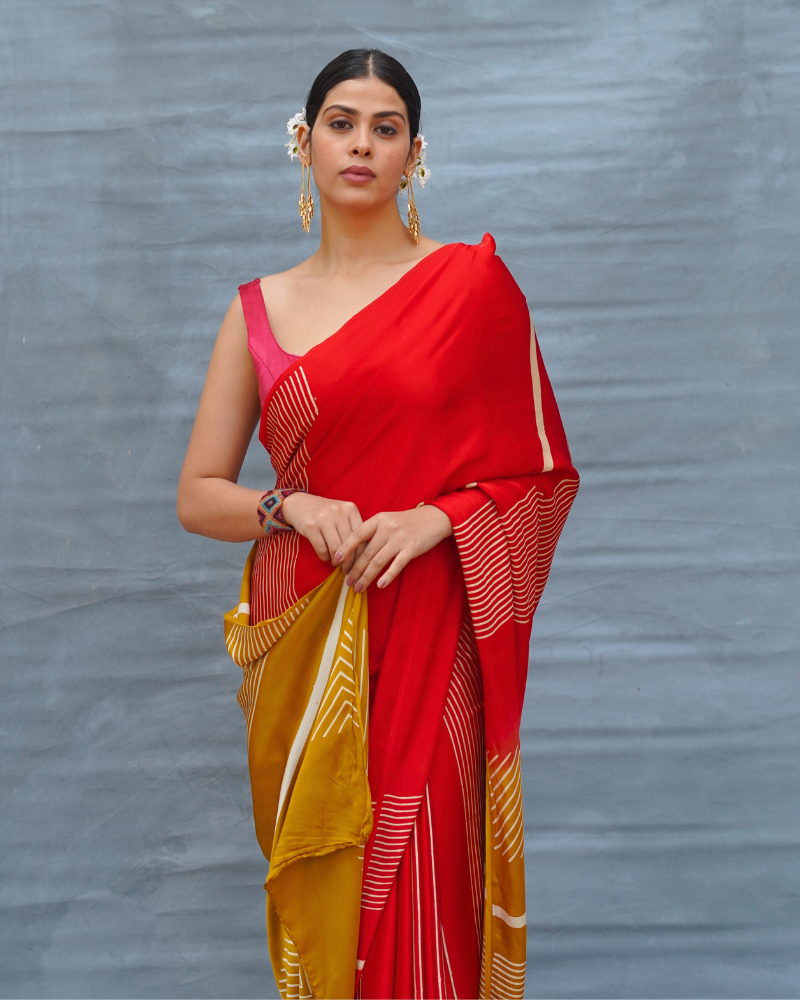
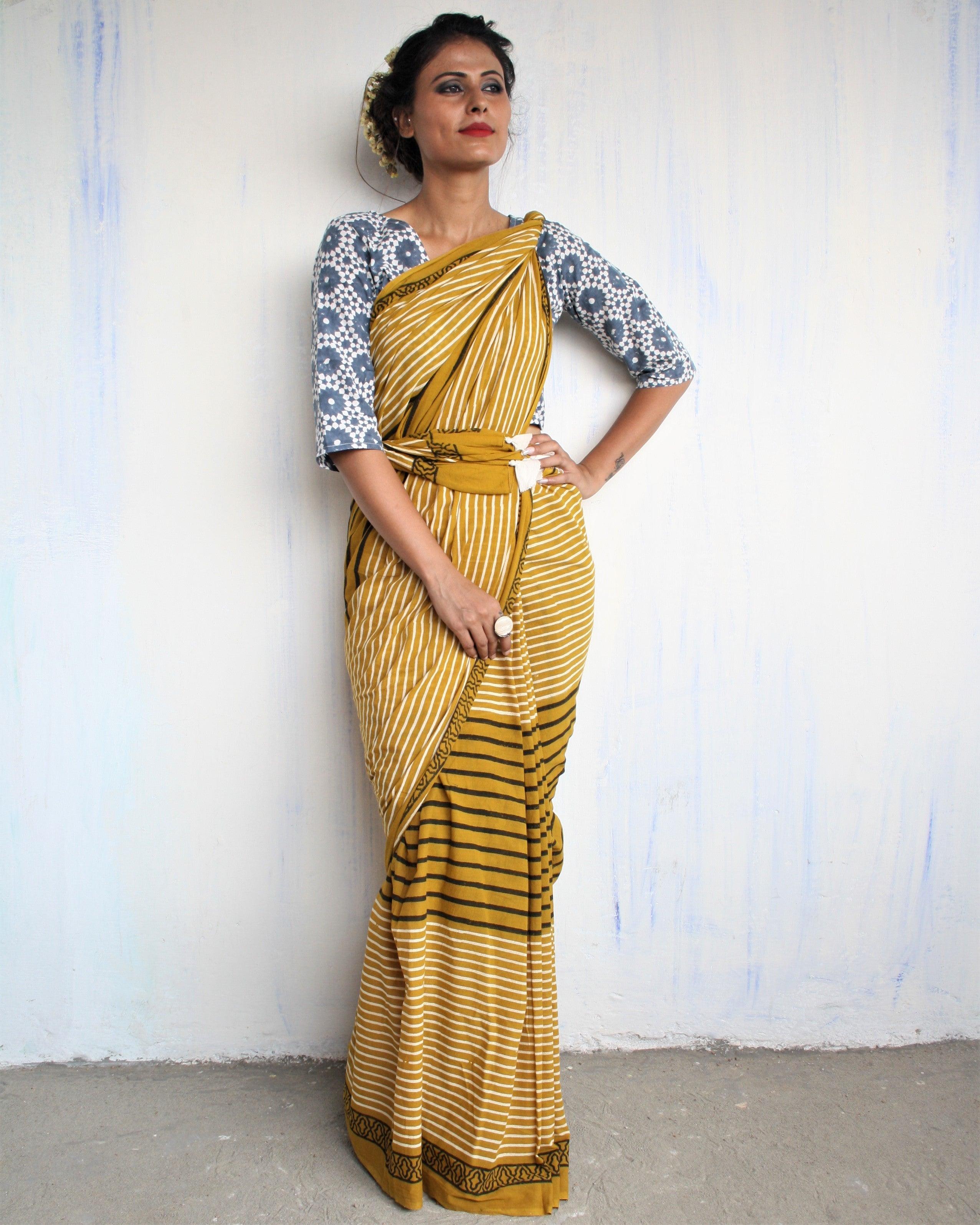
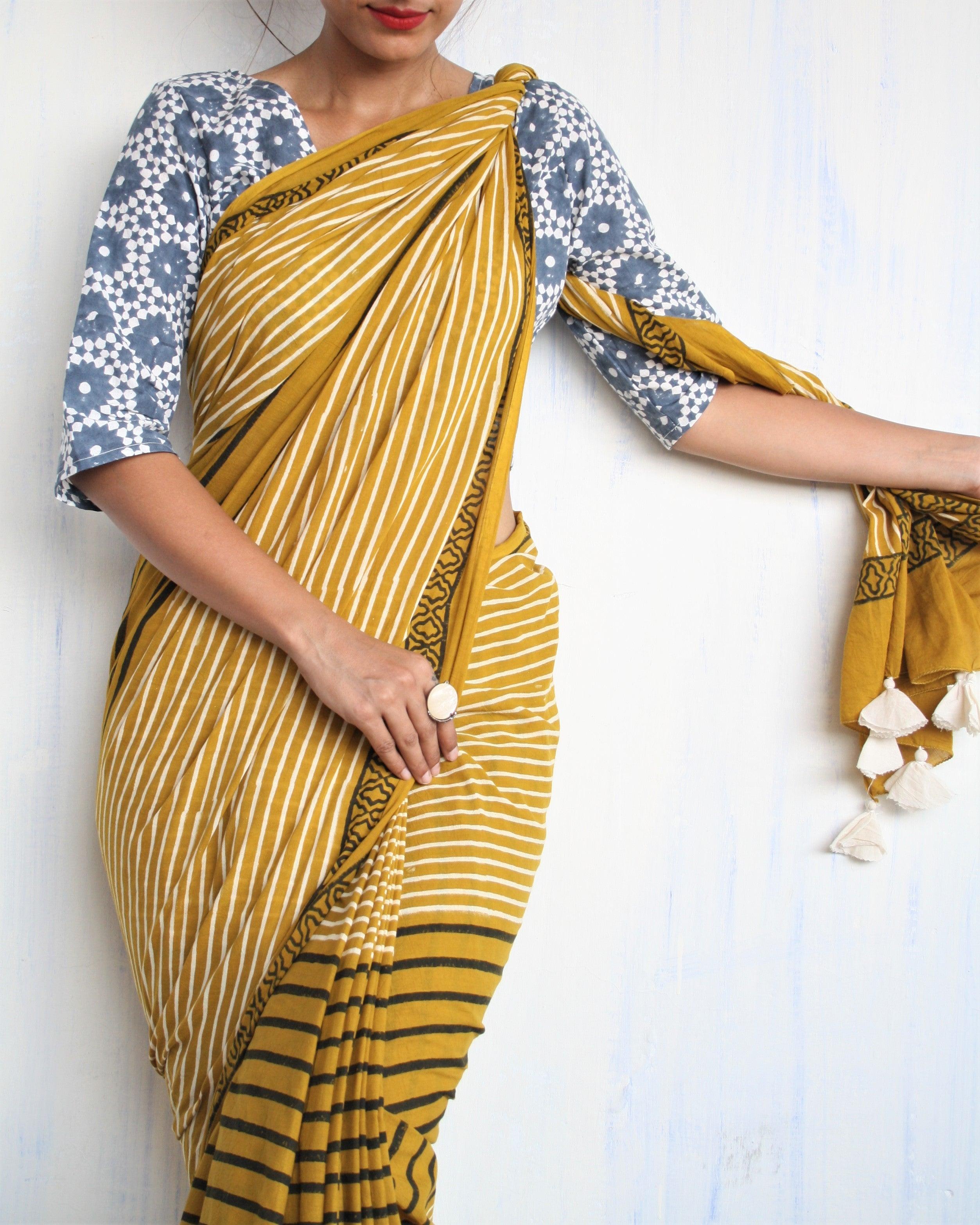
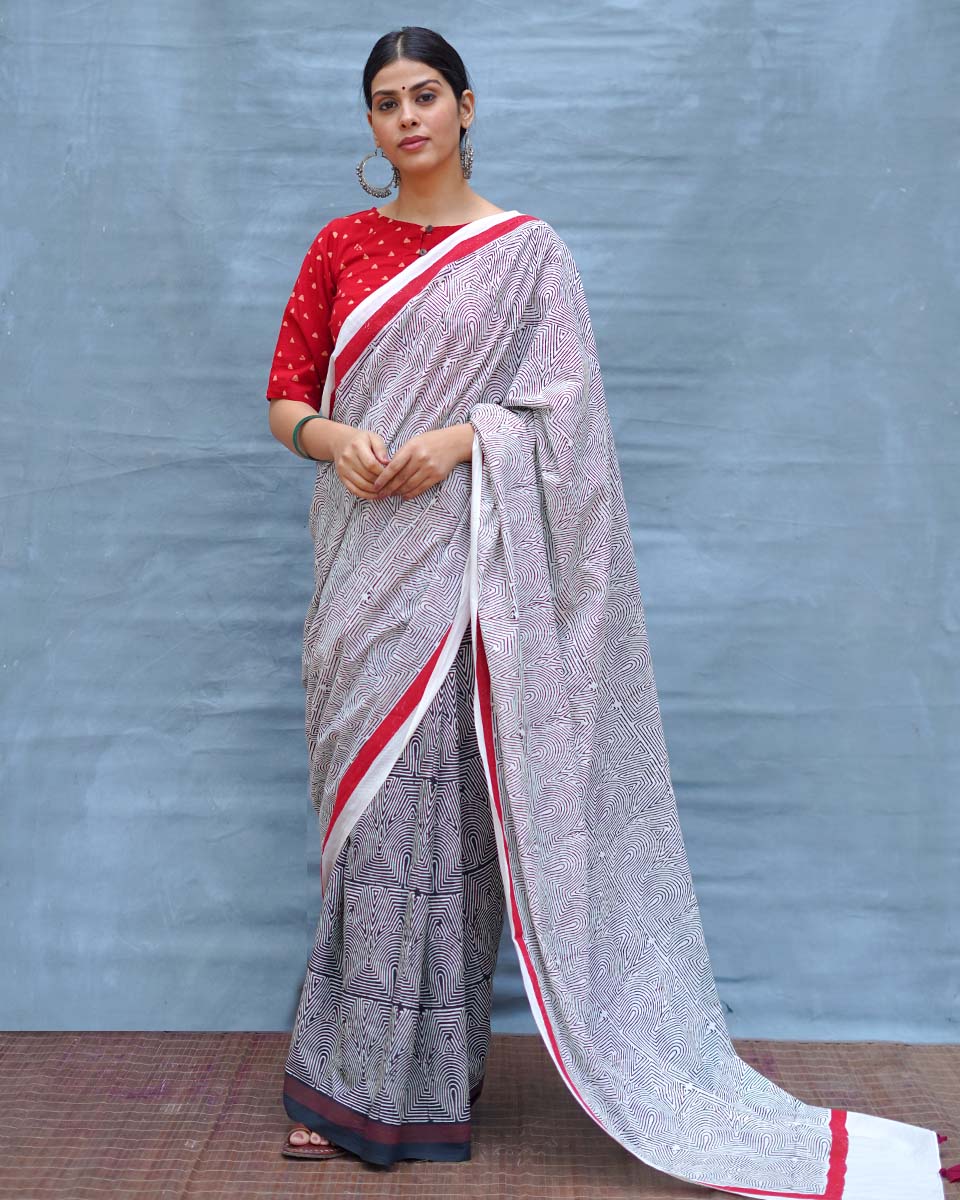
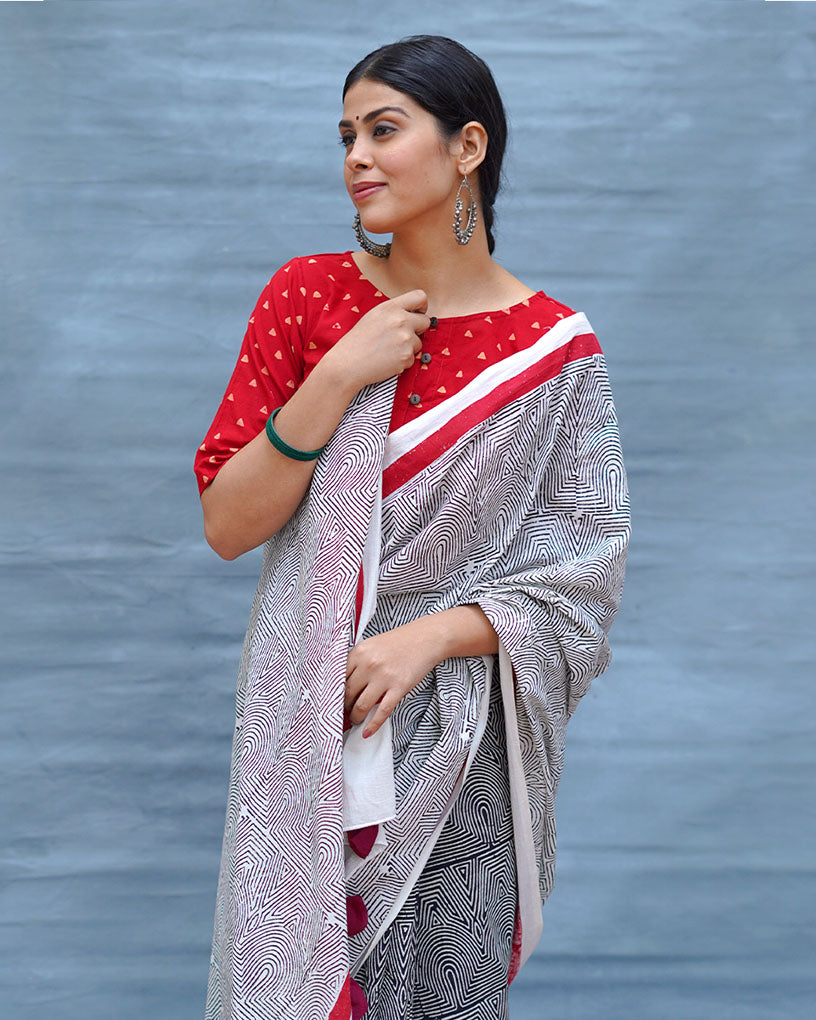
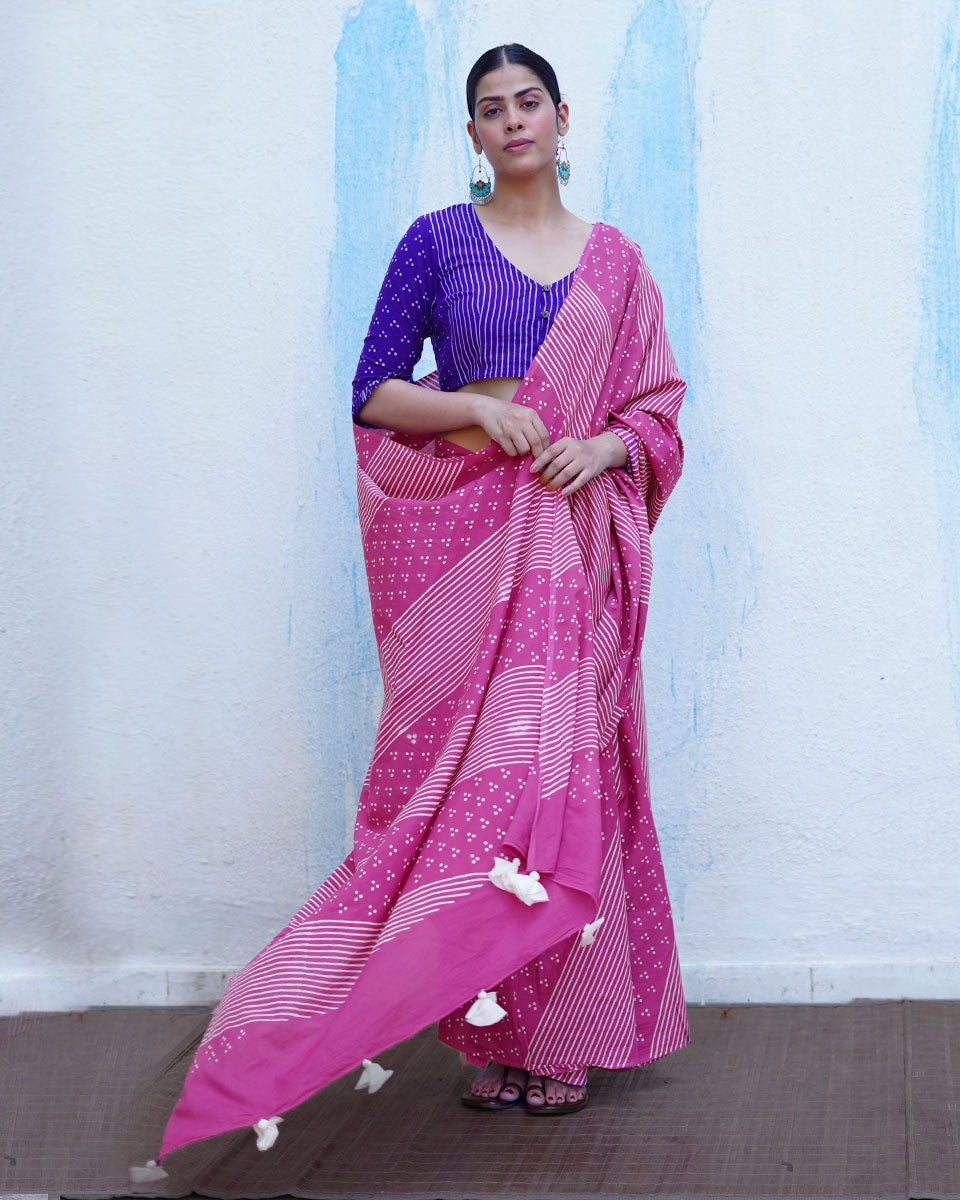
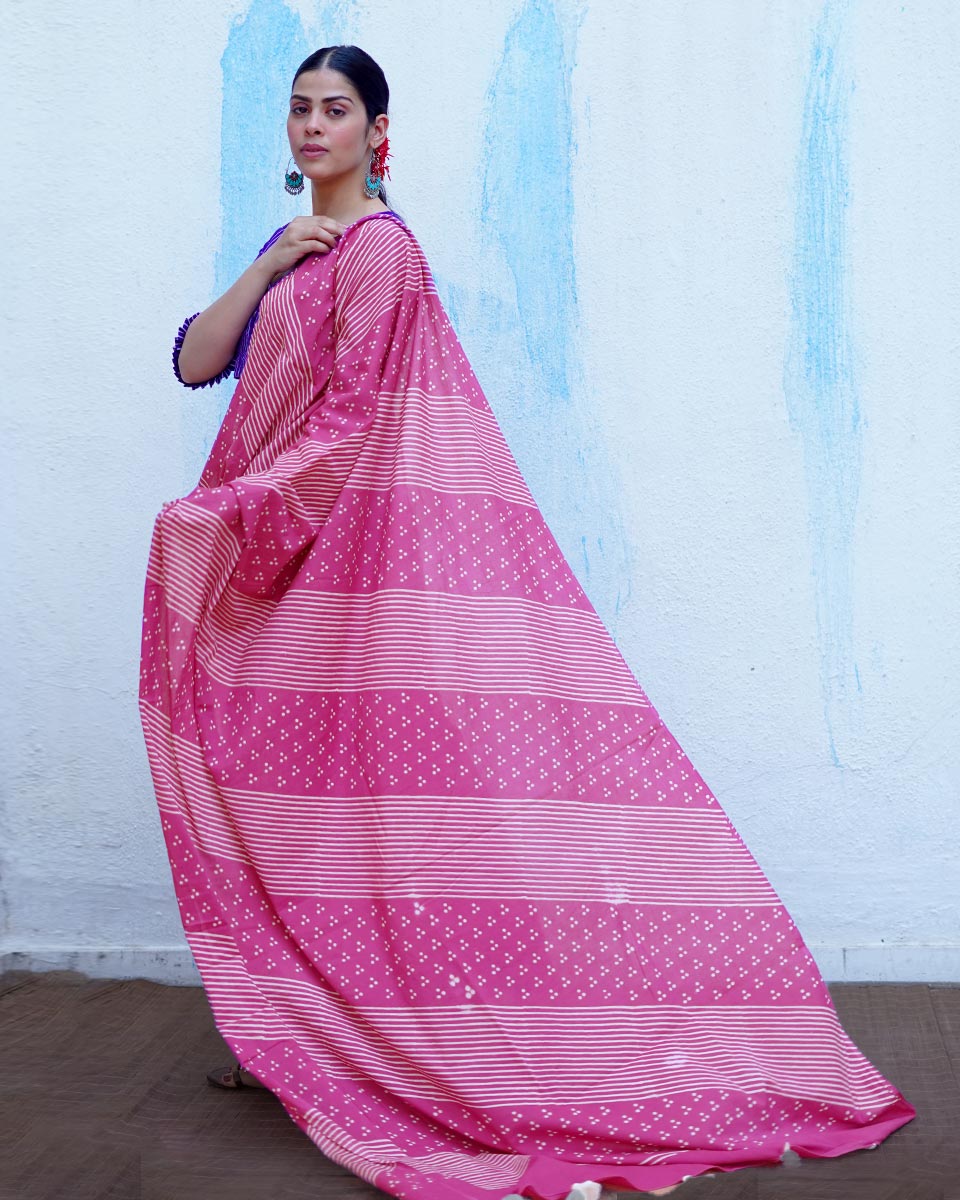
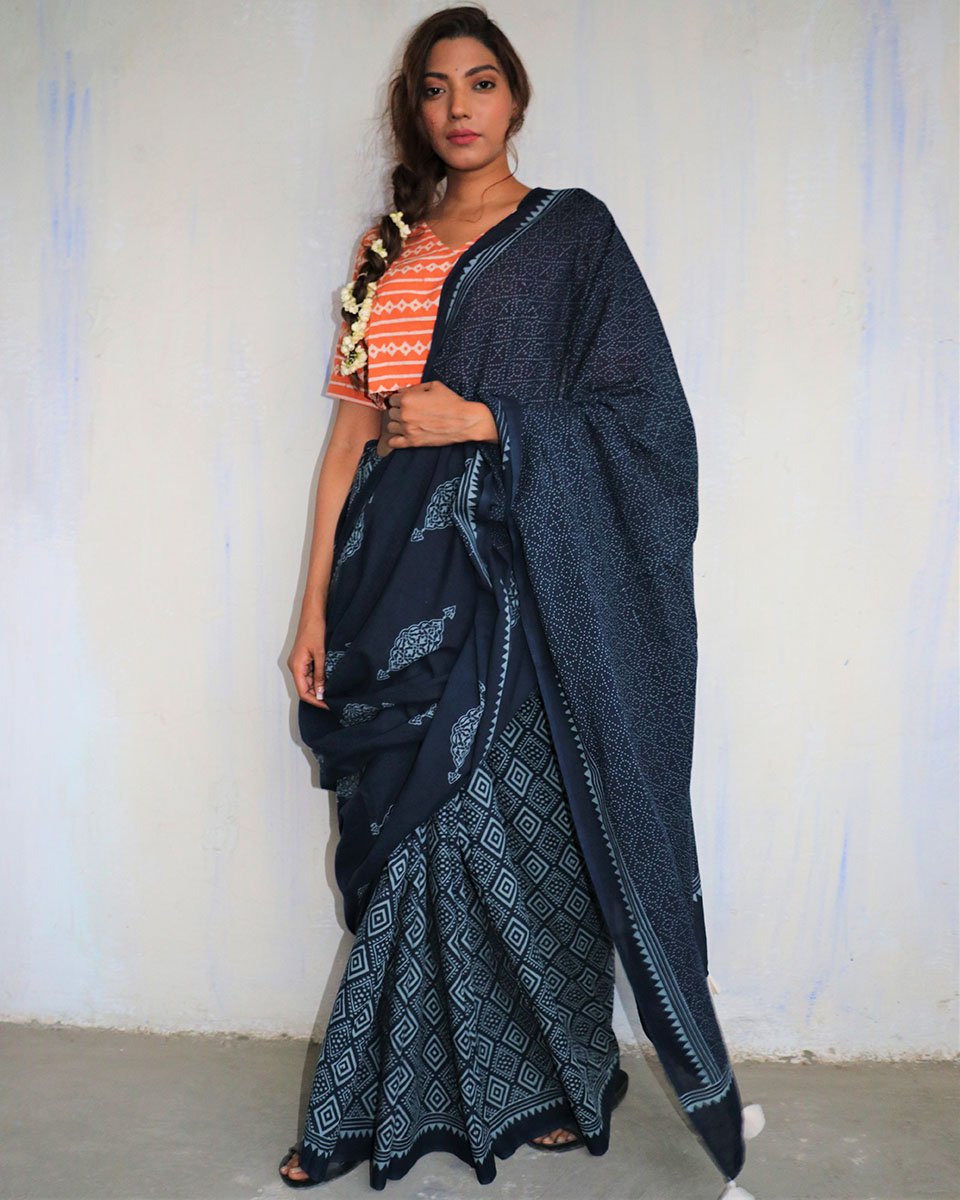


Sarees: The Eternal Symbol of Grace and Elegance
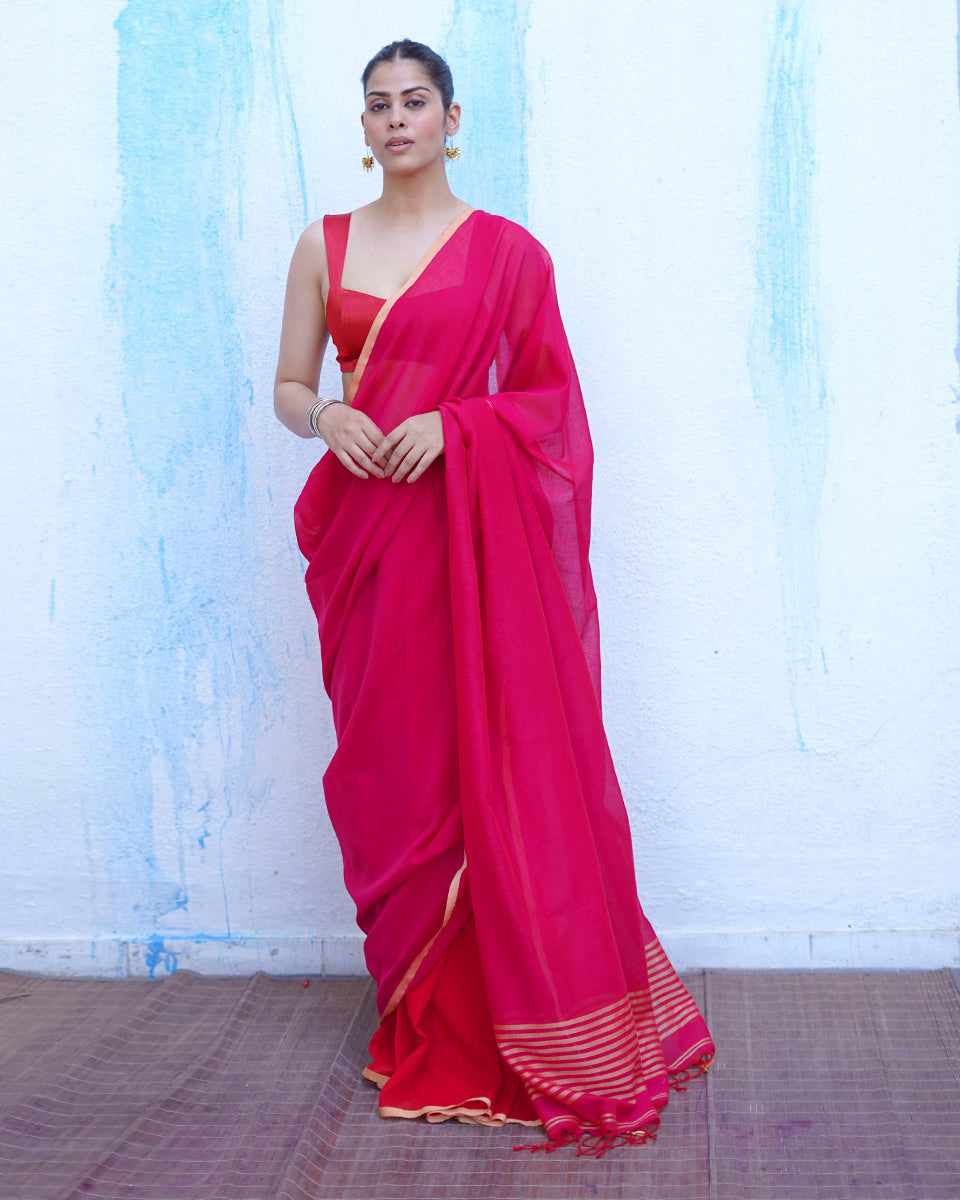
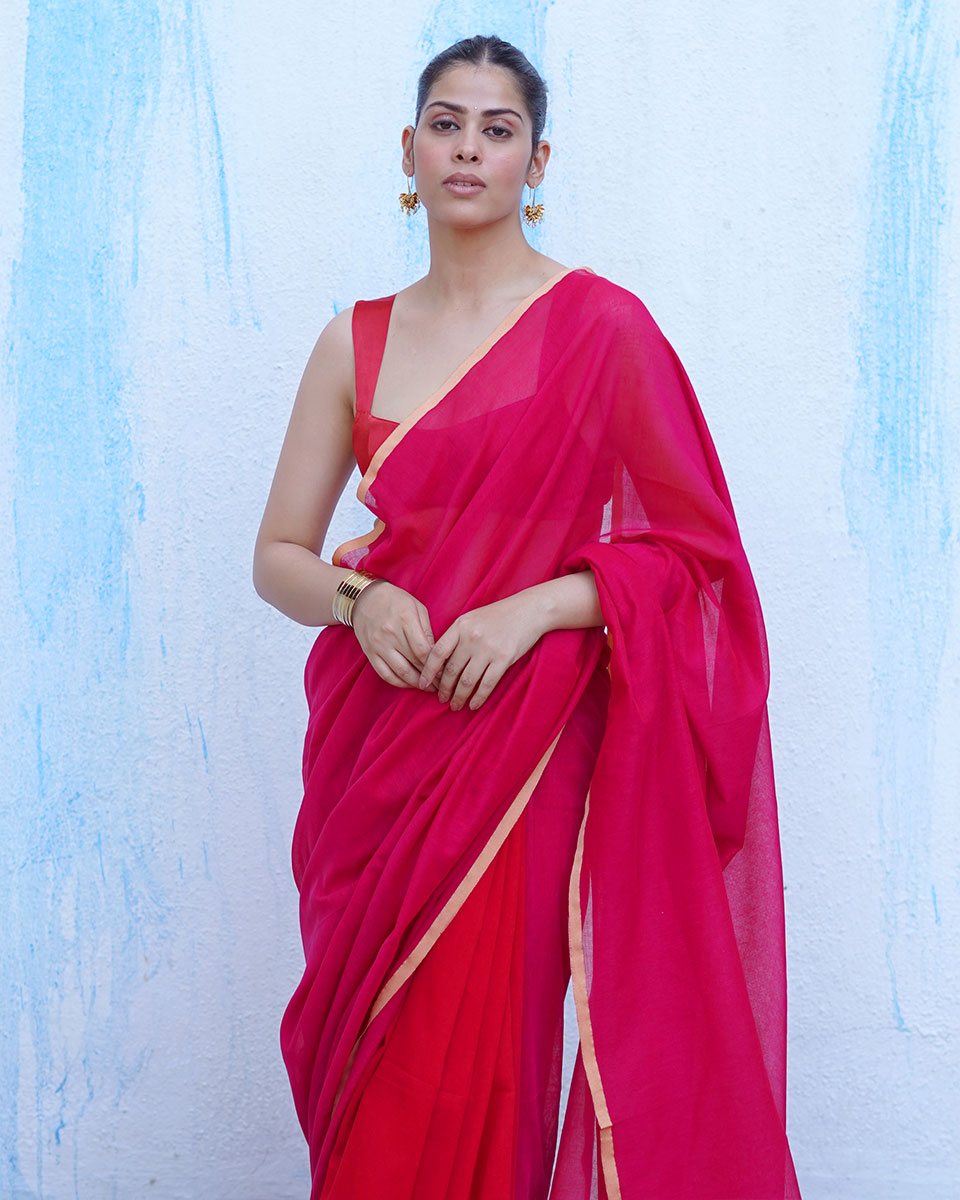
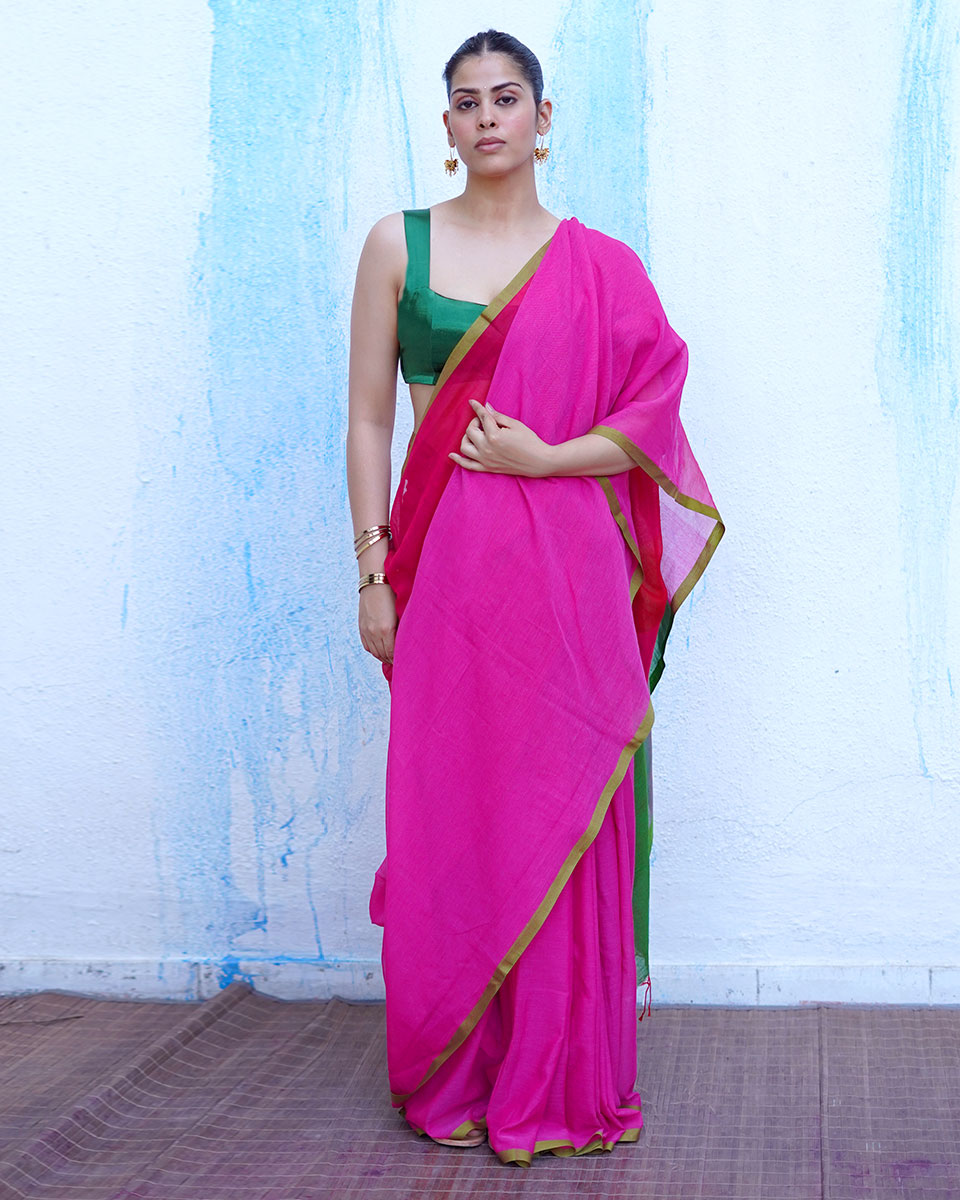
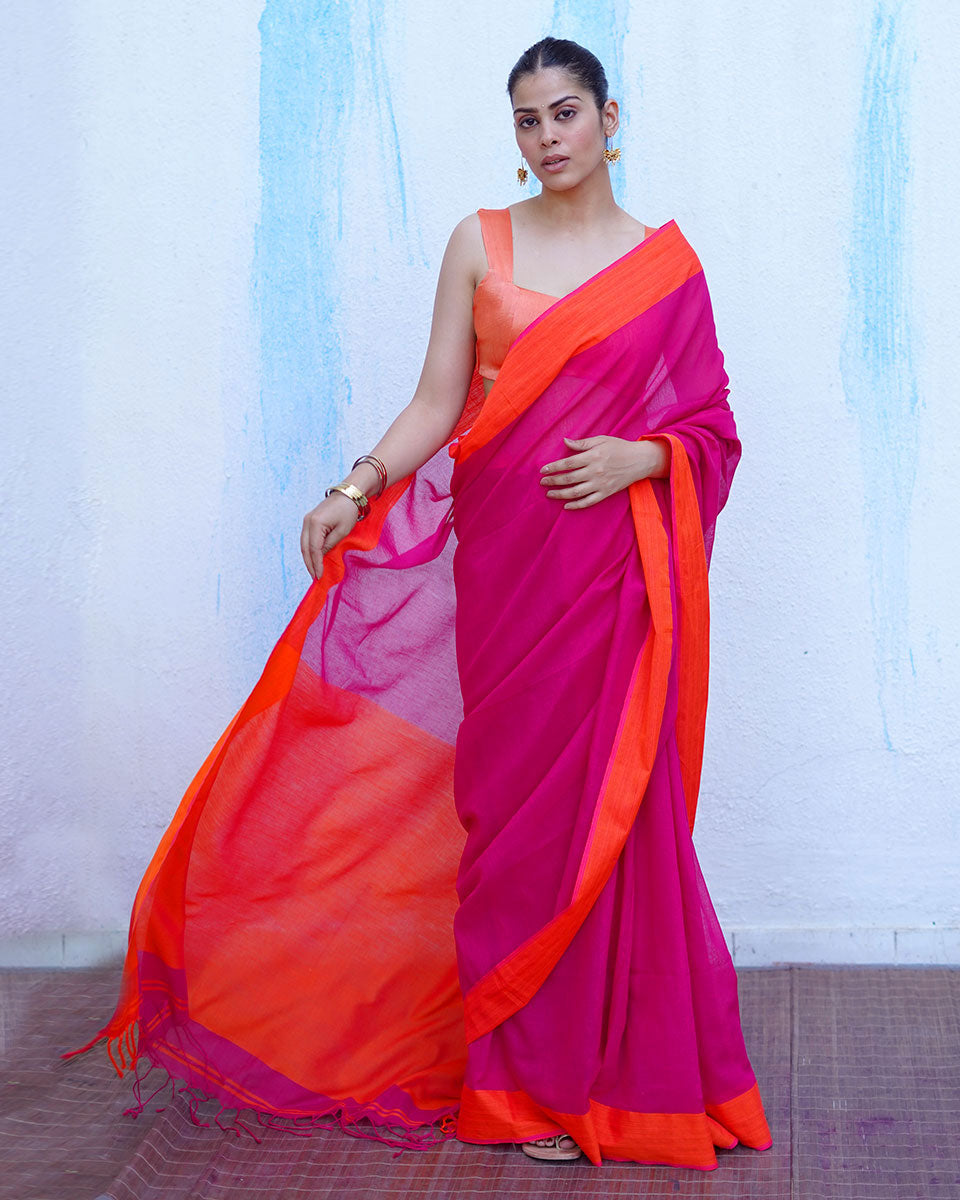
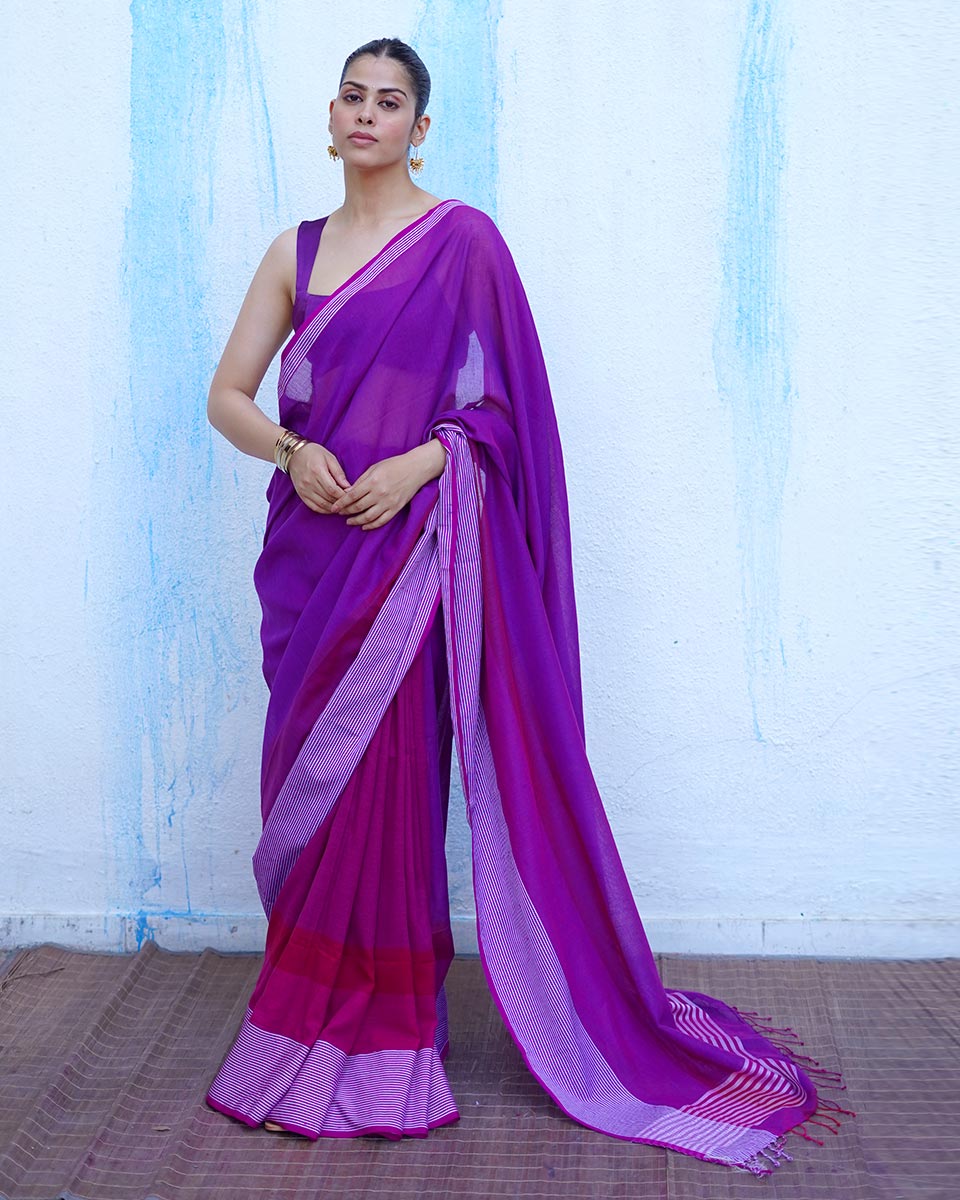
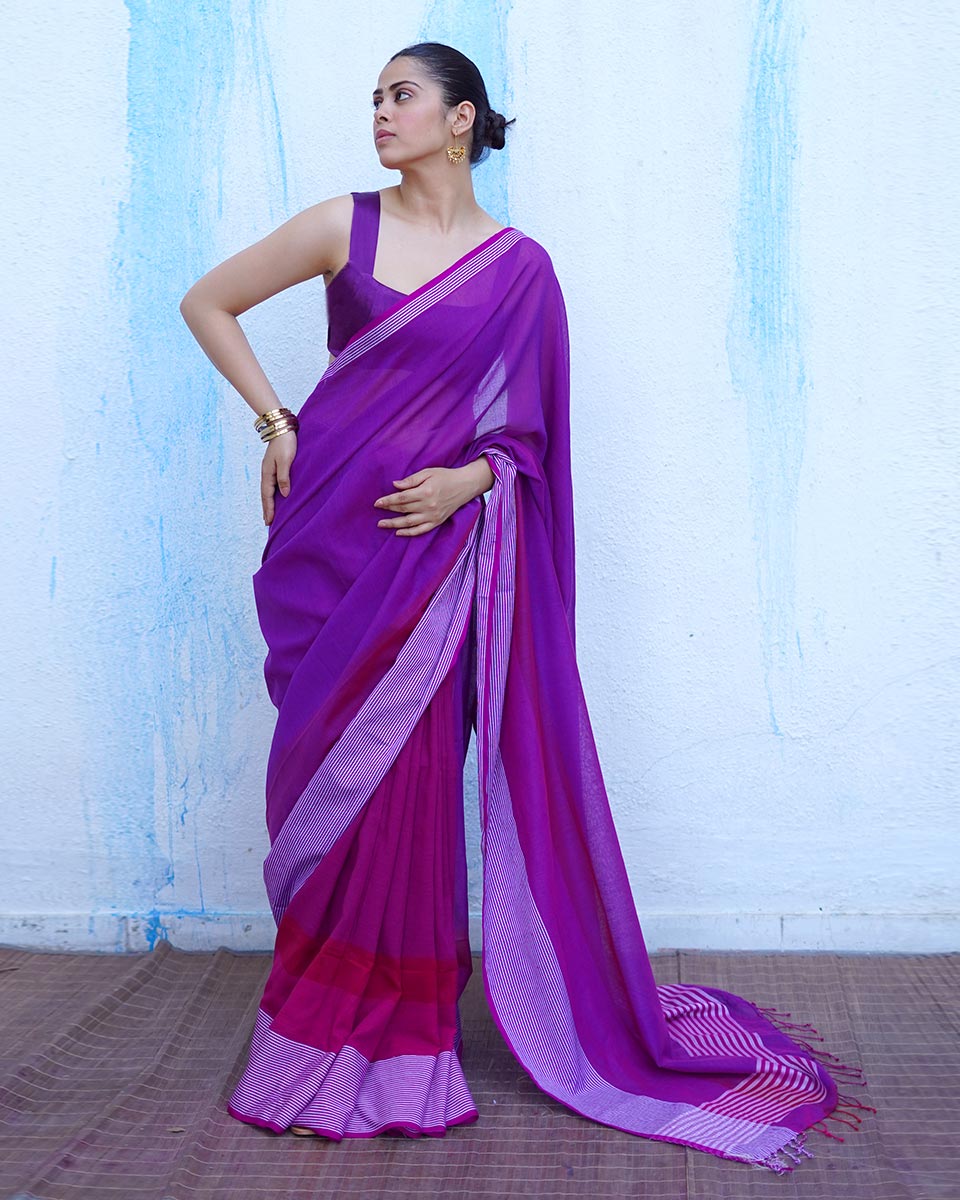
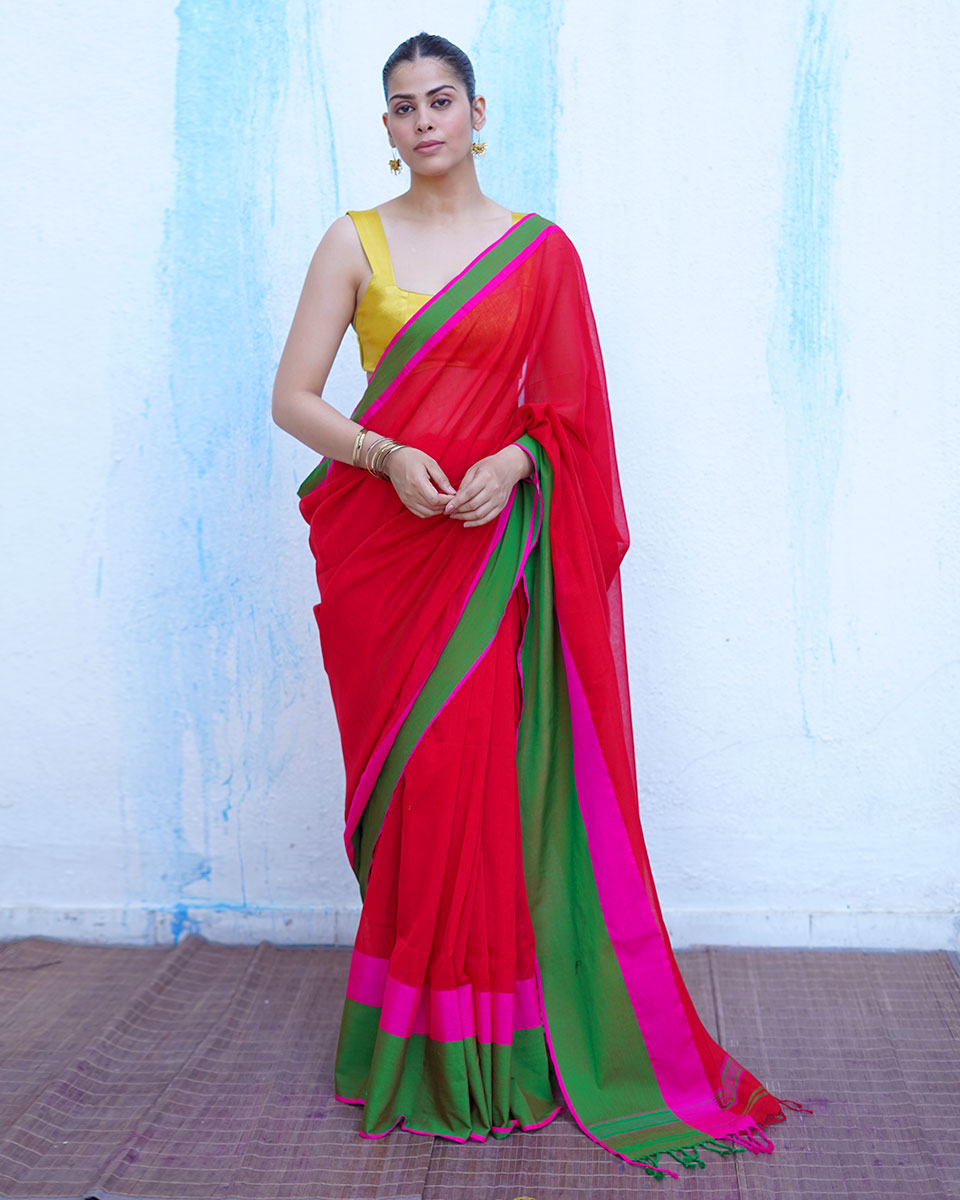
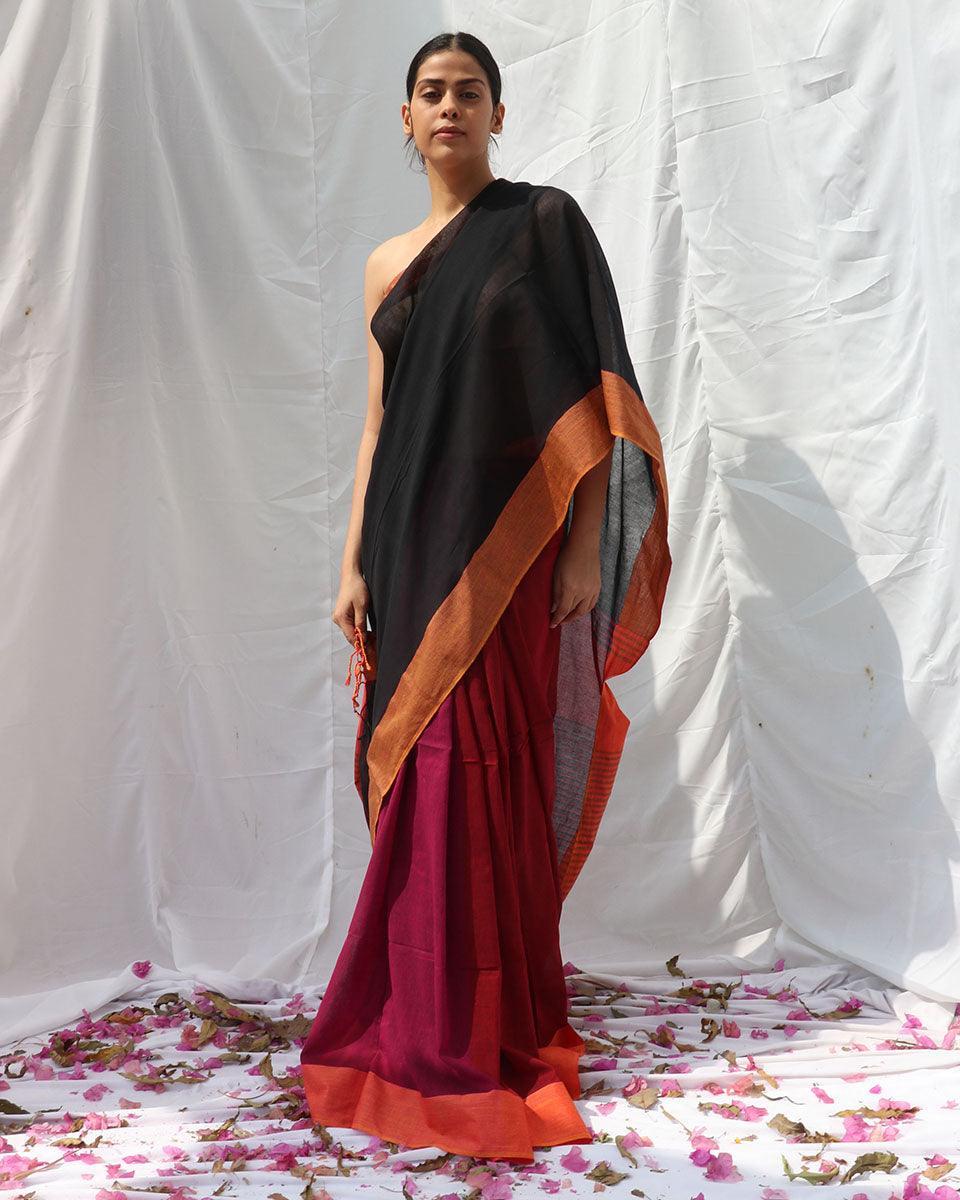
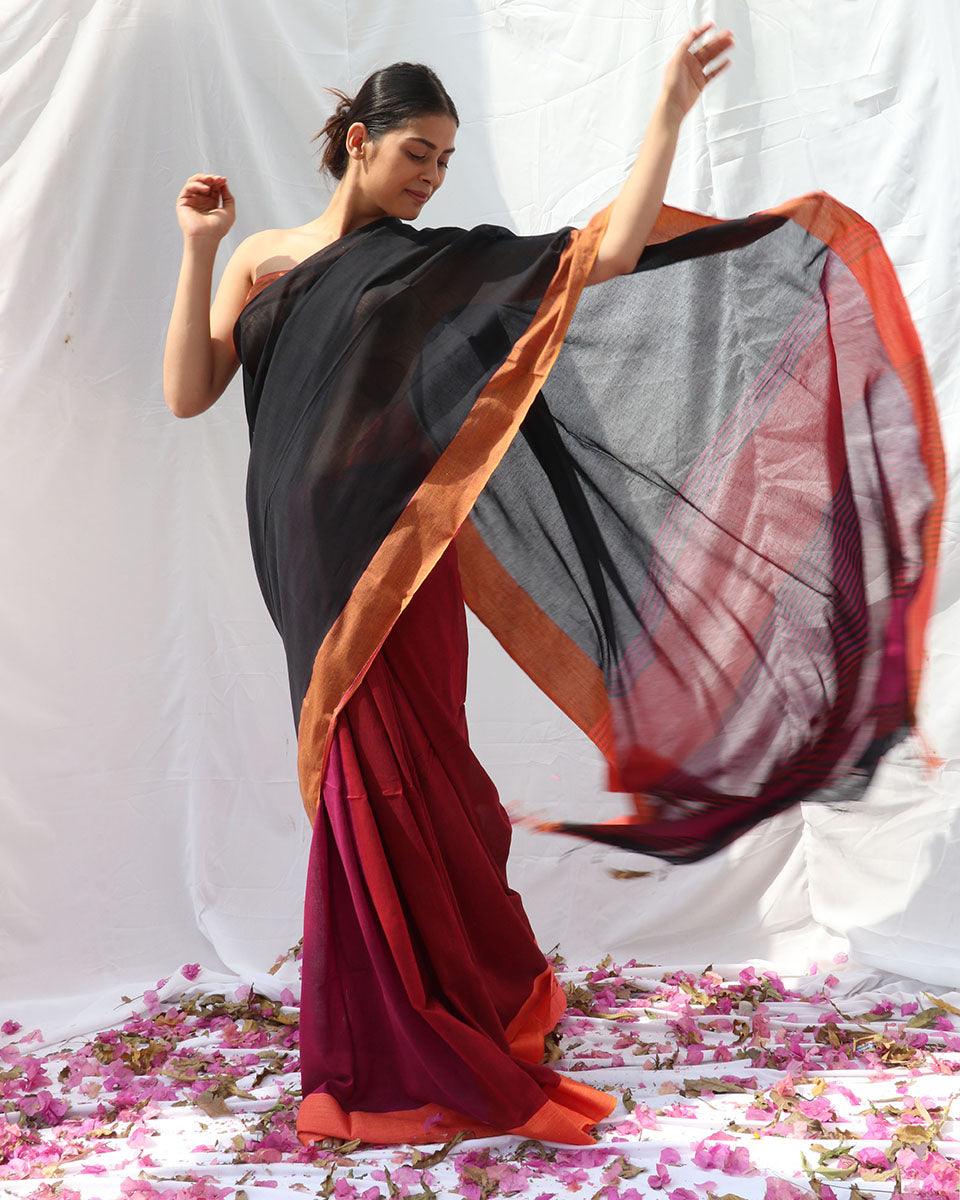
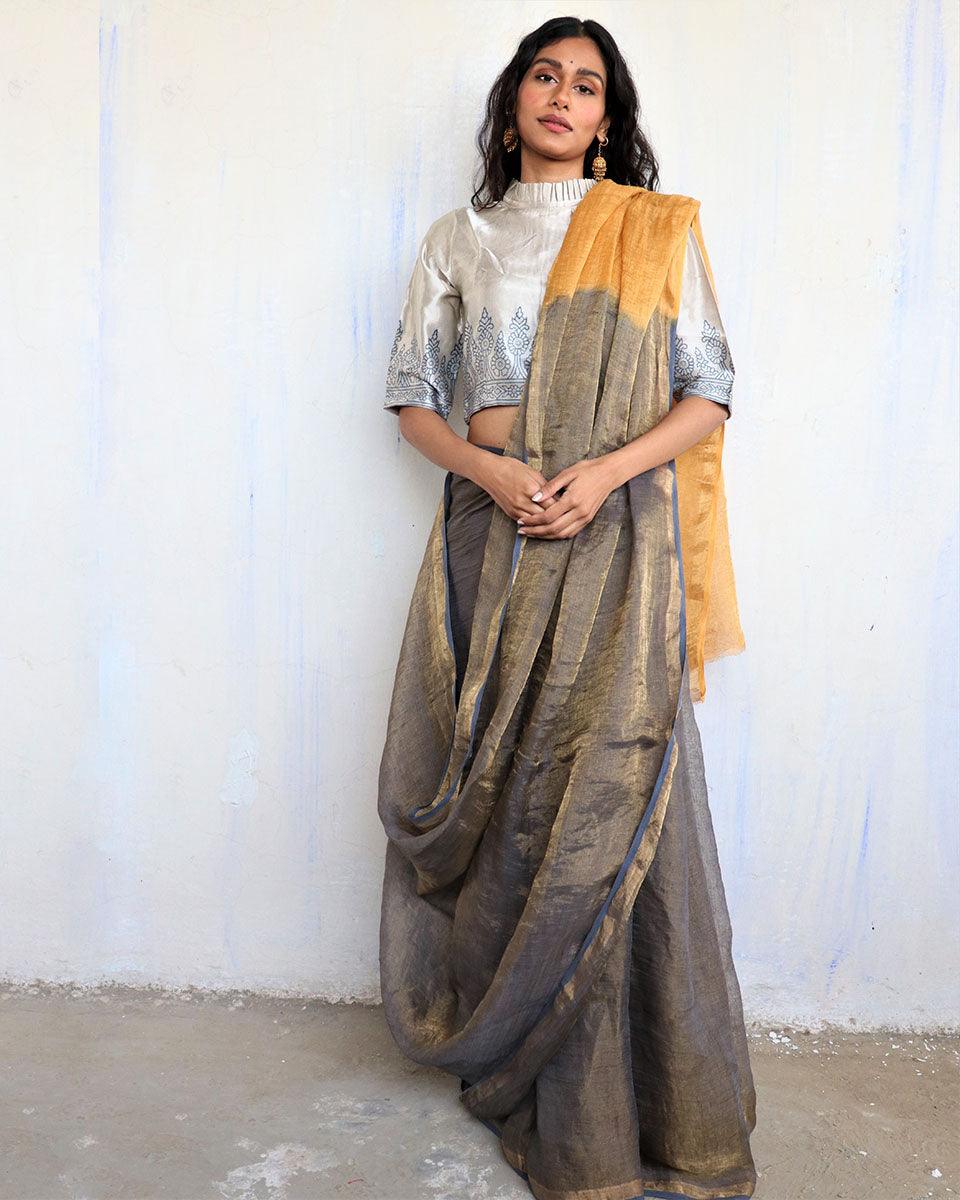
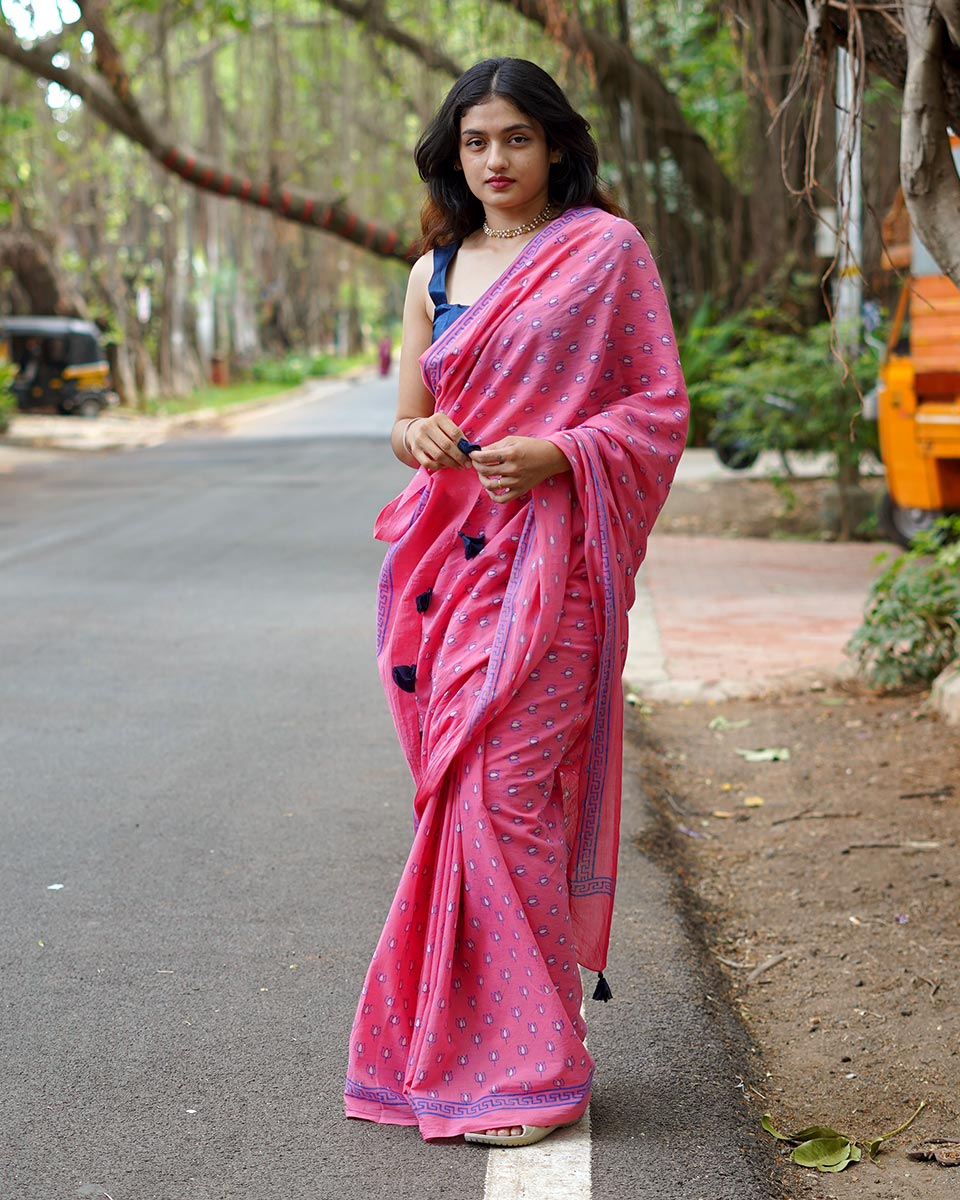
The saree is not just a piece of fabric—it is an emotion, a tradition, and an eternal fashion statement. For centuries, this six to nine-yard drape has been the epitome of grace, beauty, and cultural pride in India and beyond. From royal courts to contemporary fashion runways, sarees continue to captivate women across generations with their charm, versatility, and timeless appeal.
Festive Sarees: Tradition, Elegance & Celebration in Every Drape
Festivals in India are more than just rituals—they are a celebration of culture, family, and togetherness. And no celebration is complete without dressing up in outfits that reflect joy and tradition. Among all festive wear, sarees hold a special place, symbolizing elegance, grace, and timeless beauty.
A festive saree is not just clothing—it’s a way of carrying forward traditions while embracing style. Whether it’s Diwali lights, Durga Puja colors, Navratri energy, or Eid elegance, sarees beautifully blend into every festive moment.
🌸 Popular Festive Saree Fabrics & Styles
Silk Sarees:
Rich Banarasi, Kanjeevaram, or Mysore silks are perfect for weddings and grand celebrations. Their zari borders and intricate motifs make them luxurious.
Cotton & Handloom Sarees:
Ideal for morning pujas or temple visits. Light, breathable, and traditional, they exude subtle charm.
Chiffon & Georgette Sarees:
Perfect for evening parties and Diwali get-togethers. They drape elegantly and come in sequins, shimmer, or light embroidery.
Organza Sarees:
Trendy and chic, organza sarees with floral prints or hand-painted motifs give a contemporary festive look.
Tissue & Tussar Sarees:
Shiny and festive, these sarees add a royal touch without being too heavy.
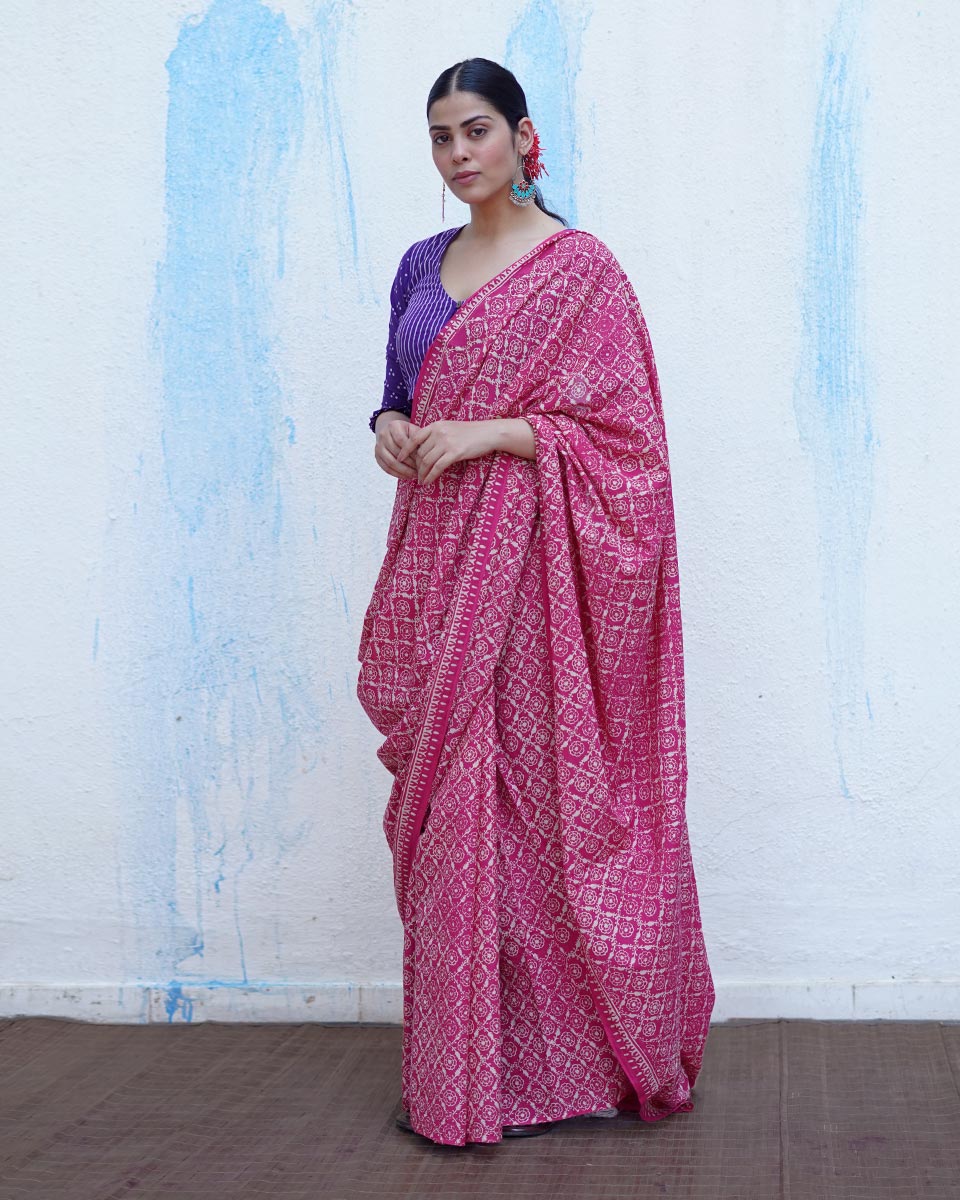
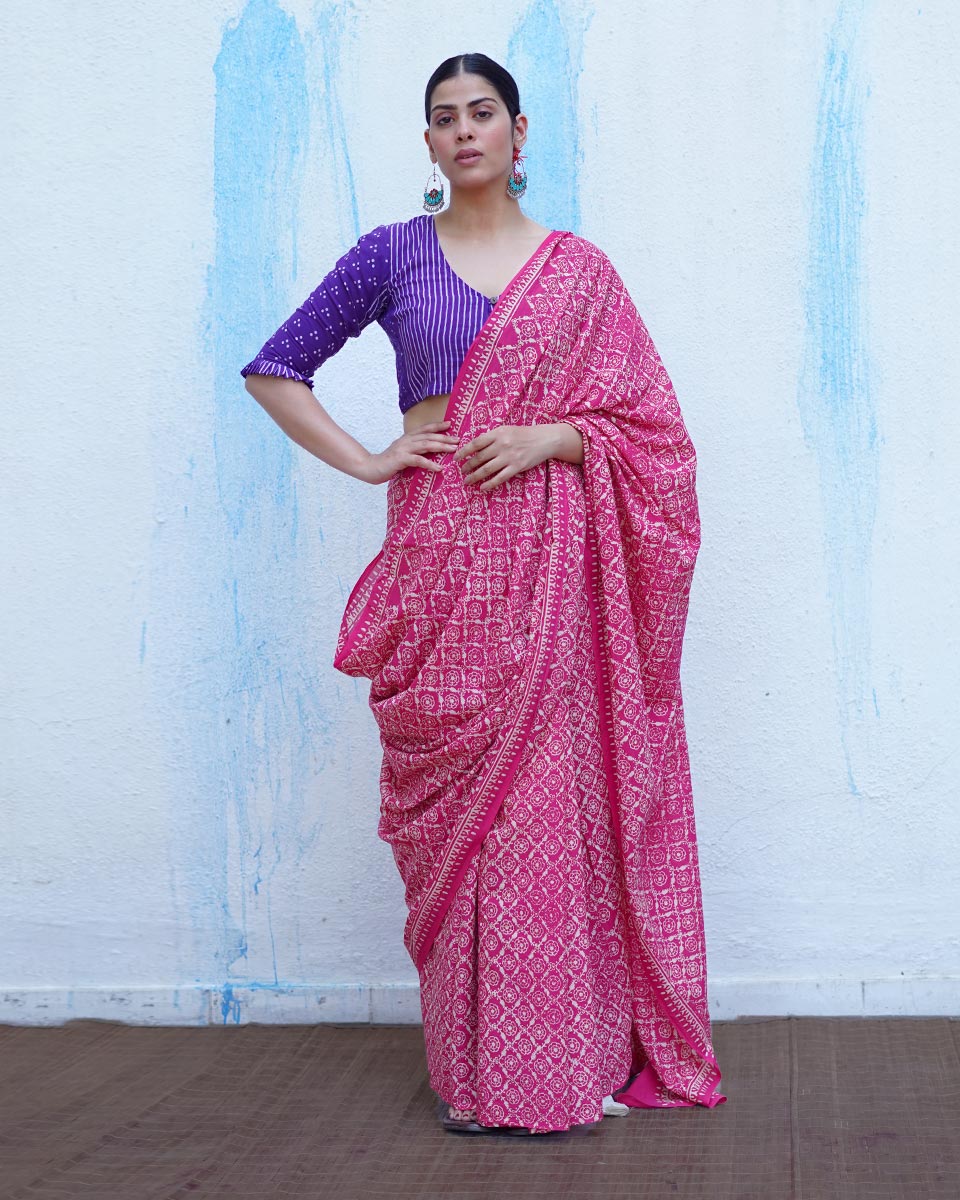
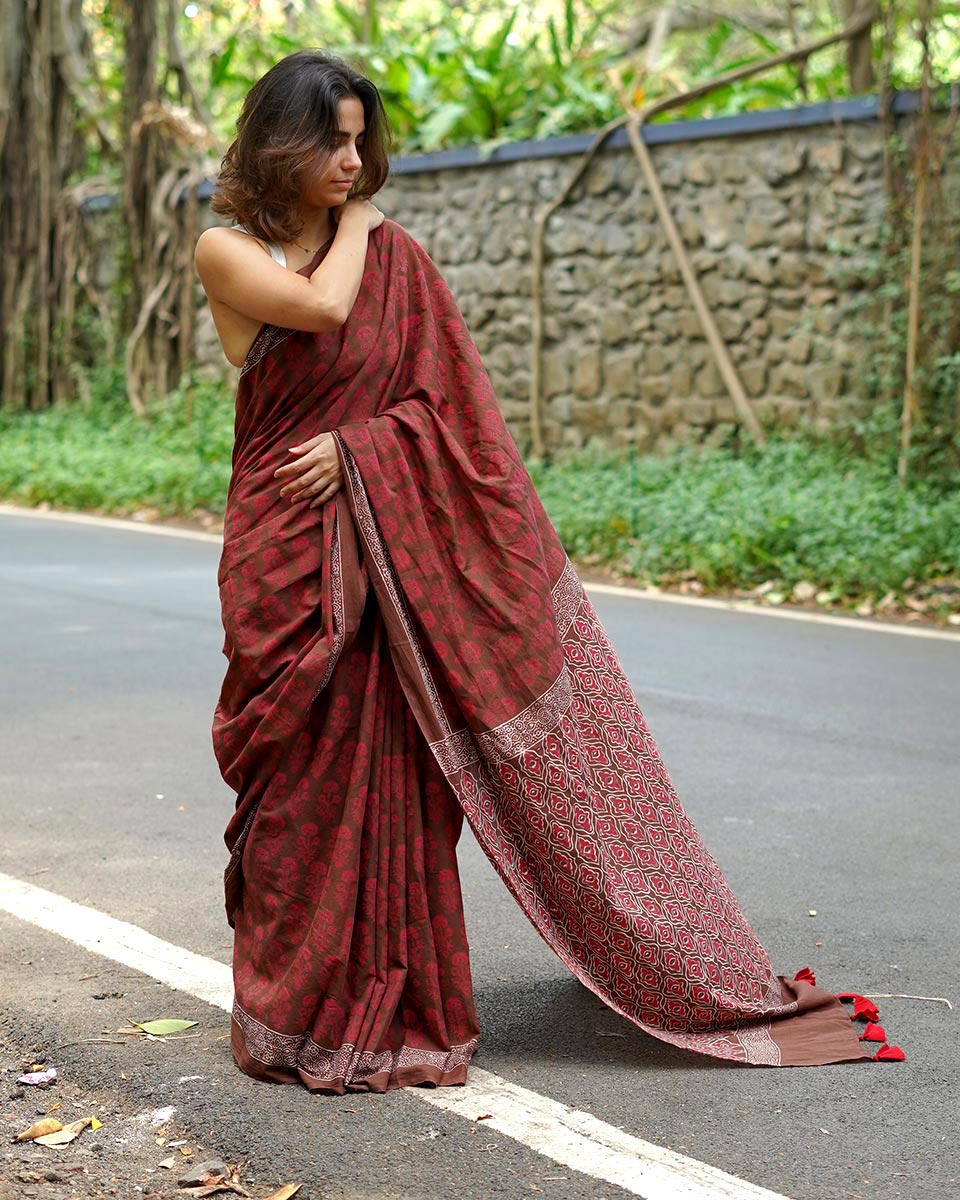
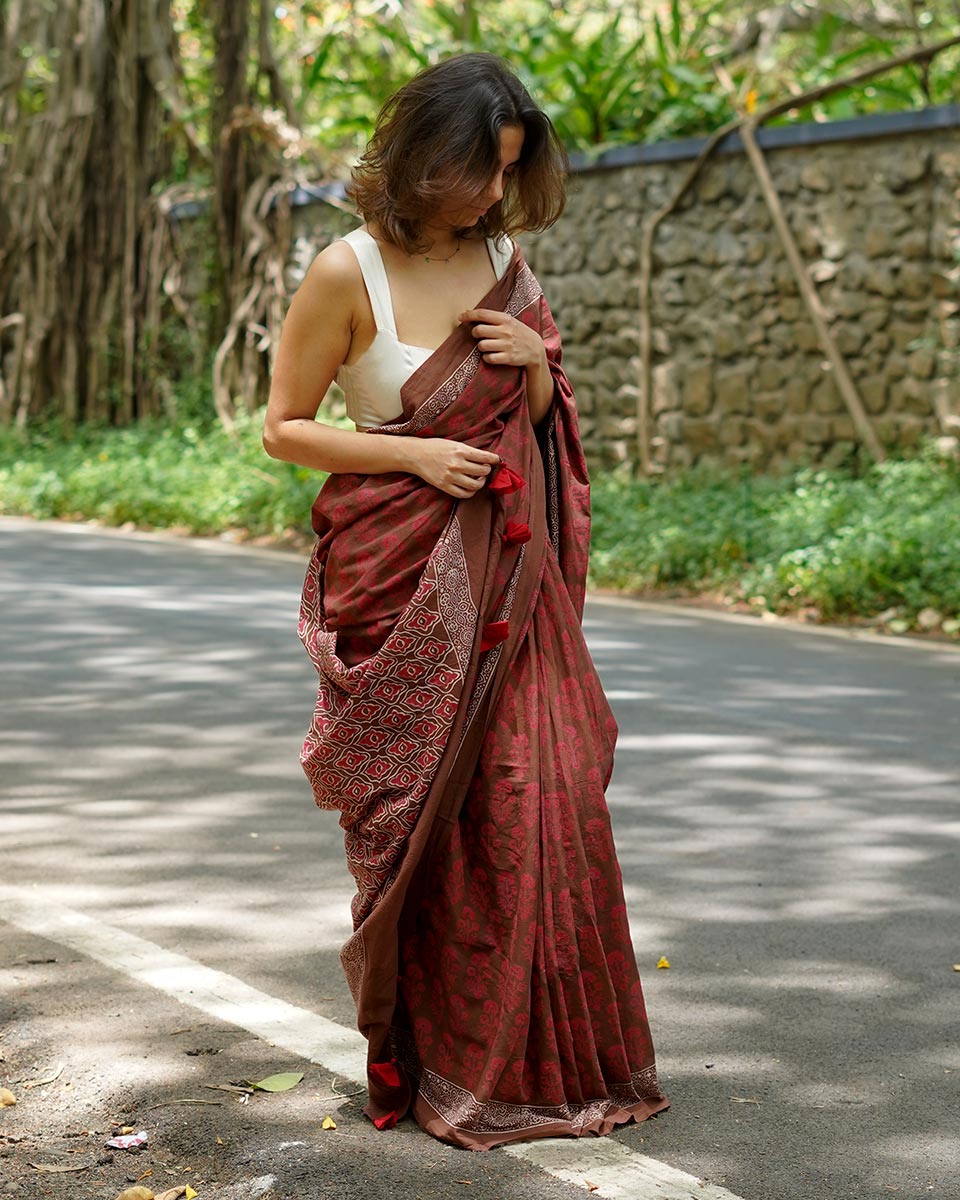
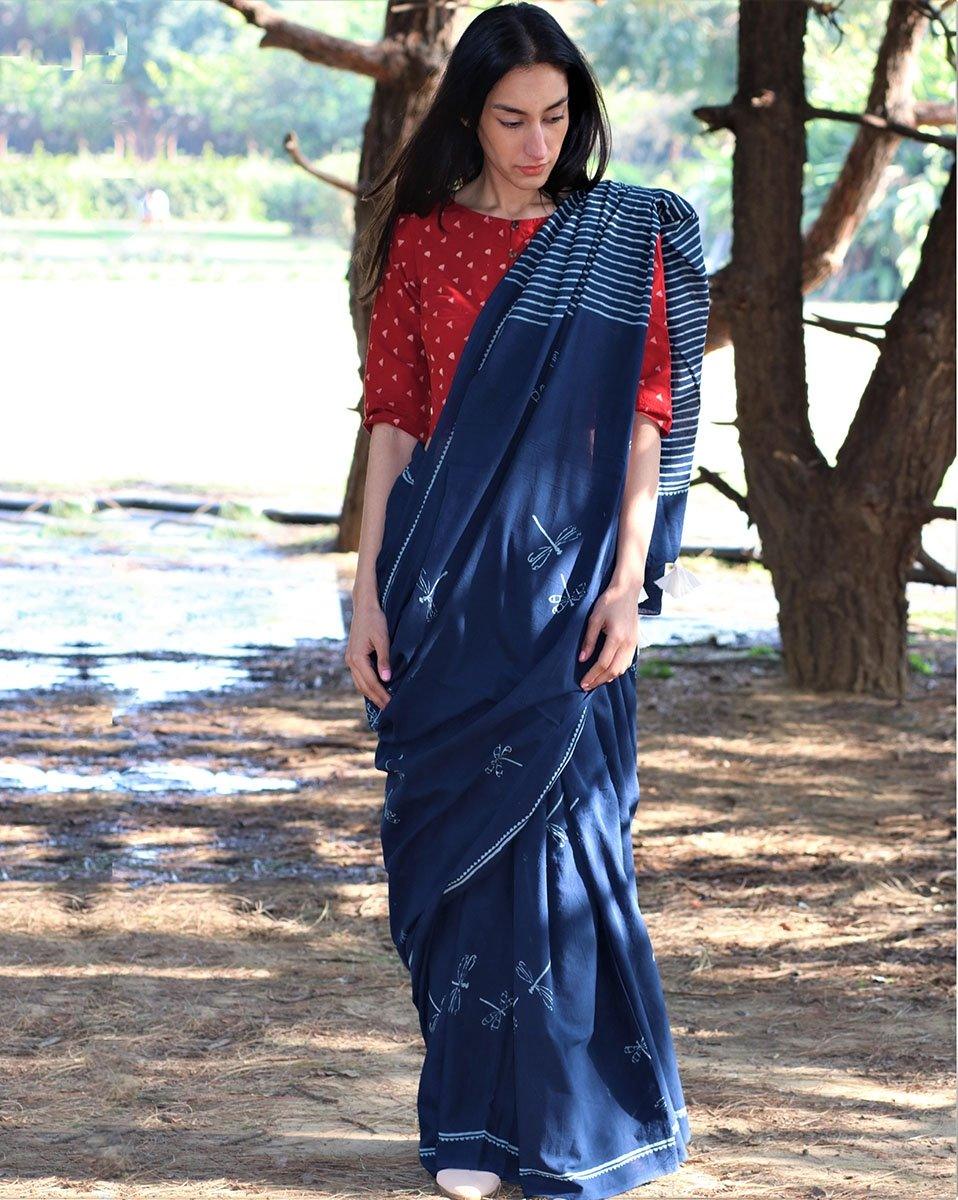
Handblock Printed Cotton Sarees: Artistry Woven in Comfort
The saree has always been more than just six yards of fabric—it’s a canvas of culture, artistry, and tradition. Among the many varieties of sarees, handblock printed cotton sarees
stand out for their unique blend of heritage, comfort, and elegance. They are not just garments but wearable works of art, celebrating India’s centuries-old craft of hand printing.
Whether worn casually or styled for festive occasions, these sarees embody a charm that is both timeless and versatile.
Handblockprinted Cotton Sarees: Celebrating Artistry
Handwoven Linen Sarees: Effortless Elegance in Every Thread
A saree is more than just a garment—it is a timeless expression of grace, identity, and culture. Among the many varieties of sarees, handwoven linen sarees hold a unique charm. Minimal yet sophisticated, they are known for their earthy texture, lightness, and elegance that perfectly blend tradition with contemporary fashion.
Crafted meticulously by skilled artisans, linen sarees are ideal for women who love subtle luxury and breathable comfort. Whether it’s an office meeting, a festive evening, or a casual day out, these sarees seamlessly adapt to every occasion.
Handwoven Linen Zari Sarees: Timeless Elegance
Silk Sarees: The Eternal Symbol of Elegance and Tradition
When it comes to sarees, silk sarees stand in a class of their own. Known for their rich texture, lustrous finish, and cultural significance, silk sarees have been a symbol of grace and grandeur for centuries. From weddings to festivals, they embody celebration, tradition, and timeless beauty.
Every silk saree is more than just fabric—it’s a reflection of heritage, craftsmanship, and artistry, making it one of the most cherished garments in an Indian woman’s wardrobe.
Cotton Zari Sarees: Where Comfort Meets Celebration
In the world of sarees, few blends strike the perfect balance between elegance and comfort quite like cotton zari sarees. They combine the breathable softness of cotton with the festive shimmer of zari (metallic thread), making them versatile enough for both casual rituals and grand occasions.
If silk zari sarees are synonymous with opulence, cotton zari sarees embody subtle grace—ideal for women who prefer understated luxury with a touch of sparkle.
Linen Zari Sarees: Subtle Luxury Meets Timeless Elegance
In the world of sarees, linen zari sarees have carved a niche for women who love effortless elegance with a touch of festivity. Combining the natural texture and breathable comfort of linen with the shimmer of zari (metallic thread) work, these sarees are perfect for both modern occasions and traditional celebrations.
Whether it’s a festive puja, a wedding day function, or a casual daytime gathering, a linen zari saree strikes the perfect balance between sophistication and ease of wear.
The Timeless Elegance of Silk Sarees
Frequently Asked Questions (FAQs) About Sarees
Q: Which type of saree is best?
A: The best saree depends on the occasion—cotton for comfort, linen for elegance, silk for weddings, and handblock prints for casual ethnic charm.
Q: Which is better, Banarasi or Kanjivaram saree?
A: Both are exquisite; Banarasi sarees are perfect for intricate zari and Mughal-inspired designs, while Kanjivaram sarees are ideal for rich silk, bold colors, and traditional South Indian elegance.
Q: Which saree is most attractive?
A: The most attractive saree depends on personal taste and occasion—silk sarees for grandeur, handwoven linen for understated elegance, and Banarasi or Kanjivaram for festive or wedding appeal.
Q: What saree to wear in summer?
A: Light and breathable fabrics like cotton, linen, or chiffon sarees are ideal for summer, keeping you comfortable and stylish.
Q: What saree to wear for a wedding?
A: Silk sarees like Kanjivaram, Banarasi, or designer silk sarees with rich zari work are perfect for weddings, offering grandeur and elegance.
Q: Why is the saree considered a traditional?
A: Because it has been worn for thousands of years and is deeply rooted in Indian culture, customs, and heritage.
Q: Which saree is most famous in Kerala?
A: The Kasavu saree (Kerala Kasavu) is the most famous.
Q: Who introduced the saree blouse in India?
A: Jnanadanandini Devi, sister-in-law of Rabindranath Tagore, popularized the modern saree blouse in the late 19th century.
Q: Which saree is best for daily use?
A: Cotton sarees are the best for daily wear due to their comfort and breathability.
Q: Which saree styles are trending now?
A: Sarees made of organza, chiffon, tissue, metallic-hue silks, and pastel-colored silks are trending.
