

When summer temperatures start rising—especially in hot and humid cities like Pune—choosing the right fabric becomes more than a fashion decision. It becomes a comfort essential. Among all summer fabrics, cotton consistently stands out as the most breathable and skin-friendly choice.
But what exactly makes cotton so breathable? Why does it feel cooler compared to synthetic fabrics? And is all cotton the same?
In this detailed guide, we’ll explore the science, structure, and real-life benefits of cotton fabric—and why it continues to dominate summer wardrobes across the world.
You may also like: How to Build a Complete Cotton Wardrobe for Summer
🌿 1. Natural Fiber Structure Allows Air Circulation
Cotton is a natural fiber derived from the cotton plant. Unlike synthetic fabrics like polyester or nylon, cotton fibers have a unique internal structure.
Why this matters:
Cotton fibers are hollow and fluffy
They allow air to circulate freely
The fabric does not trap heat
It reduces the “sticky” feeling in humid weather
Synthetic fabrics are often tightly woven and petroleum-based, which blocks airflow. Cotton, on the other hand, allows your skin to breathe naturally.
This is why when you wear a cotton kurta or saree in summer, you feel lighter and fresher compared to wearing synthetic blends.
💧 2. High Moisture Absorption Keeps You Dry
One of cotton’s biggest strengths is its moisture-wicking ability.
Cotton can absorb up to 25–30% of its weight in moisture without feeling damp. This means:
Sweat gets absorbed quickly
Fabric does not cling to your body
Skin irritation is reduced
Body temperature stays regulated
In humid Indian summers, this becomes extremely important. Fabrics that don’t absorb sweat can cause rashes, itching, and discomfort. Cotton helps prevent that.
🌬 3. Breathability Regulates Body Temperature
Cotton is thermally responsive. That means it adjusts with your body’s needs.
When your body heats up:
Cotton releases absorbed moisture
Air passes through the weave
Sweat evaporates naturally
Your body cools down
This natural cooling mechanism is why cotton is recommended not only for daily wear but also for:
Sleepwear
Innerwear
Kids’ clothing
Summer office wear

🧵 4. Weave & Fabric Construction Enhance Airflow
Breathability doesn’t depend only on fiber—it also depends on weave.
Popular breathable cotton weaves include:
Mulmul (Muslin) – Ultra-light and airy
Voile – Soft and semi-sheer
Cambric – Lightweight but structured
Handloom cotton – Naturally ventilated due to manual weaving
Looser weaves allow more air passage, enhancing comfort in extreme heat.
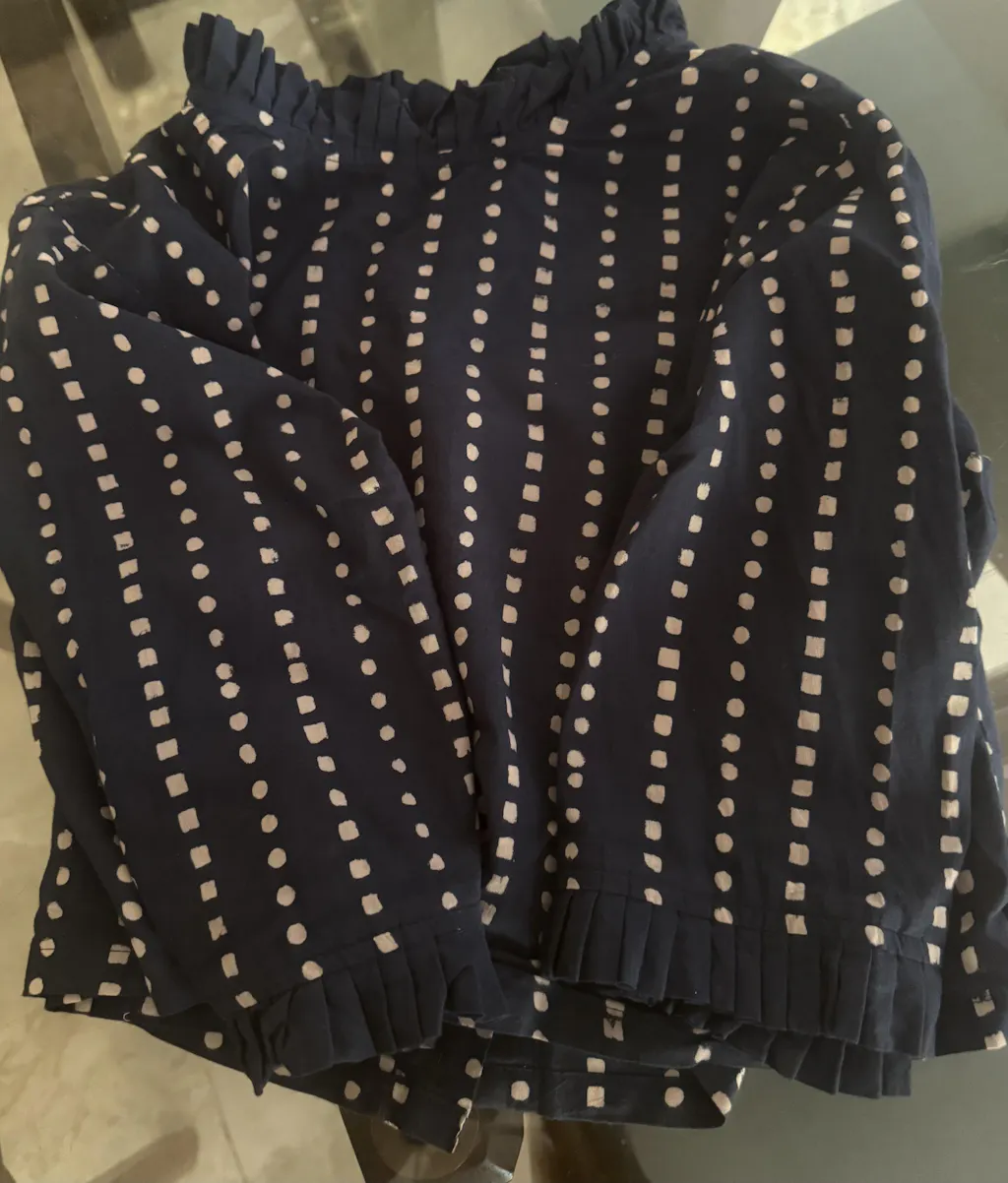
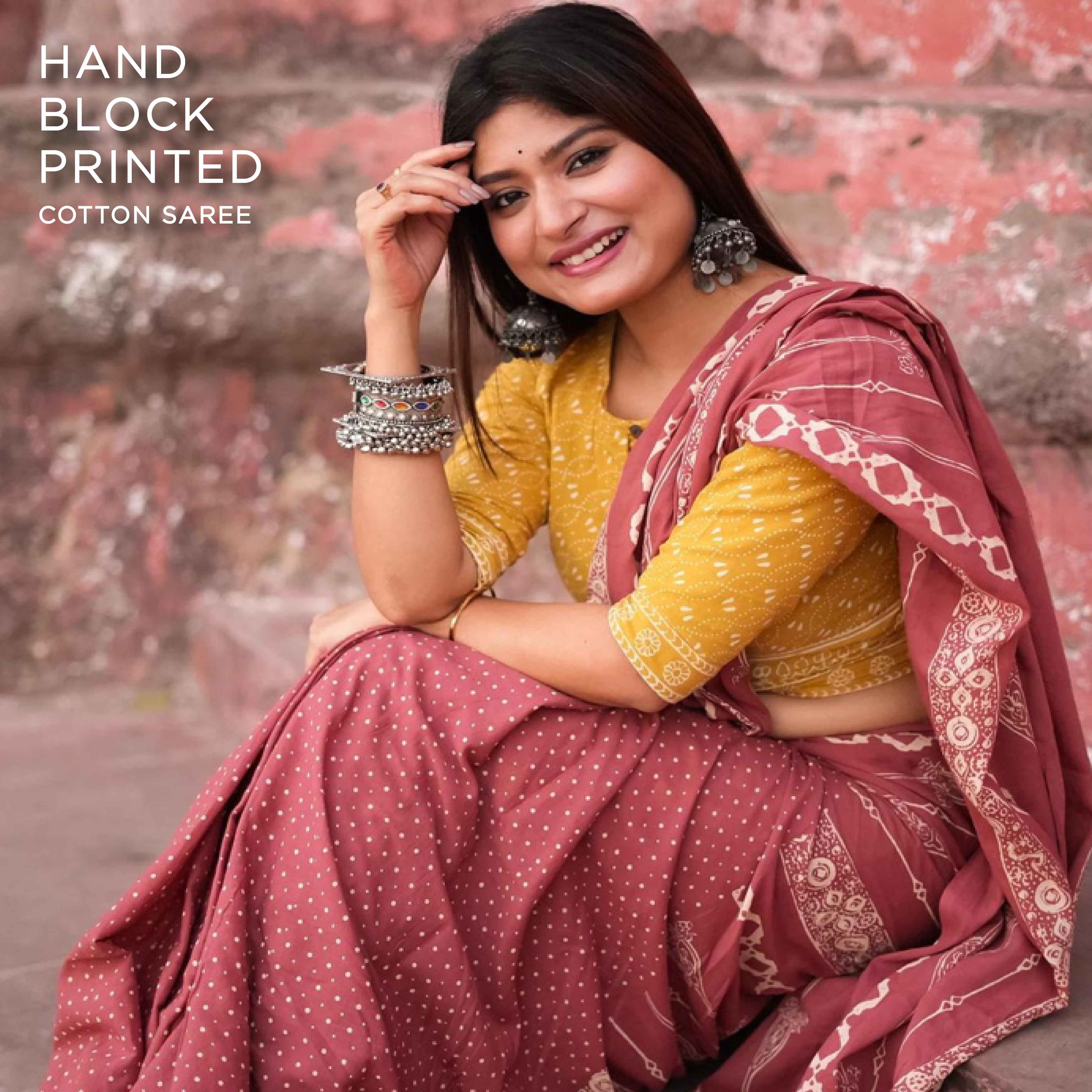
For example, handblock printed cotton kurtas are often made using breathable base fabrics that feel soft and airy throughout the day.
☀️ 5. Cotton Is Gentle on Skin
Summer heat often leads to:
-
Heat rashes
-
Allergies
-
Redness
-
Itchy skin
Cotton is:
-
Hypoallergenic
-
Non-irritating
-
Chemical-free (especially pure cotton)
-
Safe for sensitive skin
This is why dermatologists recommend cotton for babies and people with skin conditions.
If you run a fashion brand focused on handblock printed cotton, this is a strong selling point you can highlight in product descriptions.

🌎 6. Eco-Friendly and Sustainable Option
Cotton is biodegradable and renewable. Compared to synthetic fabrics:
-
It breaks down naturally
-
It does not release microplastics
-
It has a lower long-term environmental impact
Organic cotton takes it a step further by:
-
Using fewer pesticides
-
Conserving water
-
Supporting sustainable farming
Today’s customers are increasingly conscious. Offering breathable cotton products aligns both with comfort and sustainability trends.
👗 7. Versatility in Summer Fashion
Cotton works beautifully across categories:
-
Kurtas
-
Sarees
-
Dresses
-
Co-ord sets
-
Palazzo pants
-
Dupattas
It also holds dyes well, making it perfect for:
-
Handblock printing
-
Natural dyeing
-
Indigo prints
-
Floral summer collections
This makes cotton not just practical—but fashionable.

🏆 Why Cotton Dominates Indian Summers
India’s climate is mostly tropical and humid. Cotton suits it perfectly because:
-
It handles sweat efficiently
-
It feels soft even after multiple washes
-
It is affordable and accessible
-
It supports traditional crafts like handblock printing
That’s why cotton remains a staple in Indian wardrobes—from everyday wear to festive collections.
Frequently Asked Questions (FAQs)
1. Why is cotton considered more breathable than polyester?
Cotton is a natural fiber with a hollow structure that allows air circulation. Polyester is synthetic and traps heat, making it less breathable in summer.
2. Does cotton absorb sweat or repel it?
Cotton absorbs sweat. It can absorb up to 25–30% of its weight in moisture, helping keep your skin dry and cool.
3. Is linen more breathable than cotton?
Linen is highly breathable and dries faster than cotton. However, cotton is softer, more affordable, and easier to maintain for everyday wear.
4. Is 100% cotton better than cotton blends for summer?
Yes. 100% cotton is more breathable. Blends with polyester reduce airflow and can trap heat.
5. Which cotton fabric is best for extreme heat?
-
Mulmul (muslin)
-
Voile
-
Handloom cotton
-
Lightweight cambric
These are ideal for very hot climates.
6. Can cotton shrink in summer washes?
Yes, pure cotton may shrink slightly if washed in hot water. Always wash in cold water and air dry.
7. Is cotton good for sensitive skin?
Absolutely. Cotton is hypoallergenic and gentle, making it perfect for sensitive or allergy-prone skin.