
Ganesh Chaturthi is one of the most celebrated festivals in India, marked by joy, devotion, and cultural richness. Over the course of 10 days, families and communities come together to welcome Lord Ganesha with grandeur, devotion, and vibrant traditions. While rituals and pujas form the core of the festival, dressing up in ethnic wear adds to the festive spirit, creating a colorful and joyous atmosphere.
Choosing the right attire for each day of Ganpati celebrations can feel overwhelming, but it’s also a chance to showcase creativity and cultural pride. Whether you are hosting the idol at home or visiting pandals, your outfit can reflect the sanctity and mood of each day. Here’s a comprehensive Ganpati Festival Dressing Guide to help you pick the perfect ethnic wear for every day of the puja.
Day 1: Ganesh Sthapana
The first day sets the tone for the entire festival. This is when the idol is installed, and prayers begin with utmost devotion.
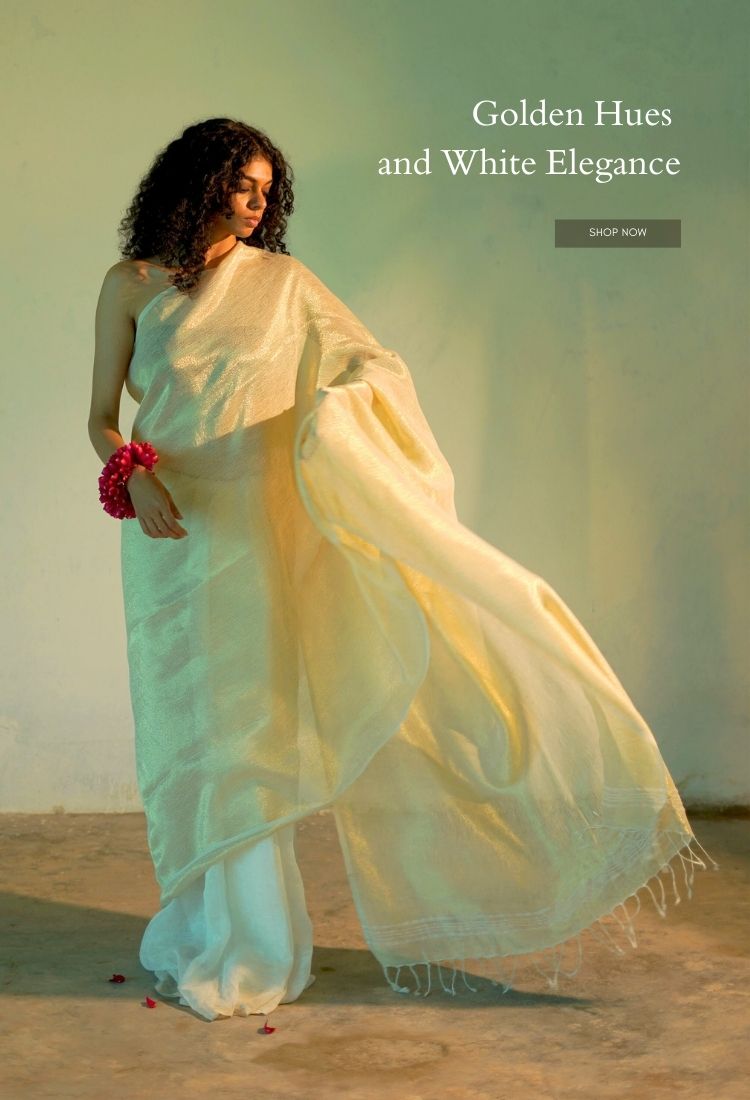
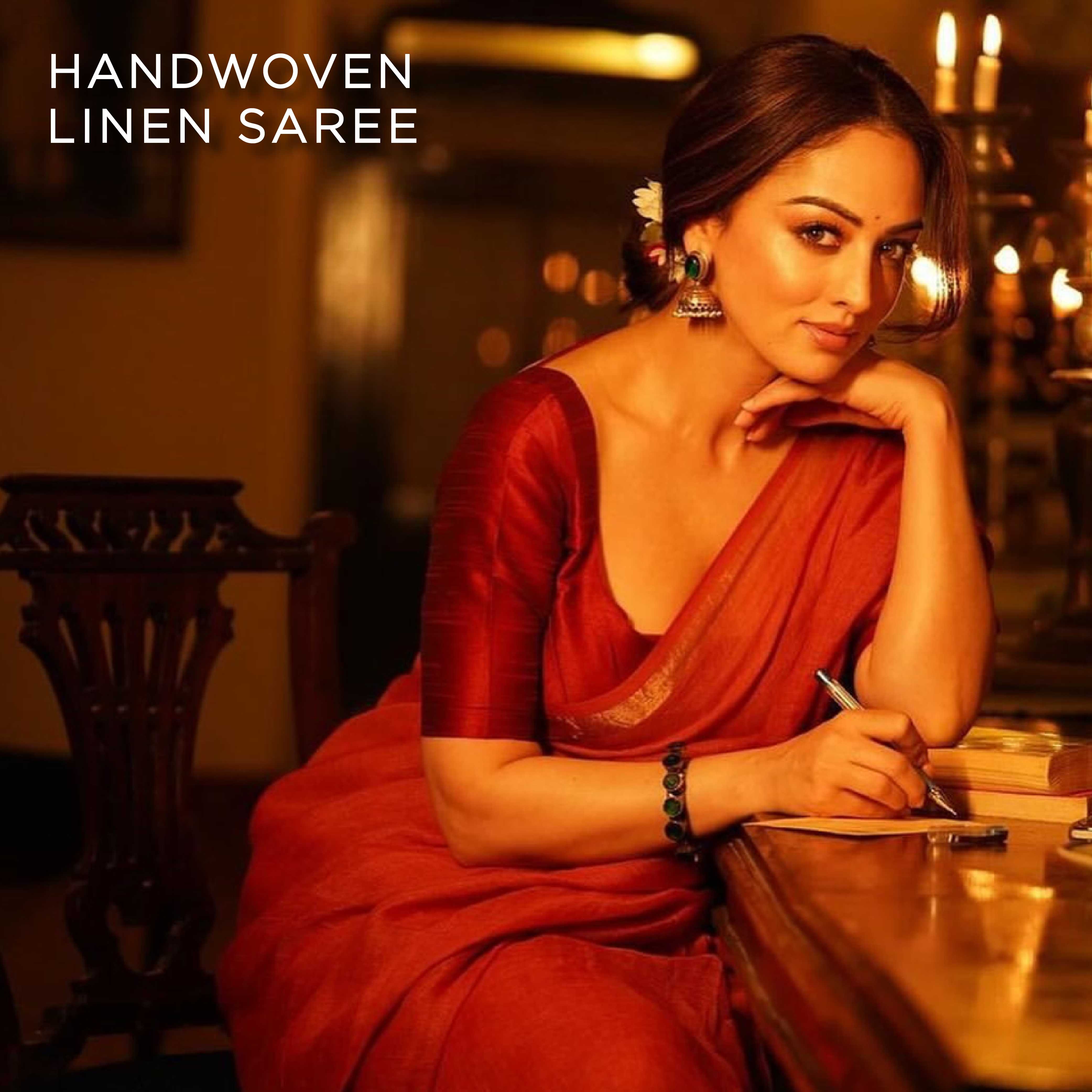
For Women: Opt for a traditional silk saree in auspicious shades like red, yellow, or orange. Pair it with gold-toned jewelry to mark the grandeur of the day.
For Men: Choose a crisp kurta-pajama with a silk Nehru jacket. White with a saffron or golden jacket works well for a pure, celebratory vibe.
Day 2–3: Regular Pujas & Aarti
The second and third days usually involve family pujas, aarti, and offering sweets like modaks.
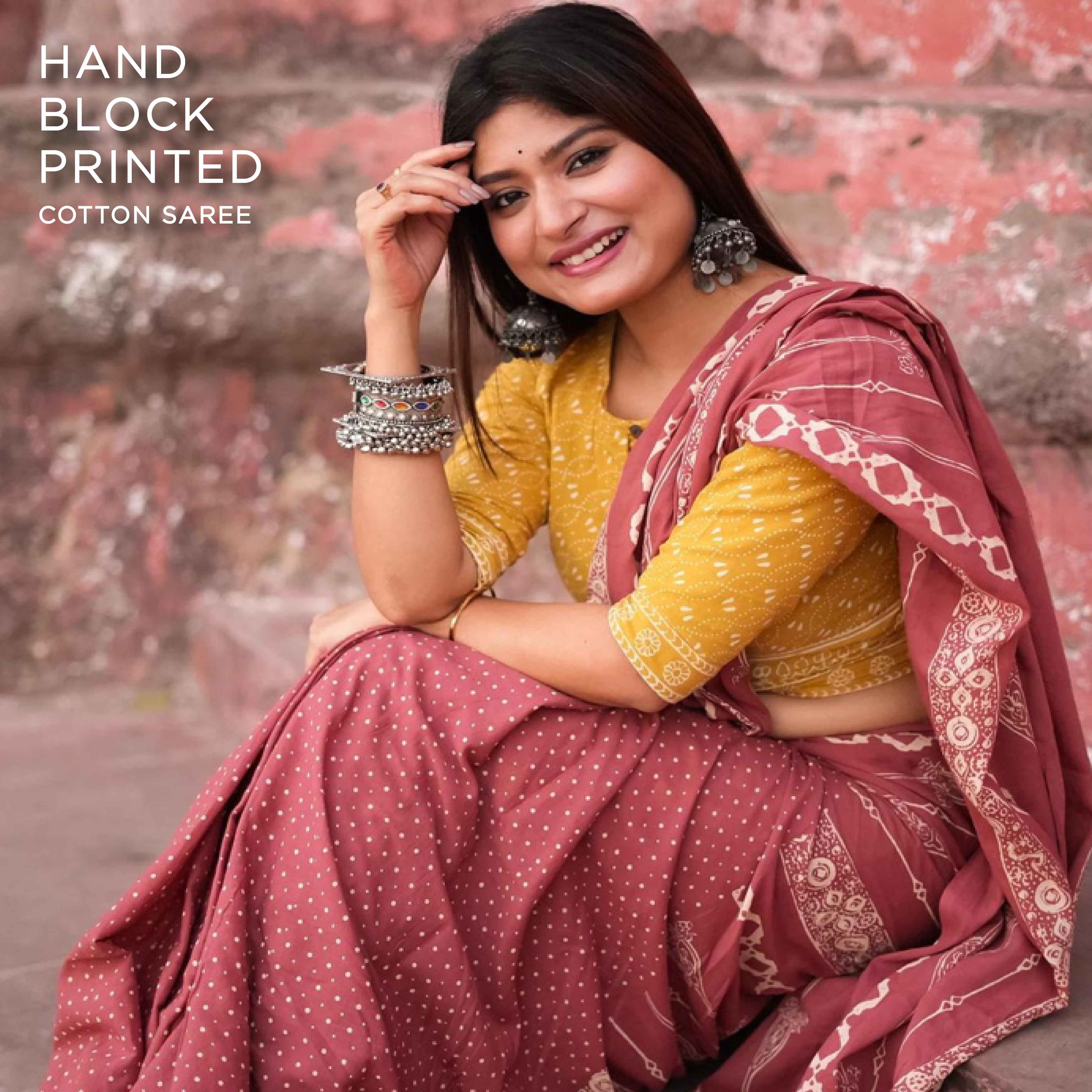
For Women: Cotton sarees or light Anarkali suits are perfect—comfortable yet festive. Bright hues like pink, green, or turquoise reflect joy and devotion.
For Men: A simple cotton kurta in earthy colors like beige, cream, or pastel shades keeps it elegant and breathable for long rituals.
Day 4–5: Community Visits & Cultural Programs
These days often involve visiting friends, relatives, or public pandals where community celebrations take place.
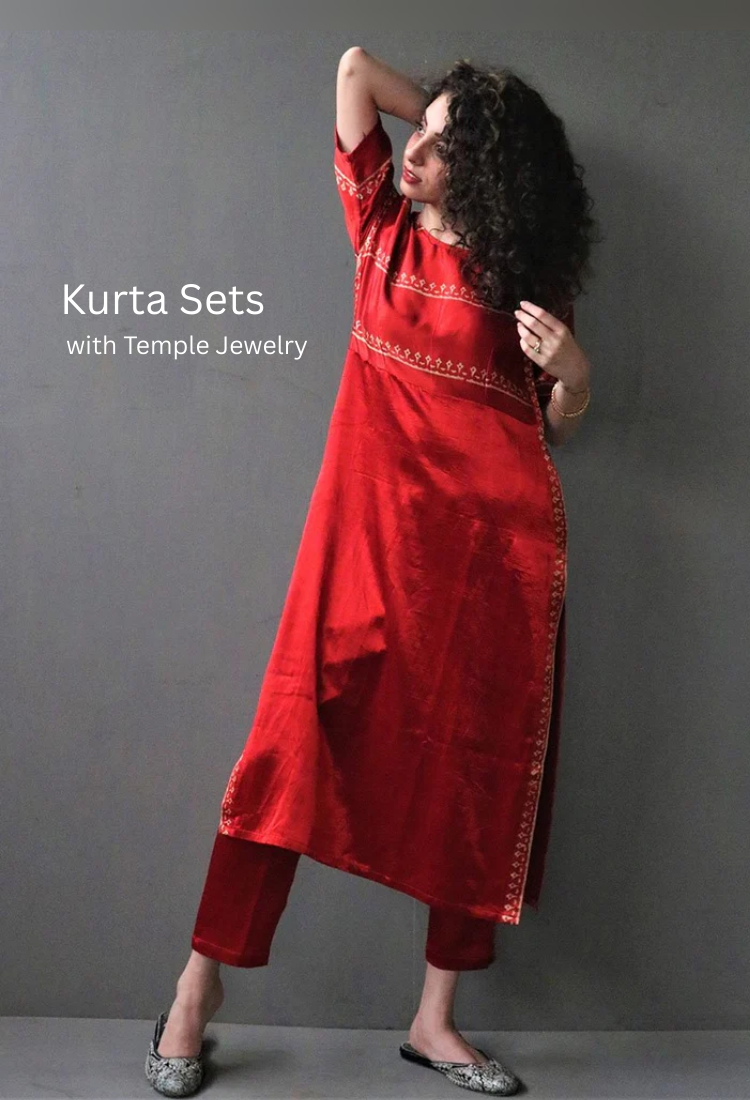
For Women: Go for fusion wear like a kurta with palazzos or a lehenga skirt paired with a short kurti. Light mirror work or block prints add festive charm without being too heavy.
For Men: Opt for a linen kurta paired with a dhoti or churidar. A printed stole or dupatta can elevate the look.
Day 6–7: Special Pujas & Guests at Home
By mid-festival, many households host special pujas, havans, or bhajans with guests participating.
For Women: Rich fabrics like Banarasi silk or georgette sarees in jewel tones (emerald, ruby, sapphire) look divine. Statement earrings or temple jewelry complete the ensemble.
For Men: Go for a regal sherwani-style kurta or add a bandhgala jacket over your kurta. Deep colors like maroon or royal blue exude festive elegance.
Day 8–9: Lalbaug Darshan & Celebrations
The excitement peaks towards the end, with grand aartis, cultural nights, and darshan at iconic pandals like Lalbaugcha Raja in Mumbai.
For Women: A festive lehenga-choli or heavily embroidered salwar suit works beautifully. Stick to metallic hues like gold or silver combined with deep reds or greens.
For Men: Choose a stylish kurta with embroidery or brocade details. Pair it with a churidar and silk dupatta for a regal finish.
Day 10: Visarjan (Immersion Day)
The final day, filled with bittersweet emotions, is when devotees bid farewell to Lord Ganesha. Since visarjan involves processions, dancing, and sometimes water rituals, the outfit should be vibrant yet practical.
For Women: A lightweight saree or kurta set in bright shades like saffron, red, or yellow. Opt for cotton or georgette for comfort during the visarjan procession.
For Men: A simple kurta-pajama paired with a colorful scarf or dupatta. White or cream kurta with saffron stole is a classic visarjan look.
Accessorizing for Ganpati Festival
Jewelry: Temple jewelry, oxidized silver, and statement earrings are timeless choices.
Footwear: Mojaris, juttis, or embellished sandals go well with ethnic wear.
Hair & Makeup: Women can style their hair with fresh gajra (jasmine flowers). Go for subtle makeup during day rituals and bold lips or eyes for evening festivities.
Tips for Comfortable Festive Dressing
Balance comfort with style: Since rituals may last hours, avoid overly heavy outfits every day.
Experiment with fusion wear: Mix contemporary cuts with traditional fabrics for a modern ethnic twist.
Use sustainable choices: Handloom cottons, khadi, or block prints not only look elegant but also support artisans.
Repeat creatively: Reuse sarees by draping them differently or pairing with contrasting blouses to avoid monotony.
Frequently Asked Questions (FAQs)
Q1: Do I need to wear traditional attire every day of Ganpati?
Not necessarily. While traditional wear is preferred, you can also mix fusion outfits. The idea is to maintain the festive spirit while staying comfortable.
Q2: What are the most auspicious colors to wear during Ganesh Chaturthi?
Yellow, red, saffron, green, and orange are considered highly auspicious as they symbolize prosperity, positivity, and devotion.
Q3: Can men wear western outfits during Ganpati puja?
While there’s no restriction, ethnic wear like kurta-pajama or dhoti is more in sync with the rituals. However, Indo-western styles like kurta with jeans are also acceptable for casual visits.
Q4: How can women style sarees differently across 10 days?
Experiment with draping styles—Maharashtrian nauvari, Bengali drape, or classic pleated style. Changing blouses, accessories, and hairstyles can also give the saree a fresh look each time.
Q5: What should I wear for Ganpati visarjan?
Comfort is key. Go for lightweight ethnic wear in bright festive colors. Since it involves processions and often water immersion, avoid heavy silks or delicate fabrics.