
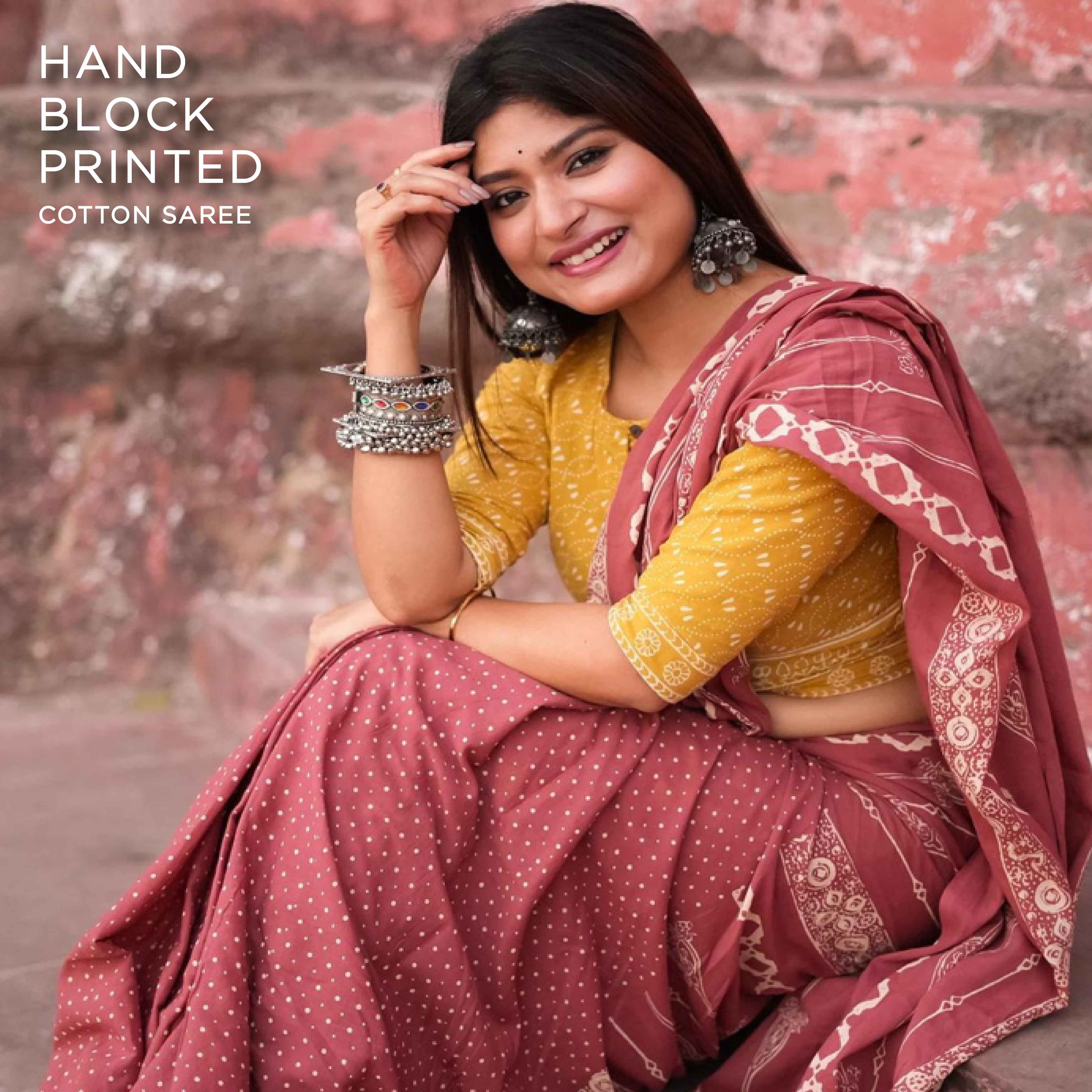


When summer temperatures rise—especially in hot and humid cities like Pune—choosing the right fabric becomes just as important as choosing the right design. The wrong fabric can leave you sweaty, uncomfortable, and irritated. The right one can keep you cool, confident, and fresh all day.
Two of the most common fabric categories for summer wear are cotton and synthetic fabrics. But which one is truly better for summer clothing?
Let’s break it down in detail.
Cotton Fabric
Cotton is a natural fiber derived from the cotton plant. It has been used in clothing for thousands of years and remains one of the most popular fabrics worldwide.

Why Cotton is a Summer Favorite
1. Excellent Breathability
Cotton allows air to circulate freely through the fabric. This airflow helps your body release heat and keeps you cool even in high temperatures.
2. Absorbs Sweat
Cotton absorbs moisture efficiently. During summer, when sweating is unavoidable, cotton soaks up perspiration and reduces stickiness.
3. Soft & Skin-Friendly
Natural cotton fibers are gentle on the skin. For people with sensitive skin or allergies, cotton is usually a safer option than synthetic fabrics.
4. Lightweight Comfort
Cotton garments like kurtas, dresses, and sarees feel light and airy—perfect for daily wear in hot weather.
Drawbacks of Cotton
-
Wrinkles easily
-
Can shrink if not washed properly
-
Takes longer to dry compared to synthetics
-
Can feel heavy when soaked with sweat
Despite these minor drawbacks, cotton remains a top summer choice.

🧵 Synthetic Fabrics
Synthetic fabrics are man-made materials created using chemical processes. Common synthetic fabrics include:
-
Polyester
-
Nylon
-
Rayon
-
Acrylic
These fabrics are widely used in modern fashion and sportswear.
Benefits of Synthetic Fabrics
1. Quick Drying
Unlike cotton, synthetic fabrics dry very quickly. This makes them ideal for gym wear and travel clothing.
2. Wrinkle Resistant
Synthetic fabrics maintain their shape and don’t wrinkle easily, making them low-maintenance.
3. Durable & Strong
They are generally more durable than cotton and can withstand rough usage.
4. Stretch & Flexibility
Many synthetic blends offer stretch, making them suitable for activewear.
Drawbacks of Synthetic Fabrics in Summer
-
Less breathable
-
Can trap heat
-
May cause skin irritation
-
Often retain odor
-
Not environmentally friendly
In extreme summer heat, fully synthetic garments can feel sticky and uncomfortable because they trap body heat.
🌡️ What’s Best for Indian Summers?
In hot and humid climates like India, cotton usually wins for daily wear. When temperatures cross 35°C, breathable fabrics become essential.
Cotton kurtas, dresses, sarees, and co-ord sets allow airflow and reduce body heat buildup.
However, for gym workouts or travel days, moisture-wicking synthetic blends may be more practical.

🌱 What About Cotton Blends?
Cotton blends combine natural cotton with synthetic fibers like polyester.
These blends offer:
-
Better durability
-
Less wrinkling
-
Slightly faster drying
-
Improved shape retention
If you want the comfort of cotton with slightly lower maintenance, cotton blends are a good middle option.
👗 Which Fabric Should You Choose?
Choose Cotton If:
-
You live in a hot climate
-
You sweat heavily
-
You have sensitive skin
-
You prefer breathable daily wear
-
You want eco-friendly clothing
Choose Synthetic If:
-
You need gym wear
-
You travel frequently
-
You want wrinkle-free clothes
-
You need quick-dry outfits
🌍 Environmental Impact
Cotton is biodegradable and renewable. However, traditional cotton farming uses a lot of water. Organic cotton is a more sustainable option.
Synthetic fabrics are petroleum-based and release microplastics during washing. They are less environmentally friendly.
If sustainability matters to you, natural fabrics are generally a better choice.
💡 Final Verdict
For everyday summer clothing—especially in hot climates—cotton is usually the better choice. It keeps you cool, comfortable, and sweat-free.
Synthetic fabrics have their place in activewear and travel fashion but may not be ideal for all-day summer wear.
The best option depends on your lifestyle, climate, and comfort preference.
Frequently Asked Questions (QAs)
Q1: Is cotton better than polyester for summer?
Yes, cotton is generally better for summer because it is more breathable and absorbs sweat effectively. Polyester may feel hotter in extreme temperatures.
Q2: Why do synthetic clothes feel sticky in summer?
Synthetic fabrics trap heat and do not absorb sweat well. This can cause moisture to stay on the skin, making clothes feel sticky.
Q3: Are cotton blends good for summer?
Yes, cotton blends can be good for summer. They offer comfort with added durability and less wrinkling compared to pure cotton.
Q4: Which fabric is best for sweaty skin?
Cotton is best for sweaty skin because it absorbs moisture and allows airflow.
Q5: Is rayon better than cotton for hot weather?
Rayon is lightweight and breathable, but it may not absorb sweat as effectively as cotton. Cotton remains the safer choice for extreme heat.
Q6: What type of cotton is best for summer?
Lightweight cotton varieties such as voile, mulmul, cambric, and handblock printed cotton are excellent for summer.
Q7: Does synthetic fabric cause skin irritation?
It can. Some people experience itching or rashes when wearing synthetic fabrics for long periods, especially in humid conditions.
Q8: Which fabric is more eco-friendly?
Cotton (especially organic cotton) is more eco-friendly compared to synthetic fabrics, which are petroleum-based and non-biodegradable.
