
When the humidity rises, even simple daily activities can feel exhausting. Sticky skin, sweat patches, body odor, and irritation become common problems—especially in places like coastal cities or during Indian monsoons. Choosing the right fabric in humid weather is not just about style; it’s about comfort, hygiene, and skin health.
In this blog, we’ll explore the best fabrics for humid climates and explain why cotton continues to be the ultimate winner.
You may also like: Cotton vs Synthetic Fabrics: What’s Best for Summer Clothing?
Understanding Humid Weather and Clothing Needs
Humidity means there is excess moisture in the air. When the air is already full of water vapor, sweat from your body does not evaporate easily. As a result:
-
You feel sticky
-
Clothes cling to your body
-
Sweat stains become visible
-
Skin irritation increases
So, the ideal fabric for humid weather should:
-
Be breathable
-
Absorb sweat
-
Dry quickly
-
Feel light on the skin
-
Prevent rashes
Let’s explore the top fabric choices.
1. Cotton – The Ultimate Champion
Cotton has been the most trusted summer fabric for centuries—and for good reason.
Why Cotton Wins:
1. Highly Breathable
Cotton allows air circulation, helping body heat escape easily.
2. Excellent Sweat Absorption
It absorbs moisture and keeps the skin dry, reducing stickiness.
3. Skin-Friendly
Natural cotton fibers are gentle and suitable for sensitive skin.
4. Lightweight & Comfortable
Especially handwoven or pure cotton varieties feel soft and airy.
5. Reduces Body Odor
Since it absorbs sweat, it helps prevent odor buildup.
Best Cotton Types for Humid Weather:
-
Handwoven cotton
-
Mulmul cotton
-
Cambric cotton
-
Organic cotton
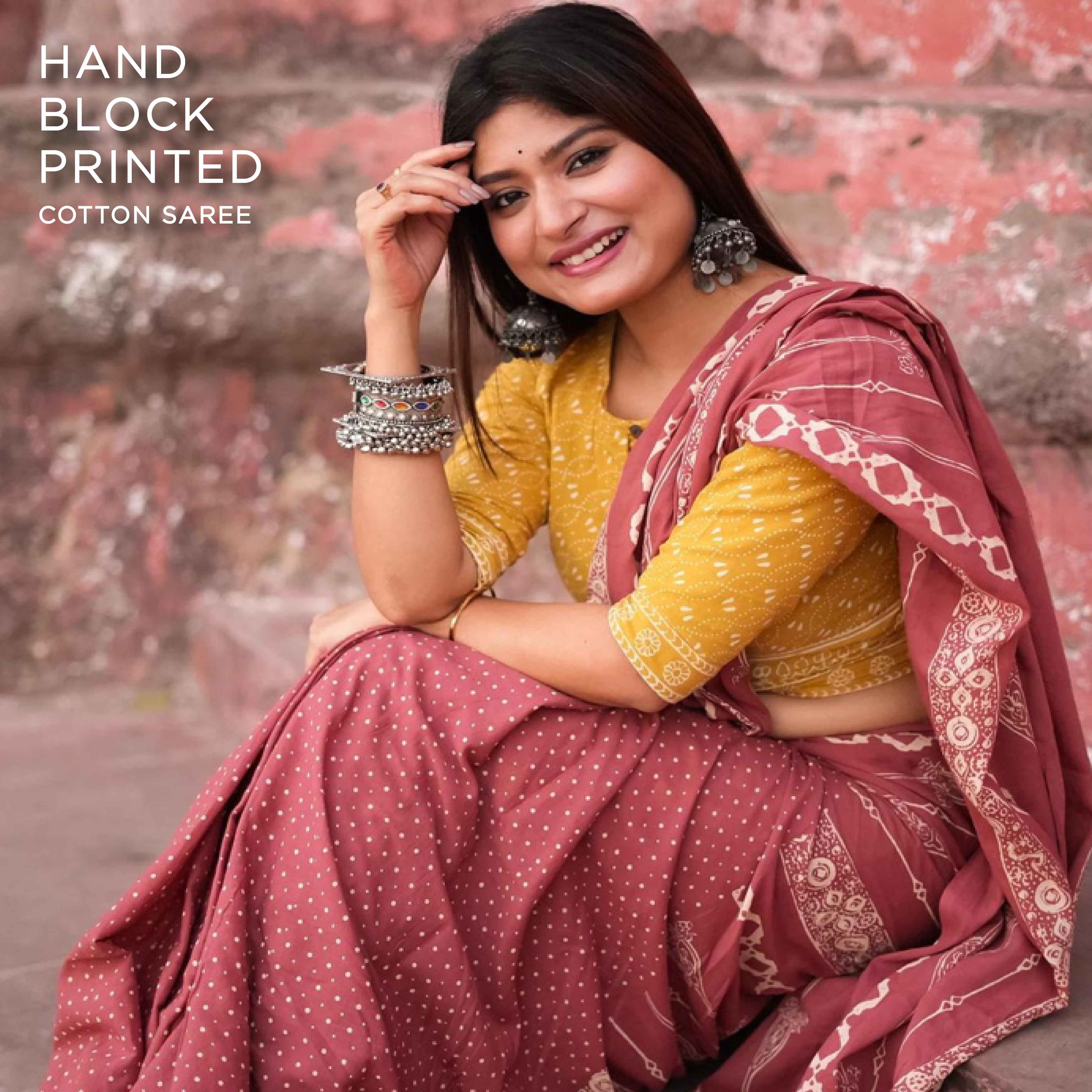
Cotton sarees, kurtas, dresses, and co-ord sets are perfect daily wear options in humid climates.

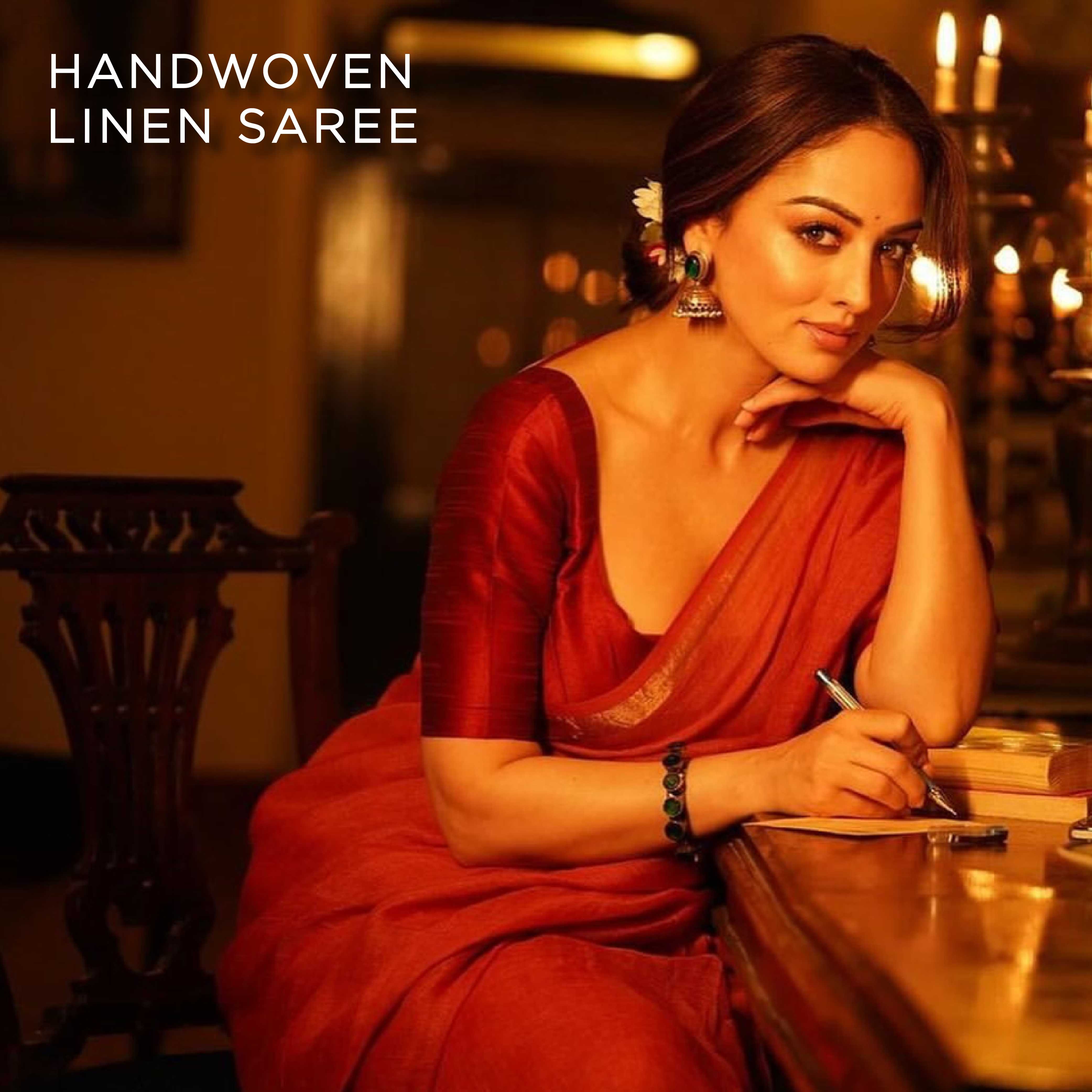
2. Linen – Stylish but Slightly High Maintenance
Linen is another natural fabric made from flax fibers.
Benefits:
-
Extremely breathable
-
Absorbs moisture well
-
Feels cool to touch
Drawback:
-
Wrinkles very easily
-
Can feel slightly stiff compared to cotton
-
Often more expensive
Linen works beautifully for office wear and semi-formal outfits but needs proper care.
3. Rayon – Budget-Friendly but Not Always Ideal
Rayon is a semi-synthetic fabric made from natural cellulose.
Pros:
-
Soft and flowy
-
Lightweight
-
Affordable
Cons:
-
Absorbs sweat but dries slowly
-
Can feel sticky in extreme humidity
-
Quality varies widely
Rayon works for short outings but may not be ideal for all-day humid exposure.
4. Polyester – Not Recommended for High Humidity
Polyester is a synthetic fabric widely used because it is durable and affordable.
Why It’s Not Ideal:
-
Poor breathability
-
Traps sweat
-
Causes skin irritation
-
Increases body odor
In humid climates, polyester can feel uncomfortable and suffocating.

Frequently Asked Questions (Q&A)
Q1. Is cotton better than linen in humid weather?
Yes, cotton is generally more versatile and softer. Linen is highly breathable but wrinkles easily and can feel stiff. Cotton offers better daily comfort.
Q2. Which cotton is best for extreme humidity?
Mulmul cotton and handwoven pure cotton are excellent choices. They are lightweight and allow maximum airflow.
Q3. Does cotton shrink in humid weather?
Cotton may shrink slightly after washing if not pre-shrunk. Always follow washing instructions to maintain size and quality.
Q4. Can synthetic fabrics cause rashes in humidity?
Yes. Fabrics like polyester trap sweat and heat, which can lead to rashes, irritation, and fungal infections in humid climates.
Q5. Is rayon a good alternative to cotton?
Rayon can be comfortable for short durations, but it may feel sticky during prolonged humidity exposure. Cotton remains more reliable.
Q6. Why do cotton clothes feel cooler?
Cotton allows air circulation and absorbs sweat, helping natural evaporation cool your body.
Q7. What colors are best for humid weather?
Light shades like white, beige, pastel blue, soft pink, and light yellow reflect heat and feel cooler.
